Did you know that organic food sales skyrocketed to $56 billion in 2020, marking a 13% increase from the previous year? This surge reflects a growing awareness of how our food choices impact our health and the planet. More people are turning to organic options to align with their wellness goals and reduce exposure to harmful chemicals.
Choosing organic isn’t just a trend—it’s a lifestyle shift. The USDA requires that products labeled as organic contain at least 95% organic ingredients, ensuring higher quality and fewer synthetic additives. But what does this mean for your diet? Are organic foods truly more nutritious? And how do they contribute to a healthier you?
At Fit n Fab Shop, we’re committed to helping you make informed choices. Our curated selection of organic supplements and herbal remedies supports your journey toward holistic wellness. Stay tuned as we explore the environmental and health advantages of organic eating in the sections ahead.
Key Takeaways
- Organic food sales hit $56 billion in 2020, showing a 13% year-over-year growth.
- USDA organic certification ensures products are made with at least 95% organic ingredients.
- Organic choices align with holistic wellness and reduce exposure to harmful chemicals.
- Fit n Fab Shop offers vetted organic supplements to support your health goals.
- Explore the nutritional and environmental advantages of organic eating in upcoming sections.
What Does Organic Eating Really Mean?
The term ‘organic’ is more than just a label—it’s a commitment to quality. It represents a way of growing and producing food that prioritizes natural processes and avoids harmful chemicals. But what exactly goes into making a product organic? Let’s break it down.
Understanding Organic Farming Practices
Organic farming relies on natural methods to cultivate crops and raise livestock. Instead of synthetic fertilizers, farmers use compost, manure, and crop rotation to enrich the soil. This approach not only sustains the land but also reduces the risk of chemical residues in your food.
Livestock raised organically are treated with care. They are not given growth hormones or unnecessary antibiotics. Additionally, they have access to outdoor spaces, ensuring they live in healthier, more humane conditions.

Decoding USDA Organic Labels
The USDA has strict standards for organic certification. Products labeled as 100% organic contain no exceptions—every ingredient must be organic. If a product is simply labeled organic, it means at least 95% of its ingredients meet organic standards.
For products with 70% or more organic ingredients, the label will state made with organic ingredients. Specific ingredient listings are used for items with less than 70% organic content. Farms must undergo annual recertification to maintain their organic status.
It’s important to note that natural and organic are not the same. The term natural has no FDA definition, while organic is tightly regulated. For meat, certifications like Animal Welfare Approved or Grassfed can provide additional insights into how the animals were raised.
Small producers with less than $5,000 in sales are exempt from certification but must still follow organic practices. This ensures even smaller farms can contribute to the organic movement. For more details, check out this comprehensive guide from the Mayo Clinic.
The Benefits of Organic Eating for Your Health
Your body thrives when you fuel it with nutrient-rich, chemical-free foods. Studies show that organic produce contains 69% more antioxidants than conventional options. These compounds help combat oxidative stress, supporting your overall well-being.

Natural pest resistance in organic farming boosts plant antioxidants. This means you get more vitamins like C and E, along with essential minerals such as iron. These nutrients are vital for energy, immunity, and cellular repair.
Organic grains have 48% lower cadmium levels, a toxic metal linked to cancer risks. Additionally, organic crops contain 30% less nitrate, which can convert to harmful compounds in the body. Choosing organic reduces your exposure to these risks.
Organic dairy and meat are also richer in omega-3 fatty acids. These healthy fats support heart health, brain function, and inflammation control. By opting for organic, you’re not just eating better—you’re investing in long-term health.
For those concerned about pesticide residues, organic options offer peace of mind. The Environmental Working Group’s Dirty Dozen and Clean Fifteen lists can guide your choices, helping you prioritize produce with the highest chemical exposure.
Organic vs. Conventional Foods: What’s the Difference?
When comparing organic and conventional foods, the differences go beyond just taste. The way they are grown, processed, and their impact on your health can vary significantly. Let’s dive into the key distinctions.
Nutritional Comparisons
Studies show that organic foods often have higher levels of certain nutrients. For example, organic berries contain 20% more vitamin C than their conventionally grown counterparts. Antioxidants, which help protect your cells, are also more abundant in organic produce.

However, results can vary due to factors like soil quality and farming practices. While some studies highlight nutrient superiority, others find minimal differences. Here’s a quick comparison of antioxidant density in common crops:
| Crop | Organic Antioxidants | Conventional Antioxidants |
|---|---|---|
| Blueberries | High | Moderate |
| Spinach | High | Low |
| Tomatoes | Moderate | Low |

Pesticide Residues and Their Impact
One of the most significant differences is the presence of pesticide residues. Conventional produce is 4x more likely to contain traces of these chemicals. Even small amounts can add up over time, increasing your exposure to potential toxins.
Research consistently shows that organic foods have lower levels of harmful substances like cadmium and nitrates. This reduction can contribute to better long-term health outcomes. For non-organic produce, washing and peeling can help minimize residue levels.
Here are some practical tips for handling conventionally grown fruits and vegetables:
- Wash produce thoroughly under running water.
- Use a brush for firmer items like apples or potatoes.
- Peel the outer layer of fruits and vegetables when possible.
How Organic Farming Supports the Environment
Organic farming isn’t just about food—it’s a way to heal the planet. By avoiding synthetic chemicals and prioritizing natural processes, it creates a positive ripple effect on ecosystems. Let’s explore how this sustainable approach benefits the environment.
Reducing Pollution and Conserving Water
One of the biggest advantages of organic farming is its ability to reduce pollution. Synthetic fertilizers and pesticides often run off into waterways, harming aquatic life. Organic practices, like crop rotation and composting, minimize this risk by keeping chemicals out of the equation.
Healthy soil is another key benefit. Organic farms average 8 inches more topsoil than conventional ones. This richer soil retains water better, making it more drought-resistant. Efficient water conservation ensures crops thrive even in dry conditions, reducing the need for irrigation.
The Role of Organic Farming in Carbon Sequestration
Organic farming also plays a critical role in combating climate change. Healthy soil acts as a carbon sink, storing carbon dioxide instead of releasing it into the atmosphere. According to the Rodale Institute, organic farming has the potential to store 1.85 gigatons of carbon annually.
Here’s a quick breakdown of its impact:
- 10,000 medium-sized organic farms can remove the equivalent of 1.17 million cars from the roads.
- Natural pest management reduces ecosystem disruption, promoting biodiversity.
- Local CSAs (Community Supported Agriculture) cut down on transport emissions, further reducing the carbon footprint.
By choosing organic, you’re not just nourishing your body—you’re supporting a healthier planet. Explore sustainable products that align with your values and contribute to a greener future.
Practical Tips for Incorporating Organic Foods into Your Diet
Making the switch to organic foods doesn’t have to be overwhelming or expensive. With a few smart strategies, you can reduce your exposure to harmful chemicals and enjoy the perks of organic produce without breaking the bank.
Prioritizing Produce with High Pesticide Levels
Not all fruits vegetables are created equal when it comes to pesticide residues. Strawberries and spinach, for example, top the Environmental Working Group’s Dirty Dozen list. Prioritizing these items in their organic form can significantly reduce your exposure to harmful chemicals.
On the flip side, avocados and sweet corn are among the Clean Fifteen, meaning they have lower pesticide levels. If you’re on a tight budget, focus on buying organic for the Dirty Dozen and stick to conventional options for the cleaner produce.
Budget-Friendly Ways to Eat Organic
Eating organic doesn’t have to strain your wallet. Frozen organic options are a great way to save money while still enjoying nutrient-rich organic produce. They’re often just as healthy as fresh and have a longer shelf life.
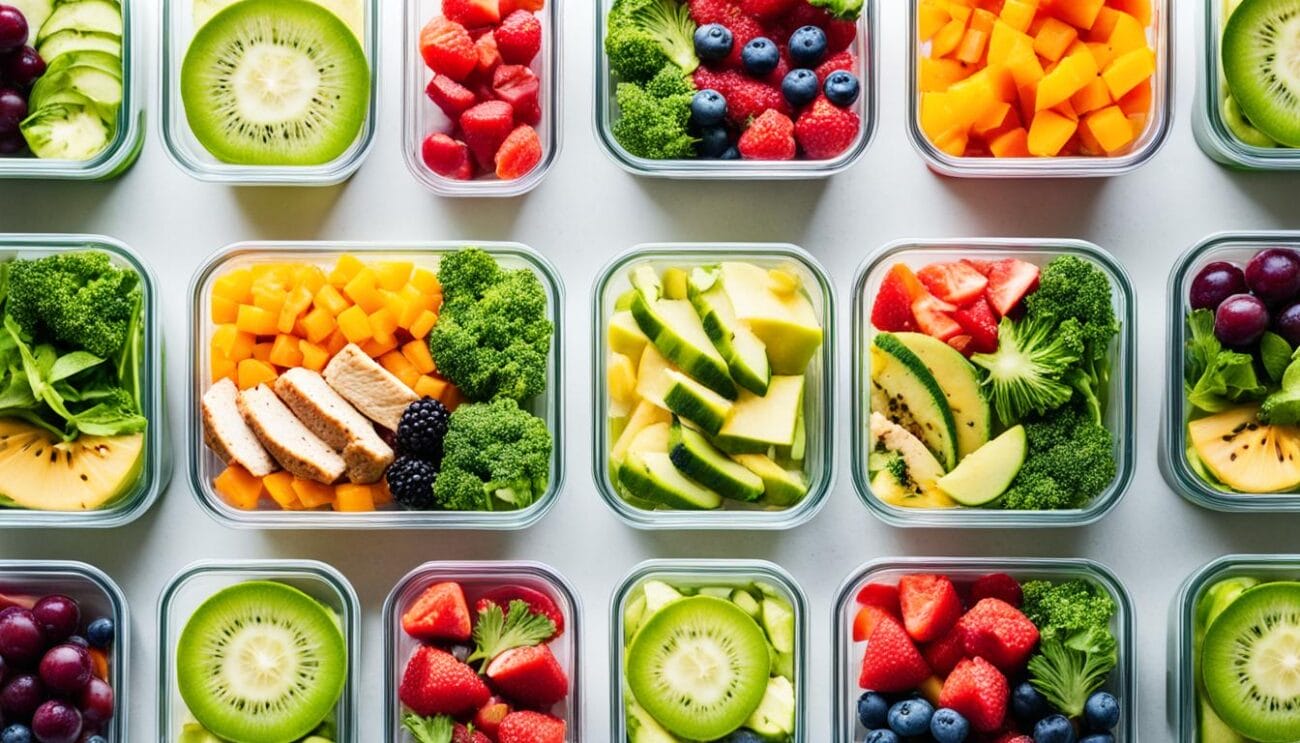
Meal prepping is another smart strategy. Plan your meals around seasonal organic items to reduce waste and save money. For example, Fit n Fab’s organic protein powders are an affordable staple that can be incorporated into smoothies or baked goods.
Consider using Amazon’s Subscribe & Save for recurring orders of organic pantry staples. This not only ensures you never run out but also offers discounts for regular purchases.
“Small changes in your shopping habits can make a big difference in your diet and overall health.”
For more tips on prioritizing a healthy diet, check out this comprehensive guide.
Conclusion: Embrace the Power of Organic Eating
Choosing organic foods is more than a trend—it’s a step toward better health and a healthier planet. By prioritizing natural farming practices, you reduce exposure to harmful chemicals and support sustainable agriculture. This simple shift in your diet can lead to long-term wellness and environmental benefits.
We understand that budget constraints can be a concern. Start small by focusing on high-priority items like the Dirty Dozen and gradually expand your organic choices. Think of it as a self-care ritual that nourishes both you and the Earth.
Ready to make the switch? Explore Fit n Fab Shop’s curated organic wellness bundles. From supplements to pantry staples, we’ve got you covered. Shop our organic essentials today and take the first step toward a healthier lifestyle!
FAQ
What does "organic" mean when it comes to food?
Organic refers to how farmers grow and process fruits, vegetables, grains, dairy, and meat. It avoids synthetic pesticides, genetically modified organisms (GMOs), and artificial additives. Instead, it focuses on natural methods like crop rotation and composting.
Are organic foods more nutritious than conventional ones?
Studies show that organically grown produce often contains higher levels of certain vitamins, minerals, and antioxidants. While the differences may vary, many people choose organic for its potential health advantages.
How does organic farming help the environment?
Organic farming reduces pollution, conserves water, and promotes healthier soil. It also plays a role in carbon sequestration, helping combat climate change by storing carbon in the ground.
Is it worth buying organic if I’m on a budget?
Yes! Start by prioritizing items like strawberries, spinach, and apples, which tend to have higher pesticide residues. You can also look for sales, buy in bulk, or shop at local farmers’ markets for affordable options.
What’s the difference between organic and conventional meat?
Organic meat comes from animals raised without antibiotics or synthetic hormones. They’re also fed organic feed and have access to outdoor spaces, which can lead to higher quality and more ethical products.
How can I identify organic products at the store?
Look for the USDA Organic seal on packaging. This label ensures the product meets strict standards for organic farming and processing. You can also check ingredient lists for natural, non-GMO components.