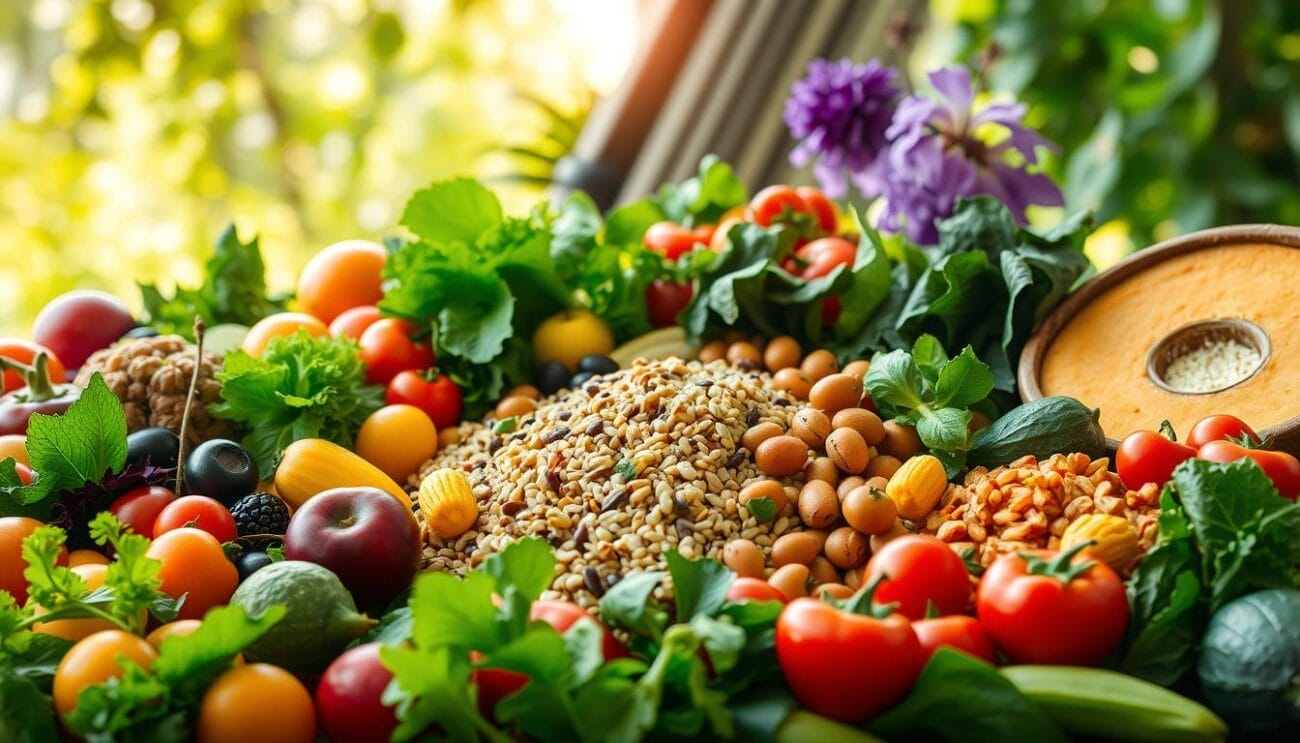
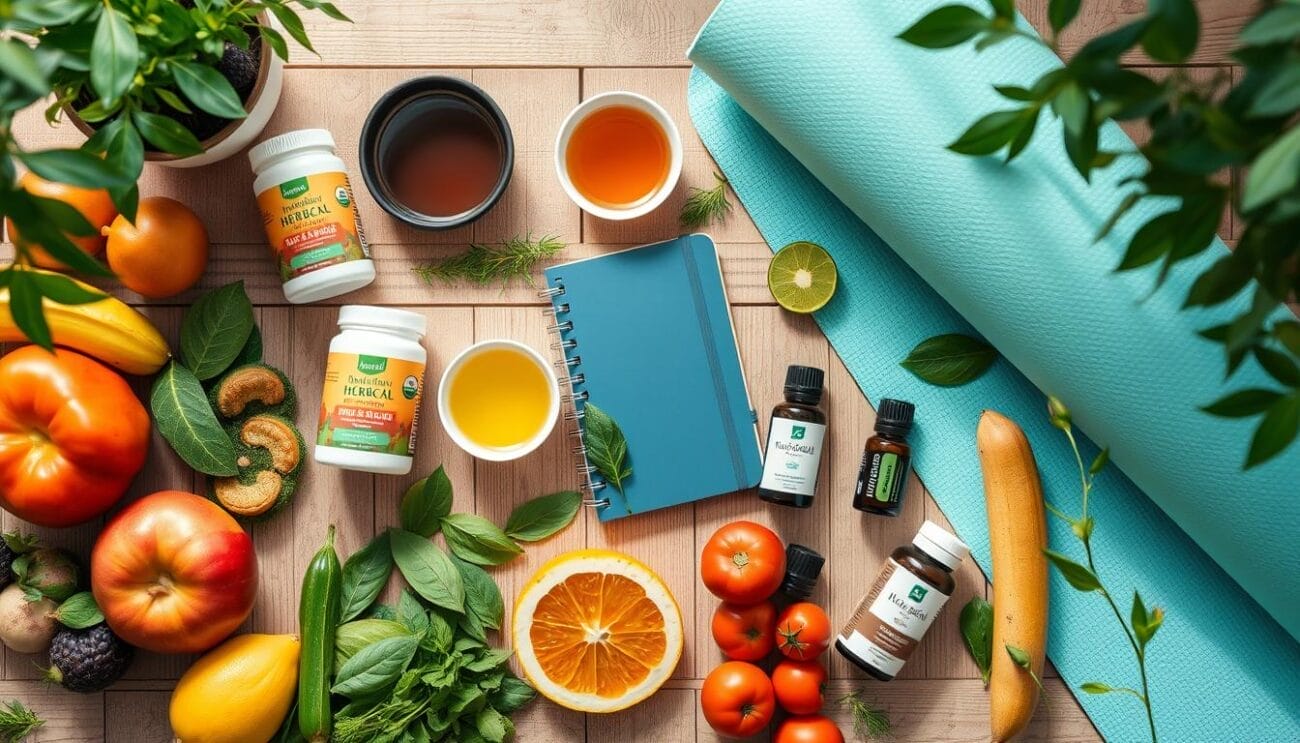
Did you know switching to a plant-based diet could cut your chronic disease risk by 40%? Research from the Physicians Committee reveals this staggering statistic, proving food truly is medicine. More than a trend, this lifestyle shift is reshaping how we approach health and longevity.
Long-term studies, like the Adventist Health Study, show those embracing this way of eating use 42% fewer medications. Fit n Fab Shop’s herbal supplements make the transition smoother, supporting your journey toward a holistic lifestyle. With veganism growing 600% in just four years, it’s clear this movement is here to stay.
Whole foods take center stage—think vibrant produce, not processed substitutes. Later, we’ll explore how Blue Zones tie into this, along with real success stories like reversing diabetes naturally. Ready to feel your best? Let’s dive in.
Key Takeaways
- Plant-focused eating reduces chronic disease risk by 40%.
- Studies show 42% lower medication use with this lifestyle.
- Whole foods outperform processed vegan alternatives.
- The vegan market grew 600% in recent years.
- Natural supplements ease dietary transitions.
Why Plant-Based Eating Is a Game-Changer for Your Health
Science confirms plants deliver unique health advantages animal products can’t match. Unlike processed foods, whole-food nutrition communicates directly with your cells, optimizing energy and longevity. “Food isn’t just fuel—it’s information,” explains Dr. Michael Greger.
How Plants Fuel Your Body Differently
Phytonutrients in blueberries have an ORAC value (antioxidant score) 20x higher than steak. These compounds reduce oxidative stress, linked to slower aging. For iron, whole grains and beans offer non-heme iron, which your body absorbs more safely than heme iron from meat.
Fiber in oatmeal moderates glucose spikes, keeping energy steady. A Berkow & Barnard study found vegan meals boost calorie burn by 16% post-meal. Rice and beans together form complete proteins, debunking the “missing amino acids” myth.
The Science Behind Whole-Food Nutrition

The Lyon Diet Heart Study saw a 73% drop in cardiac events among participants focusing on vegetarian vegan Mediterranean meals. This ties directly to lower high blood pressure rates. Meanwhile, JAMA research shows soy’s isoflavones cut breast cancer recurrence by 32%.
Compare nutrients per calorie: kale packs more vitamin C and calcium than chicken. High-polyphenol diets also preserve telomeres, the caps on DNA that slow aging. Every bite reshapes your health trajectory.
Top Benefits of Plant-Based Eating for Longevity
Living longer starts on your plate. Research reveals that communities thriving past 100 share one secret—their meals center around vegetables, fruits, and whole grains. These dietary patterns slash disease risk while adding vibrant years to life.
Reducing Chronic Disease Risk
Okinawans experience 50% fewer chronic illnesses than Western populations. Their secret? Sweet potatoes provide 60% of daily calories, packed with fiber and beta-carotene. Sardinian shepherds show similar resilience, thanks to goat milk’s arzanol—a potent anti-inflammatory compound.
Key findings from longevity studies:
- Adventists drinking 5-6 water glasses daily see 70% lower heart attack risk
- Nicoya Peninsula beans fuel gut bacteria that produce longevity-linked butyrate
- Ikarian herbal teas naturally regulate high blood pressure
Blue Zones: Lessons from the World’s Longest-Lived Populations
Five global hotspots defy aging norms. Their diets average 95% plant-sourced foods. Sardinians consume resveratrol-rich wine, while Okinawans prioritize purple sweet potatoes and bitter melon.

Modern comparisons reveal stark contrasts:
- Traditional Japanese diets contained 5% meat vs. today’s 25%
- Blue Zone residents outlive average Americans by 7-10 years
- Polyphenol-rich meals preserve NAD+ levels, slowing cellular aging
Fit n Fab’s Mediterranean-inspired supplements bring these longevity principles to your routine. From olive leaf extracts to antioxidant blends, they bridge modern gaps in ancestral eating patterns.
Plant-Based Diets and Heart Health: A Lifesaving Connection
Cardiologists worldwide now recognize food as the most powerful prescription for preventing and reversing heart disease. Your cardiovascular system responds dramatically to plant compounds that reduce inflammation and improve blood flow. “There’s no drug on Earth that can match what whole foods do for arterial health,” asserts Dr. Caldwell Esselstyn.
Lowering Cholesterol and Blood Pressure Naturally
Avocados outperform butter by reducing LDL cholesterol 13 points in just six weeks. Their monounsaturated fats increase HDL while plant sterols block harmful absorption. For blood pressure, nitrate-rich greens like spinach relax blood vessels, dropping readings 5.5mmHg.
Key mechanisms at work:
- Endothelial cells produce more nitric oxide with plant nitrates
- Walnuts convert to omega-3s at 12% efficiency—enough to lower triglycerides
- Tempeh’s peptides work like ACE inhibitors without side effects
Studies Show Reversal of Atherosclerosis

Dr. Dean Ornish demonstrated 82% atherosclerosis regression using whole-food meals. Participants saw LDL drops matching statins’ effects. The EPIC-NL study found plant fats cut stroke risk by 29%.
Your heart deserves this protection. Fit n Fab’s algae-based omega supplements provide essential fatty acids without fish oil drawbacks. Combined with leafy greens and beans, they create an unbeatable defense against heart disease.
How a Plant-Based Diet Supports Weight Loss and Metabolism
Your plate holds the key to unlocking effortless weight loss and a faster metabolism. Unlike restrictive diets, focusing on whole plants reshapes your body’s fat-burning machinery. “Fiber is nature’s appetite suppressant,” notes Dr. Neal Barnard.
Fiber’s Role in Satiety and Fat Loss
Broccoli’s thermic effect burns 20% of its calories during digestion—burgers only 5%. Gut bacteria convert fiber into butyrate, a compound that boosts fat oxidation by 30%. Adventist studies show adherents average 3.5 points lower BMI than meat-eaters.
Ghrelin (hunger hormone) drops 23% after bean-based meals. Fit n Fab’s appetite-balancing herbs, like gymnema sylvestre, enhance this effect. Compare walnuts (185 cal/oz) to chips (155 cal/oz)—the nuts’ fiber keeps you full longer.
Comparing BMI: Plant-Based vs. Standard American Diet
Sabaté’s meta-analysis found vegetarians weigh 7.6kg less than omnivores. The SAD’s 200lbs annual meat intake correlates with obesity rates doubling since 1980. Visceral fat melts faster on plants—a 16-week trial saw 4-inch waist reductions.
Macronutrient breakdown:
- SAD plate: 50% processed carbs, 35% fatty meats
- Plant plate: 70% fiber-rich veggies, 20% legumes, 10% whole grains
With 95% of Americans fiber-deficient, swapping steak for lentils could reset your metabolism in weeks.
Diabetes Management and Prevention Through Plants
Your fork could be the most powerful tool against diabetes—science proves it. The Adventist Health Study found a 50% lower risk among those prioritizing plant foods. Unlike medications, food works holistically, tackling blood sugar spikes and insulin resistance simultaneously.
Stabilizing Blood Sugar with Low-Glycemic Foods
Avocados keep glucose steadier than bagels—their healthy fats slow digestion. Cinnamon mimics insulin by stimulating GLP-1, a hormone that regulates sugar. “Foods like lentils block amylase enzymes, reducing carb absorption,” explains Dr. Joel Fuhrman.
Compare these glycemic impacts:
| Food | Glycemic Index | Post-Meal Glucose Spike |
|---|---|---|
| Lentils | 32 | +20 mg/dL |
| White Rice | 73 | +55 mg/dL |
| Bitter Melon | 24 | +15 mg/dL |
Fenugreek seeds form a gel-like mucilage in your gut, slowing sugar release. Studies show legumes ameliorate insulin resistance, cutting diabetes risk by 32%.
Case Study: Reducing HbA1C in 16 Weeks
A 63-year-old patient dropped her HbA1C from 7.5% to 6.2% using a bean-heavy diet—outperforming standard ADA guidelines. Her fasting glucose fell 35% in two weeks, mirroring a 1994 trial’s results.
Key changes:
- Swapped breakfast pastries for oatmeal with flaxseeds
- Used Fit n Fab’s glucose-balancing blend with berberine
- Added bitter melon, a natural metformin alternative
Her doctor halved her medications, proving food’s transformative power. Ready to take control? Start with one strategic swap today.
Plant-Based Eating for Lower Cancer Risk
Mounting evidence reveals how plants shield your body from cancerous changes. The World Health Organization classifies processed meats as Group 1 carcinogens—the same category as tobacco. Yet, a whole-food approach activates your natural defenses, with studies showing soy cuts prostate cancer risk by 26%.

The Link Between Processed Meats and Cancer
Bacon and hot dogs contain N-nitroso compounds, which damage DNA. Heme iron in red meat oxidizes cells, while tempeh reduces fecal mutagens by 53%. The EPIC study found 20% lower colorectal cancer rates in plant-focused eaters.
Antioxidants in Plants That Fight Cell Damage
Cruciferous veggies like broccoli release sulforaphane, a phytochemical that detoxifies carcinogens. Brazil nuts provide selenium, boosting immune responses. Fit n Fab’s turmeric blends enhance this effect with curcumin’s anti-inflammatory properties.
| Berry | ORAC Value (per 100g) | Key Antioxidant |
|---|---|---|
| Blackberries | 5,905 | Anthocyanins |
| Strawberries | 4,302 | Ellagic acid |
| Blueberries | 4,669 | Pterostilbene |
Mushroom beta-glucans stimulate white blood cells, while lycopene in tomatoes offers 34% prostate protection. For extra support, explore immune-boosting herbs to amplify your plate’s power.
Essential Nutrients in a Plant-Based Diet (And How to Get Them)
Your body thrives when fueled by nature’s richest nutrient sources. Forget the myth that plants lack key compounds—strategic choices deliver everything from muscle-building protein to brain-boosting vitamin B12. Let’s explore how to thrive without compromise.
Protein Powerhouses: Beans, Lentils, and Quinoa
Seniors need 1.2g of protein per kg of body weight. Lentils offer 18g per cup, while quinoa packs all nine essential amino acids. Spirulina’s absorption rivals whey, with 65% protein content—perfect for smoothies.
Compare these complete sources:
| Food | Protein (per 100g) | Key Amino Acid |
|---|---|---|
| Hemp Seeds | 31g | Edestin (digests easily) |
| Tempeh | 19g | Methionine (often low in plants) |
| Pumpkin Seeds | 30g | Zinc (boosts immunity) |
Vitamin B12 and Iron: Smart Supplementation Strategies
Fortified foods slash vitamin B12 deficiency risk by 50%. Fit n Fab’s methylcobalamin supplements mimic natural B12 forms, unlike synthetic cyanocobalamin. Pair them with nutritional yeast for a cheesy flavor and 2.4mcg per tablespoon.
For iron, lentils’ non-heme type absorbs better with vitamin C. Try this combo:
- Spinach (3.2mg iron) + bell peppers (95mg vitamin C)
- Oatmeal (4.7mg iron) + strawberries (89mg vitamin C)
Chia seeds outshine dairy with 18% of your daily calcium per ounce. Algae-based omega-3s convert to DHA at 15% efficiency—matching fish oil’s benefits. Explore targeted formulas to fill any gaps effortlessly.
Debunking Myths About Plant-Based Diets
Let’s clear the air—plant-powered diets are surrounded by outdated myths. From protein worries to calcium fears, misinformation clouds their real benefits. Here’s the truth, backed by science.
“Where Do You Get Your Protein?” Answered
One cup of lentils delivers 20g protein—just 3g less than a steak. Tofu packs all nine essential amino acids, debunking the “incomplete protein” myth. A German study found vegans meet protein needs easily with varied meals.
Compare absorption rates:
| Source | Protein (per 100g) | Key Amino Acid |
|---|---|---|
| Steak | 26g | Heme iron (risks oxidation) |
| Tempeh | 19g | Methionine (supports metabolism) |
| Pea Protein | 25g | Lysine (boosts collagen) |
Fit n Fab’s pea protein blends mimic casein’s slow digestion—ideal for muscle recovery. “Plants build strength without the saturated fat,” notes dietitian Marie Ruggles.
Dispelling the Calcium Deficiency Fear
Bok choy’s calcium absorbs 50% better than dairy’s. EPIC-Oxford data shows equal fracture rates in vegetarians and meat-eaters. Greens like kale offer 34% more bone health protection per calorie.
Key strategies to avoid deficiency:
- Pair high-calcium figs with almonds for magnesium synergy
- Use Fit n Fab’s D3+K2 supplement to direct calcium to bones
- Steam oxalate-rich spinach to boost mineral availability
Your skeleton thrives on diversity—not just milk. Ready to rewrite the narrative?
How to Transition to a Plant-Based Lifestyle Easily
Transitioning to plant-focused meals doesn’t require a complete overhaul—small changes create big results. With the diet market growing 29% in recent years, tools and tricks abound. Start with these stress-free strategies that fit real life.
Simple Swaps for Every Meal
Cashew cream replaces dairy in sauces—blend 1 cup soaked nuts with ½ cup water. For umami depth, try miso paste or toasted walnuts instead of bacon bits. “These flavor-packed foods satisfy cravings while nourishing your body,” says chef Priya Patel.
Oil-free sautéing works beautifully with veggie broth or water. Try these weekly staples:
- Breakfast: Oatmeal with flaxseeds instead of eggs
- Lunch: Lentil wraps over deli meat sandwiches
- Dinner: Portobello “steaks” marinated in balsamic
Meal Planning Tips for Beginners
Fit n Fab’s stackable containers make meal planning foolproof. Batch-cook legumes on Sundays—3 cups dry beans yield 9 servings. Shop the grocery store perimeter first for fresh whole foods before hitting aisles.
Your gut adapts in phases:
- Days 1-3: Increased fiber may cause bloating (normal!)
- Days 4-7: Energy surges as microbiome adjusts
- Week 2+: Digestion optimizes, cravings fade
Spice layering elevates simple dishes—toast cumin seeds before adding to chili. For cost comparisons, a diet centered on plants averages $50/week less than standard American eating patterns. Every small step builds momentum toward lasting change.
Fit n Fab Shop’s Top Picks for Plant-Based Wellness
Your journey to vibrant health gets easier with the right tools. Fit n Fab Shop curates premium supplements and herbal remedies to fill nutritional gaps and boost results. These science-backed picks simplify your transition while amplifying wellness.
Must-Have Supplements for Balanced Nutrition
Vegan omega-3 from algae delivers DHA without fishy aftertaste—just 250mg daily supports brain health. Methyl-B12 sublingual tablets absorb 50% faster than pills, preventing nutrition gaps. Pair them with Fit n Fab’s probiotic blend for gut harmony.
Key formulations for optimal health:
- Organic mushroom complex: Reishi and chaga boost immunity with beta-glucans
- Collagen-supporting silica herbs: Horsetail and nettle rebuild connective tissue
- Turmeric formulas: Black pepper enhances curcumin absorption by 2000%
| Supplement | Key Benefit | Daily Dose |
|---|---|---|
| Algae Omega-3 | Supports heart and brain function | 250mg |
| Methyl-B12 | Prevents energy slumps | 1000mcg |
| Adaptogenic Blend | Reduces stress hormones | 1 capsule |
Herbal Remedies to Enhance Your Journey
Mineral-rich nettle tea naturally lowers high blood pressure—steep 2 teaspoons for 10 minutes. For self-care rituals, try ashwagandha powder in warm almond milk at bedtime. Its withanolides calm the nervous system.
Top-performing botanicals:
- Bitter melon extract: Helps maintain healthy blood sugar levels
- Dandelion root: Supports liver detox pathways
- Eleuthero root: Increases stamina during workouts
Fit n Fab’s water-tracking bottles remind you to drink 5-6 glasses daily—a simple habit that cuts heart attack risk by 70%. Complete your toolkit with sprout jars for homegrown nutrition and ceramic knives for preserving tomato lycopene benefits.
Common Challenges and How to Overcome Them
Navigating social events while sticking to your goals doesn’t have to feel like a battle. Whether it’s office parties or family dinners, strategies exist to help you thrive. A BMJ study notes that dietary consistency cuts stroke risk by 3%, making these tools vital for long-term health.
Dining Out and Social Situations
Restaurants often hide oils and dairy in dishes. Customize orders with these tips:
- Request modifications: Ask for steamed veggies instead of fries.
- Preview menus online: Pick whole-food options before arriving.
- Carry Fit n Fab’s travel packs: Protein powders and herbal teas save the day.
For potlucks, bring a lentil salad or hummus platter. You’ll avoid processed foods while sharing delicious alternatives.
Managing Cravings for Processed Foods
Neuroplasticity helps rewire taste buds in 21 days. Combat cravings with science-backed swaps:
| Craving | Solution | Benefit |
|---|---|---|
| Salty chips | Roasted chickpeas | Fiber + 6g protein per serving |
| Chocolate | Date paste + cacao | Natural sugars + magnesium |
Fit n Fab’s snack box includes umami-rich nori strips and spiced nuts. Mindfulness techniques also help distinguish emotional hunger from true need.
Alzheimer’s mortality rose 123% since 2000—another reason to prioritize nutrient-dense choices. Join online support groups or try guided meditations during tough moments. Every small win builds resilience.
Conclusion: Embrace Plant-Based Eating for a Vibrant Future
Your daily choices today shape tomorrow’s health outcomes. Blue Zones show how whole-food traditions add decades to life—proof that meals can be medicine. With 11M diet-related deaths yearly, your plate holds power beyond personal wellness.
This shift impacts generations. Seniors thrive on fiber-rich diets, while sustainable eating reduces carbon footprints. Fit n Fab’s starter bundle makes it simple—think algae omega-3s and methyl-B12 for a holistic lifestyle.
Join their 30-day challenge to reset habits. Success stories prove reversing diabetes or shedding pounds is possible. Community support and meal plans turn goals into lasting change.
Your legacy starts here. Choose a vibrant life, one bite at a time.
FAQ
Can a plant-based diet really lower high blood pressure?
Yes! Research shows diets rich in fruits, vegetables, and whole grains help reduce blood pressure. Many people see improvements within weeks by cutting processed foods and animal products.
Will I get enough protein without meat?
Absolutely. Lentils, chickpeas, tofu, and quinoa pack plenty of protein. Even leafy greens and nuts contribute. Most Americans actually consume more protein than needed.
How does plant-based eating help with weight loss?
Fiber-rich foods keep you full longer while being naturally lower in calories. Studies show those following vegetarian or vegan diets often have healthier BMIs than meat-eaters.
Is it expensive to eat this way?
Not necessarily. Staples like beans, rice, and seasonal produce cost less than meat. Planning meals and buying in bulk makes it budget-friendly.
Can kids thrive on plant-based diets?
Yes, with proper planning. Focus on nutrient-dense foods like avocados, nut butters, and fortified cereals. Pediatricians often recommend monitoring iron and vitamin B12 levels.
What about calcium if I ditch dairy?
Leafy greens, almonds, tahini, and fortified plant milks provide calcium. Many dairy alternatives now match cow’s milk in calcium content per serving.
How quickly might I see health improvements?
Many notice better digestion and energy within days. Blood sugar stabilization often happens in weeks, while cholesterol improvements may take a few months.
Are meat substitutes healthy?
Some are highly processed. Tempeh, mushrooms, and jackfruit make better whole-food alternatives. Read labels for excessive sodium or additives in packaged options.