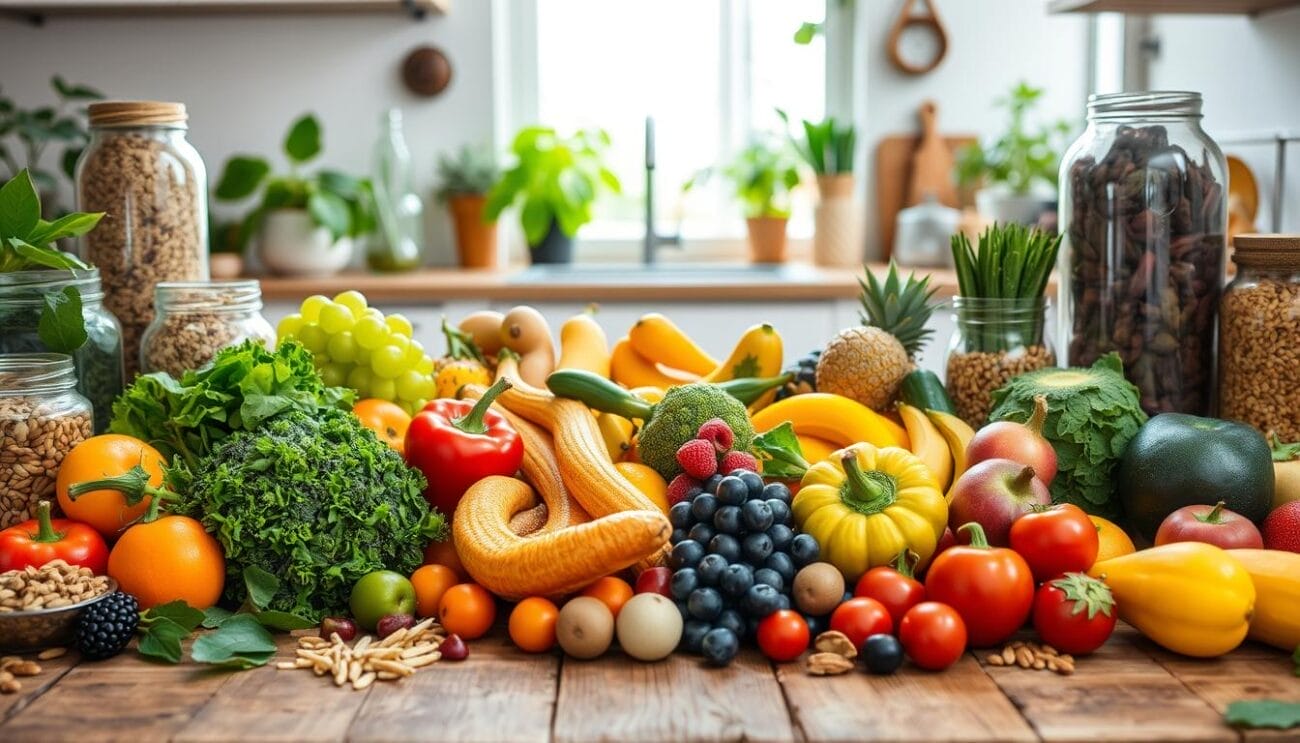
Did you know that over 60% of Americans now prioritize wholesome, nutrient-rich meals to boost their well-being? Choosing high-quality ingredients can transform not just your plate but your entire holistic lifestyle. It’s about fueling your body with what truly nourishes it.
At Fit n Fab Shop, we believe in pairing smart nutrition with premium supplements for lasting health benefits. Whether you’re detoxing or simply aiming for better energy, the right choices make all the difference. Small, sustainable shifts lead to big results.
Imagine waking up refreshed, with steady energy—no crashes. That’s the power of mindful eating. Our guide blends practical tips with handpicked essentials to support your journey. Let’s make wellness simple, effective, and enjoyable.
Key Takeaways
- Nutrient-rich meals enhance physical and mental vitality.
- Supplements from Fit n Fab Shop amplify your health goals.
- Organic choices pair well with herbal detox programs.
- Small, sustainable changes outperform restrictive diets.
- Your food choices impact both personal and environmental health.
What Are Clean Eating Organic Foods?
Ever wondered what truly sets wholesome meals apart? It’s not just about skipping junk—it’s choosing ingredients that fuel your body and the planet. Let’s break down the essentials.
Defining Clean Eating
Clean eating focuses on minimally processed items with recognizable ingredients. Think fresh apples over apple-flavored snacks. A Rutgers study found organic spinach packs 97% more iron than conventional—proof that quality matters.
Key hallmarks include:
- Whole grains like quinoa or brown rice
- Natural sweeteners (dates, honey) instead of refined sugars
- Proteins from ethical sources (check Monterey Bay Aquarium’s Seafood Watch)
The Role of Organic Foods

Organic farming bans synthetic pesticides and GMOs. Shockingly, 66% of conventional produce carries pesticide residues (EWG data). Choosing organic means fewer chemicals and more nutrients—like cobalt, often missing in commercial veggies.
Myth busted: Clean eating isn’t about perfection. It’s practical. Swap one processed snack for a whole-food alternative today, and you’re already winning.
Why Choose Clean Eating Organic Foods?
Science confirms what your body already knows—quality ingredients matter. From sharper focus to sustained energy, the right choices create ripple effects. Let’s explore the health benefits and planet-friendly perks.
Health Benefits Backed by Science
A JAMA study found a 45% lower mortality risk for those avoiding ultra-processed items. Another breakthrough: organic consumers have 31% fewer diabetes cases (NutriNet-Santé studies).
Here’s how it works:
- Grass-fed beef packs 2–3x more omega-3s than grain-fed—key for heart health.
- Ditching additives like MSG reduces inflammation, per Harvard research.
- Switching to organic slashes annual pesticide intake by up to 90%.
Environmental and Ethical Advantages
Conventional farming uses 3x more pesticides, contaminating water (EPA data). Regenerative farms reverse this—rebuilding soil and ecosystems. Your plate shapes the planet’s future.
| Grass-Fed Beef | Grain-Fed Beef |
|---|---|
| Higher omega-3s (4.3mg/g) | Lower omega-3s (1.3mg/g) |
| Rich in CLA (linked to lower cancer risk) | Minimal CLA |
| Sustainably grazed | Often feedlot-raised |

Pairing mindful meals with premium supplements amplifies results. Small swaps today fuel a brighter tomorrow—for you and the Earth.
How to Start Clean Eating: A Beginner’s Guide
Starting your journey toward better nutrition doesn’t require a complete overhaul—small steps lead to big wins. A 12-week study found that adding whole grains reduces visceral fat, while 35% of Americans’ daily intake comes from ultra-processed items. The key? Progress, not perfection.
Setting Realistic Goals
Instead of drastic changes, focus on sustainable tweaks. Try Meatless Mondays with plant-based proteins or swap one snack for organic nuts. Research shows gradual shifts stick 3x longer than restrictive diet plans.
“Small habits, repeated consistently, create lasting change.”
Gradual Changes for Lasting Habits
Use the 5-ingredient rule: If a packaged item has more than five additives, skip it. Fit n Fab’s meal prep containers simplify portion control, while their monk fruit sweeteners help reduce sugar choices painlessly.
- Join a 30-day veggie challenge with a tracking sheet.
- Detox your pantry by ditching top processed offenders (e.g., sugary cereals).
- Pair changes with herbal teas or supplements for added support.
Remember, the best way forward is one step at a time. Celebrate each win—your body will thank you.
Top Clean Eating Organic Foods to Include

Your plate becomes a powerhouse when filled with the right ingredients. Focus on whole, minimally processed items to maximize vitamins and minimize toxins. Start with these categories to build meals that energize.
Fresh Fruits and Vegetables
Not all produce is equal. The EWG’s Dirty Dozen lists items like strawberries and spinach, which hold 98% more pesticides. Opt for the Clean Fifteen—avocados and sweet corn—when conventional is your only choice.
Compare nutrient density:
- Kale delivers 684% of your daily vitamin K vs. iceberg lettuce’s 20%.
- Berries pack antioxidants linked to brain health.
- Fit n Fab’s organic chia seeds add omega-3s to smoothies or yogurt.
Whole Grains and Legumes
Quinoa stands out as a complete-protein whole grain, ideal for plant-based diets. For legumes, soaking reduces antinutrients—try overnight for lentils. Sprouted grain breads offer easier digestion too.
Explore lesser-known stars:
- Teff: A tiny grain with 5x the iron of wheat.
- Tempeh: Fermented soy with gut-friendly probiotics.
Lean Proteins and Dairy Alternatives
Grass-fed beef provides lean proteins and 50% more omega-3s than grain-fed. For dairy swaps, compare sustainability:
| Almond Milk | Oat Milk |
|---|---|
| Uses 23 gallons water per glass | Uses 1/6th the water |
| Low protein (1g/cup) | Higher fiber (2g/cup) |
Small swaps like these add up to big health wins.
Navigating the Grocery Store for Clean Eating
Grocery shopping can feel overwhelming with endless aisles of packaged goods—here’s how to navigate them wisely. A shocking 81% of items contain added sugars, and the FDA doesn’t regulate the term “natural.” Arm yourself with label-savvy strategies to make every trip count.
Reading Labels Like a Pro
Flip the package and start with the ingredients list—the shorter, the better. Watch for sneaky terms like “evaporated cane juice” (it’s still sugar) or “carrageenan” (a gut-irritating thickener).
“If your great-grandmother wouldn’t recognize it, rethink putting it in your cart.”
Compare these common label claims:
| Term | What It Really Means |
|---|---|
| “Cage-Free” | Hens aren’t in cages but may still be indoors. |
| “Pasture-Raised” | Animals roam outdoors (best choice). |
| “No Added Sugars” | Could still contain natural sugars like dates. |
Avoiding Processed and Refined Foods
Stick to the store’s perimeter for fresh produce, meats, and dairy. Middle aisles hide processed foods with preservatives like BHT or sodium benzoate. Even “veggie chips” often pack more salt than nutrients.
- Rinse canned beans to slash sodium by 40%.
- Choose Fit n Fab’s avocado oil mayo over soybean-oil brands.
- Download apps like Yuka to scan barcodes for additive alerts.
Pair your smarter shopping with premium supplements to fill nutritional gaps. Small shifts in your cart lead to big leaps in vitality.
Clean Eating Organic Foods for Every Meal
Fueling your day with wholesome meals starts with smart choices—morning to night. Whether you’re blending a sunrise smoothie or prepping a freezer stash, each bite should deliver nutrients without compromise. Here’s how to build a vibrant plate around the clock.

Breakfast Ideas to Jumpstart Your Day
Kick off with a pineapple green smoothie: spinach, chia seeds, and Fit n Fab’s collagen peptides pack 12g protein. For savory lovers, skillet eggs with tomatillos deliver 25% of your daily vitamin C.
“Prep overnight oats in mason jars—layer almond butter and hemp seeds for crunch.”
Try these breakfast ideas for variety:
- Apple Donuts: Slice apples, top with almond butter, and sprinkle hemp seeds.
- Sweet potato toast with avocado and pumpkin seeds.
- Fit n Fab’s protein pancakes (made with oat flour and banana).
Lunch and Dinner Recipes Made Simple
Whip up mason jar salads with organic tahini dressing—they stay fresh for days. For dinner, black bean quinoa bowls with roasted veggies offer complete protein.
Compare these easy recipes:
| Meal | Key Nutrients |
|---|---|
| Lentil curry with coconut milk | Iron, fiber, healthy fats |
| Zucchini noodles with pesto | Vitamin A, magnesium |
Healthy Snacks and Desserts Without Guilt
Swap candy bars for energy bites: dates, nuts, and cacao. Fit n Fab’s healthy snacks guide highlights 3 top brands with under 5g sugar per serving.
Indulge smarter:
- Black bean brownies (15g protein per square).
- Avocado chocolate mousse with maple syrup.
- Frozen banana “nice cream” with almond flakes.
Pair your meals with targeted supplements for maximum vitality. Small swaps lead to big wins!
The Truth About Sugar and Additives
Sugar hides in plain sight—even in foods marketed as ‘healthy.’ The average American consumes 17 teaspoons of added sugar daily, often without realizing it. Learning to spot hidden sources empowers you to make smarter choices.
Hidden Sugars to Watch Out For
That “low-fat” yogurt? Some brands pack 25g of sugar per serving—more than a candy bar. Flavored oatmeal and protein bars often follow suit. Always check labels for these aliases:
- Evaporated cane juice
- Brown rice syrup
- Fruit juice concentrate
Artificial colors like Red 40 and Yellow 5 frequently appear alongside these sweeteners. Studies link them to hyperactivity in kids and gut irritation.
Natural Alternatives to Processed Sweeteners
Not all sweeteners spike blood sugar equally. Compare these natural alternatives:
| Sweetener | Glycemic Index | Best Uses |
|---|---|---|
| Dates | 42 | Energy balls, smoothies |
| Coconut sugar | 35 | Baking, coffee |
| Monk fruit | 0 | Diabetic-friendly recipes |
“Stevia reduces glycemic response by 18% compared to regular sugar—a game-changer for metabolic health.”
Try this 3-step diet reset:
- Swap soda for herbal teas (chamomile or hibiscus)
- Make vanilla extract using organic beans and vodka
- Use Fit n Fab’s adaptogen-infused raw cacao powder for guilt-free desserts
Avoid “zero-calorie” artificial sweeteners—they can disrupt gut bacteria and increase cravings. Small swaps lead to lasting sweetness without the crash.
Hydration and Clean Eating
Your body’s hydration levels impact everything from energy to digestion, yet most people overlook this vital need. Shockingly, 75% of Americans are chronically dehydrated, often mistaking thirst for hunger or fatigue. Proper water intake fuels metabolism, flushes toxins, and even sharpens mental clarity.
The Importance of Water
Calculate your daily intake with this simple formula: half your body weight (in pounds) = ounces needed. Add 12oz for every 30 minutes of exercise. For example, a 150lb person needs 75oz baseline—more if they’re active.
Not all hydration is equal. Compare these options:
- Coconut water: Natural electrolytes but high in sugar (10g/cup).
- Electrolyte tablets: Sugar-free, ideal for intense workouts.
- Beware “vitamin waters”—some pack 30g+ sugar, negating benefits.
Healthy Beverage Choices
Herbal teas like hibiscus or ginger boost antioxidant nutrients by 40% without added sweeteners. Fit n Fab’s organic matcha blends offer sustained energy with L-theanine for focus.
“Infuse water with cucumber + mint for a refreshing twist—it’s an easy way to drink more without calories.”
Ditch plastic bottles (BPA risks) for glass or stainless steel. For mineral water, check labels for:
- Low sodium (
- Natural carbonation (avoid “soda water” with additives)
- pH balance (7–8 is ideal)
Pair your healthy beverages with targeted supplements to amplify hydration benefits. Small sips lead to big strides in wellness.
Organic vs. Conventional: Is It Worth the Switch?
Standing in the grocery aisle, you’ve likely faced the dilemma—organic or conventional? The choice impacts not just your health but also your wallet and the environment. Let’s break down the facts to help you decide.
Nutritional Differences
Research shows organic strawberries pack 30% more antioxidants than conventional ones. Soil quality and farming methods play a huge role. For example, organic tomatoes have higher vitamin C levels due to natural soil enrichment.
Key contrasts in nutrient density:
- Spinach: Organic versions contain 97% more iron
- Milk: Grass-fed organic has 50% more omega-3s
- Wheat: Conventional often lacks cobalt, vital for B12 production
“The level of nutrients depends on soil quality and harvest time—not just organic labeling.”
Pesticide Exposure and Health Risks
Glyphosate was found in 93% of conventional wheat samples tested. This herbicide is linked to hormone disruption. Organic farming bans such chemicals, reducing your lifetime exposure by up to 90%.
| Organic | Conventional |
|---|---|
| Avg. pesticide residue: 0-3 types | Avg. pesticide residue: 4-12 types |
| No synthetic growth hormones | Common in dairy/meat production |
| $2.30/lb (avg. premium) | $1.50/lb (standard pricing) |
Smart shopping tips:
- Use the EWG’s Shopper’s Guide to prioritize organic for the Dirty Dozen
- Visit farmers markets for sliding scale pricing
- Wash conventional produce with Fit n Fab’s veggie wash to reduce residues
While all food must meet safety standards, organic options minimize risks. Your health investment today pays dividends tomorrow.
Overcoming Common Clean Eating Challenges
Switching to nutrient-rich meals shouldn’t feel like climbing a mountain. With smart strategies, you can tackle budget constraints and time crumbles effortlessly. Let’s turn hurdles into stepping stones.
Smart Shopping for Nutrient-Dense Meals
Frozen veggies cost 40% less than fresh but pack equal nutrients. Stock up during sales—research shows bulk buying slashes annual grocery bills by $1,200. Prioritize these wallet-friendly staples:
- Beans: $0.15 per serving (protein + fiber)
- Rolled oats: $0.10 per meal (versatile base)
- Sweet potatoes: $0.50 each (vitamin A powerhouse)
“Shop bulk bins for spices—you’ll save 80% versus pre-packaged jars.”
Streamlined Cooking for Busy Lives
Batch cooking saves 5 hours weekly—roast two sheet pans of veggies while quinoa simmers. Try these time-saving hacks:
| Strategy | Time Saved |
|---|---|
| Mason jar salads (5 prepped) | 25 minutes/day |
| Freezer smoothie packs | 7 minutes/blend |
| Fit n Fab’s silicone bags | No dishwashing |
Three-ingredient sauces transform basics:
- Tahini + lemon + garlic (drizzle over bowls)
- Avocado + lime + cilantro (spread for wraps)
- Almond butter + tamari + ginger (stir-fry glaze)
Pair your meal prep with targeted supplements to maximize efficiency. Small tweaks yield big wins!
Clean Eating for Long-Term Wellness
Making mindful choices today sets the foundation for a lifetime of vitality. Studies show 68% of diets fail due to extreme restrictions—proving balance beats perfection every time. Your journey isn’t about rigid rules but creating a sustainable routine that fits your life.
Building Habits That Last
The 80/20 rule keeps you on track without burnout. Enjoy wholesome meals 80% of the time, leaving room for occasional treats. This flexible approach reduces binge episodes by 50%, according to mindful eating research.
Try these simple strategies:
- Sync meals with nature’s calendar—berries in summer, squash in fall
- Practice circadian rhythm fasting: 12-hour overnight breaks
- Use Fit n Fab’s adaptogen blends to manage stress cravings
“Food journals increase awareness—note not just what you eat, but how it makes you feel.”
Tuning Into Your Body’s Wisdom
Hunger cues often get drowned out by busy schedules. Try this 3-step reset:
- Pause before meals—rate hunger from 1 (starving) to 10 (stuffed)
- Chew slowly, putting utensils down between bites
- Stop at 7/10 fullness (the “just satisfied” sweet spot)
| Emotional Eating Trigger | Healthier Alternative |
|---|---|
| Stress at work | 5-minute walk + herbal tea |
| Evening boredom | DIY “mocktail” with sparkling water |
| Social pressure | Bring a nutrient-dense dish to share |
Community-supported agriculture (CSA) programs connect you with local harvests while supporting farmers. Remember—long-term wellness grows from small, consistent steps, not overnight transformations.
Conclusion
True wellness isn’t about perfection—it’s about progress. Pairing mindful meals with quality supplements, like Fit n Fab Shop’s blends, helps you stay on track effortlessly.
Prioritize your wellness with Fit n Fab Shop’s carefully selected health products—designed to support your goals. Shop now.
Ready for a challenge? Download our 30-day meal plan to kickstart your journey. Share wins with #CleanEatingJourney—we celebrate every step!
Remember, a balanced lifestyle grows from small, consistent choices. Start today, and let every bite move you forward.
FAQ
What exactly are clean eating organic foods?
They focus on whole, minimally processed items like fresh produce, whole grains, and lean proteins. Organic options avoid synthetic pesticides and additives for a more natural approach.
How does this lifestyle benefit my health?
Studies link it to better digestion, improved energy, and reduced risk of chronic diseases. You’ll also consume more nutrients without artificial preservatives.
Is organic always better than conventional produce?
While both offer vitamins, organic reduces pesticide exposure. Prioritize organic for thin-skinned fruits like strawberries, but balance cost with your budget.
Can I still enjoy sweet treats?
Absolutely! Try natural sweeteners like honey or dates in moderation. Dark chocolate with 70%+ cocoa or homemade fruit sorbets make delicious alternatives.
How do I spot hidden sugars in packaged goods?
Check labels for names like “high-fructose corn syrup” or “dextrose.” Even “healthy” snacks like granola bars can contain surprising amounts.
What’s the easiest way to start transitioning?
Swap one processed item at a time—like choosing quinoa over white rice. Small, consistent changes create lasting habits without overwhelm.
Are there budget-friendly options for organic foods?
Yes! Frozen organic veggies retain nutrients at lower costs. Buying seasonal produce or joining a local co-op can also save money.
How important is hydration in this lifestyle?
Vital! Water supports metabolism and nutrient absorption. Herbal teas or infused waters with citrus and mint add flavor without artificial ingredients.