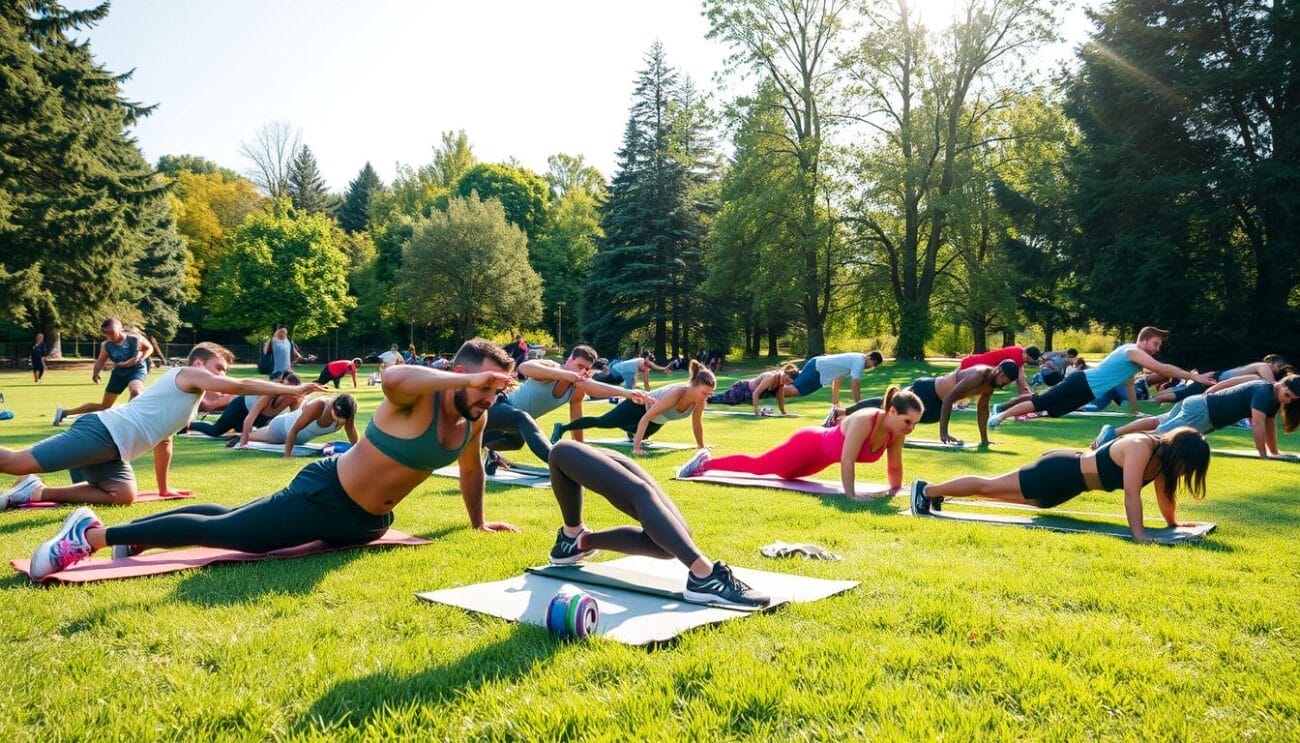
Did you know that regular activity can cut your risk of many chronic diseases and sharpen your thinking? The CDC reports clear benefits for brain health, bone strength, and muscle tone when you move consistently.
This guide gives you a clear, doable plan that links what you want with simple steps you can keep up. You’ll learn which exercise types burn calories and which protect muscle so your body reshapes as you go.
Follow easy, repeatable sessions most days to meet NHS guidance on weekly activity. Pair movement with smart nutrition, good sleep, and stress care to make results stick and keep your energy steady.
Key Takeaways
- Create a realistic plan that fits your time and goals.
- Combine cardio and strength to improve body composition.
- Track minutes and progress, not just the scale.
- Use recovery, sleep, and stress control to sustain gains.
- Personalize intensity and build steadily to protect joints.
Your starting point today: realistic fat loss, safety, and what actually moves the needle
Start by choosing a safe, realistic target that protects your energy and keeps your progress steady. Experts recommend aiming for 1 to 2 pounds per week to avoid fatigue, gallstones, and muscle loss.
Your rate of change depends on many things: starting weight, age, sex, sleep, diet, genetics, and medical issues like hypothyroidism or depression.
“Slow, steady progress protects health and helps habits stick.”
Prioritize sleep and stress, since poor rest can slow loss and fuel cravings. Pair sensible exercise with a balanced diet; energy balance drives results and consistency beats perfection.
- Set a safe weekly target and accept normal scale swings.
- Factor in your starting point, age, and sex when planning intensity.
- Focus on small habit wins: more steps, extra protein, regular movement.
- See your provider if medications or conditions could affect progress.
- Check checkpoints every 4–6 weeks and adjust with care.
| Approach | Short-term | Health risk | Long-term success |
|---|---|---|---|
| Safe (1–2 lb per week) | Steady change | Low | High |
| Extreme (rapid methods) | Fast numbers | High (fatigue, rebound) | Low |
| Balanced (move+diet) | Manageable | Minimal | High |
Daily fitness routines for weight loss: build your plan around consistency, intensity, and recovery

Consistency, intensity, and smart recovery are the pillars that make progress predictable. Start with the NHS baseline: aim for 150 minutes of moderate or 75 minutes of vigorous activity per week, and consider increasing toward 300 minutes to boost benefits.
Minutes per day vs. times per week: how to hit 150-300 minutes
Translate the weekly target into simple goals: 30–45 minutes most days hits 150–300 minutes per week without stress. You can split sessions into shorter blocks or group them into fewer longer sessions—choose the pattern that fits your life and helps you keep going.
Calorie deficit made doable: activity plus nutrition
Match intensity to your level. Alternate steady moderate sessions with occasional vigorous intervals to spark change while protecting joints. Pair that with a calorie-conscious diet that prioritizes protein, fiber, and hydration to preserve muscle and control hunger.
- Boost non-exercise movement—standing and walking add easy minutes.
- Schedule light recovery days to promote circulation and reset motivation.
- Stack habits: prepped sessions, set times, and ready gear make action automatic.
- Use simple exertion cues (RPE) and bank minutes early when weeks get busy.
“Small, steady minutes add up faster than sporadic extremes.”
Check in weekly and tweak duration or intensity to keep progress steady without overreaching. If you’d like tools to support your plan, consider options that support your routine and make this way of working easier to sustain.
Walk your way lean: brisk walking and NEAT that burn calories without battering your joints
Walking combines safety and steady calorie burn, making it ideal if you’re building an aerobic base. It’s low impact, beginner friendly, and proven to reduce body fat when done regularly. A 12-week study showed women with obesity who walked 50–70 minutes three times weekly trimmed body fat and waist size.
How many calories per minute walking can burn (by body weight)
Use this simple guide to plan sessions confidently:
- A 140-pound person ≈ 7.6 calories per minute.
- A 180-pound person ≈ 9.7 calories per minute.
- Calories burned scale with pace and terrain—hills and arm drive add intensity.
A beginner-to-brisk 4-week walking progression
- Week 1: 20–30 minutes at comfortable pace, 4 days a week.
- Week 2: Add 5–10 minutes, keep cadence steady, 4–5 days.
- Week 3: Introduce two brisk 20-minute sessions or short tempo bursts.
- Week 4: Build to 40–50 minutes or add gentle hills once or twice weekly.
Make steps stick: routes, pacing, and soft-surface tips

Keep it enjoyable and practical. Choose soft tracks or park paths to cut impact. Vary routes—loops, errands, and out-and-backs—so walking becomes part of your day.
- Use arm swing and upright posture to raise intensity safely.
- Leverage NEAT: park farther, pace during calls, take stair alternatives.
- Track pace and steps so you can see progress in minutes and stamina.
“Small, consistent minutes of brisk walking build endurance and trim inches without heavy strain.”
Jogging and running: from couch to steady fat loss
Start with short, manageable runs that build confidence and protect your joints. Jogging generally sits at 4–6 mph; running is faster than 6 mph. Use pace to match your goal and fitness level.
Focus on gradual progress. Begin with intervals, then move toward steady 20–30 minute efforts as you adapt. Softer surfaces—grass, tracks, or a cushioned treadmill—cut impact and lower injury risk.
Intensity matters: paces, terrain, and joint-friendly surfaces
- Pick pace ranges so effort fits your goal.
- Use hills for strength and flats for steady tempo work.
- Rotate shoes every 300–500 miles and add mobility for calves and hips.
Why running helps reduce visceral belly fat
Research shows jogging and running can shrink visceral body fat, which improves metabolic health. You’ll burn meaningful calories: a 140-pound person ≈ 10.8 cal/min jogging, 13.2 cal/min running; a 180-pound person ≈ 13.9 and 17 cal/min, respectively.
| Type | Speed | Calories (140 lb / 180 lb) | Best Surface |
|---|---|---|---|
| Jogging | 4–6 mph | 10.8 / 13.9 per minute | Grass, track |
| Running | >6 mph | 13.2 / 17 per minute | Cushioned treadmill |
| Mixed intervals | Variable | Depends on work/rest | Soft or track |
“Pace your sessions with breathing and talk tests—easy days should feel easy, and hard days should be focused.”
When you’re ready, see this guide to start running when overweight to build safe progress and steady results.
Cycling indoors or out: low impact, high calorie burn

Indoor and outdoor cycling both build stamina, improve insulin sensitivity, and lower long-term health risk. It’s a low-impact activity that protects joints while giving you meaningful cardiovascular benefit.
Pick the form that fits your week and energy. Stationary bikes give convenience and structure. Road rides and trainers offer steady LISS. Spin classes mimic HIIT and deliver short, intense work blocks.
Stationary, road, or spin: matching sessions to your day
Use cadence and resistance to control intensity and keep your heart rate in productive zones. A 140-pound person burns about 6.4 calories per minute at 10 mph; a 180-pound person burns about 8.2.
- Ride 2–4 times per week, mixing short HIIT with longer steady sessions.
- Set saddle height and reach to protect knees and your low back.
- Track route speed on flats versus hills to measure real progress.
- Finish with light mobility for hips and thoracic spine to feel great off the bike.
“Cycling is a low-impact cornerstone that builds stamina without pounding joints.”
Swim for fat loss and joint relief
Swimming gives you a high-return cardio option that spares joints while delivering solid calories burned. The water supports your body so you can train longer without the same impact as land sessions.
Use stroke choice and simple structure to make minutes count. A 140-pound person burns about 9 calories per minute at a moderate swim pace; a 180-pound person burns about 11.6.
Best strokes and session ideas
- Breaststroke and butterfly deliver the highest calorie demand—use them in short bursts.
- Freestyle suits longer sets and steady pacing to build aerobic capacity.
- Backstroke balances shoulder load and helps posture.
- Build sessions with short intervals, drills, and technical work to raise efficiency.
- Try a 60-minute template three times a week; studies show middle-aged women who did this cut body fat and improved flexibility and lipids.
- Mix kickboard and pull buoy drills, track lengths and rests, and add quick deck mobility for shoulders and hips.
“Water training protects joints while powering full-body conditioning.”
Tip: Pair swims with protein-rich meals to support recovery and preserve lean mass after hard sessions.
Strength and resistance training: raise metabolic rate and protect muscle
Adding resistance sessions to your week helps you burn more energy between workouts and keeps muscle strong.
Short, consistent lifting delivers outsized returns. Studies show that small, regular protocols raise resting metabolic rate. One 6-month program of 11 minutes, three times weekly increased metabolic rate about 7.4% (~125 extra calories/day). Other 24-week trials reported ~9% in men (~140 cal/day) and ~4% in women (~50 cal/day).
Sets, reps, and times per week to build muscle mass
Aim for 2–4 sessions per week, 30–45 minutes each. Use 2–4 sets of 6–12 reps and progress load or reps weekly. Favor compound moves—squat, hinge, push, pull—to get the most from every minute.
Your resting metabolic rate boost after lifting
Lifting elevates metabolic rate for hours after hard sets. ACE estimates 7.6–9.8 calories per minute during weight training depending on body mass. That afterburn plus added muscle mass helps you burn more across the day.
Sample 30-minute full-body resistance circuit
- Warm-up: 5 min dynamic mobility.
- 3 rounds: 8 goblet squats, 8 bent-over rows, 8 push presses, 10 Romanian deadlifts, 30s plank. Rest 60s between rounds.
- Cool-down: 3–5 min light stretch and protein within 60 minutes.
| Focus | Sessions/week | Time/session | Expected calories/min |
|---|---|---|---|
| Full-body | 2–4 | 30–45 min | 7.6–9.8 |
| Strength focus | 2–3 | 30–40 min | Higher during sets |
| Maintenance | 1–2 | 20–30 min | Moderate |
Track reps, load, and RPE. Rotate patterns, prioritize protein, and schedule deload weeks to protect joints and keep gains steady. Celebrate the practical wins—stronger posture, easier lifts, and more energy each day.
Bodyweight basics that reshape your body: squats, lunges, push-ups, and planks
You can get stronger and leaner by mastering a few reliable bodyweight patterns. These moves fit any schedule and build real functional strength while helping reduce body fat.
Squats and lunges: lower-body strength and fat-supporting work
Start with 3 sets of 12–15 reps, focusing on form. Use a neutral spine and watch knee tracking to protect joints.
Progress by adding unstable-surface lunges or slower tempo reps to raise demand and balance. These steps increase muscle endurance and help you burn more calories without equipment.
Push-ups and pulling variations: upper-body balance
Push-ups build pressing strength; inverted rows or band pulls develop your back. Scale intensity with knee or incline options.
Train pressing and pulling in the same session to keep posture balanced and durable, especially helpful for women who want more upper-body confidence.
Planks and mountain climbers: core and conditioning
Hold planks to improve core stability and functional capacity. Add mountain climbers to raise heart rate and mix strength with cardio.
Use short circuits that blend these moves between lifting or aerobic days to keep momentum while you recover.
- Technique first: neutral spine, controlled tempo, and clear range of motion.
- Scale smart: adjust reps, tempo, and holds when weights aren’t available.
- Track progress: count clean reps and celebrate weekly wins.
- Mobility: brief ankle, hip, and shoulder work frees better positions and power.
| Move | Beginner | Progression | Primary benefit |
|---|---|---|---|
| Squat | 3×12–15 bodyweight | Tempo, pause, single-leg | Lower-body strength |
| Lunge | 3×8–12 each side | Unstable surface, walking lunge | Balance & endurance |
| Push-up / Pull | 3×8–12 (incline) | Decline push-up, band row | Upper-body balance |
| Plank / Climbers | 3×30–60s / 3×20 reps | Weighted hold, faster climbers | Core stability + calories |
HIIT and intervals: short sessions, big calorie payoff
Short, intense intervals let you get a huge training effect in a tight window. HIIT sessions of 10–30 minutes can burn many calories and raise your metabolic rate after you finish. One study found HIIT burned 25–30% more calories per minute than weight training, cycling, or steady treadmill work.
Pick a form of exercise you enjoy—running, cycling, rowing, or jumping rope—so you push hard while staying safe. Skipping and spinning often work well because they let you change effort quickly without complex setup.
Work-to-rest templates you can plug into running, cycling, or jumping
- 30:60 — 30s hard, 60s easy. Good for beginners and technique focus.
- 40:80 — 40s hard, 80s easy. Balances intensity and recoverability.
- 60:60 — 60s on, 60s off. Challenges your pace and tolerance safely.
Beginner HIIT progression to manage intensity and recovery
Limit total minutes to 10–25 when intensity is high. This protects recovery and performance.
- Warm up 8–10 minutes of movement prep before intense rounds.
- Start with 4–6 work intervals and add one or two rounds each week.
- Watch heart rate recovery between rounds to gauge your rate of fitness change.
- Alternate HIIT days with steady cardio or strength so joints and the nervous system rebound.
- Finish with an easy cooldown, light mobility, extra hydration, and a protein-rich snack to support recovery.
“When minutes are scarce, intervals give you a practical path to big returns — just progress slowly and prioritize form.”
Yoga for stress, recovery, and mindful weight loss
Yoga can be a quiet powerhouse that helps your body recover and steadies your mind between hard sessions. It supports mobility, posture, and the mental habits that keep healthy choices steady.
A 12-week study of women with obesity who did two 90-minute yoga sessions each week reduced waist circumference and reported better well-being. More vigorous styles like Vinyasa or Ashtanga raise heart rate and act as low-impact conditioning. Restorative or Yin sessions lower stress, calm appetite, and help sleep.
Flows to raise your heart rate vs. restorative sessions to lower stress
You’ll use energizing flows on training days when you want movement that still feels kind to your joints. On recovery days, lean into gentle holds to calm the nervous system and support appetite regulation.
- Energizing flows: short sequences to boost conditioning and balance without pounding joints.
- Restorative work: long holds, props, and breath to lower stress and improve sleep.
- Combine breath work with mindful movement to reduce emotional eating triggers and sharpen focus.
- Build a simple at-home practice when studio time isn’t possible to keep consistency high.
- Schedule 1–3 sessions per week based on your training load and how your body feels.
“Treat yoga as an integral part of your routine, not an optional add-on.”
Choose class styles that match your goal—sweaty flows for conditioning, deep holds for relaxation. If you want practical guidance on how yoga supports change, see this piece on yoga and weight loss benefits. And consider tools that support your routine to keep practice accessible and sustainable.
Pilates to strengthen, stabilize, and support fat loss
Short, precise Pilates sessions sharpen stability and make other exercises feel easier and safer. You’ll learn breathing, alignment, and control that turn each movement into an effective challenge.
A 30-minute beginner Pilates class burns about 108 calories for a 140-pound person; advanced classes can burn about 168 calories. An 8-week program (90 minutes, three times weekly) reduced waist, stomach, and hip measurements in middle-aged women and improved strength and balance.
Beginner vs. advanced sessions and where they fit in your week
Start with beginner sequences to learn breathing and alignment that make every rep count. Progress to advanced flows or reformer sessions when core control and mobility improve.
- Place Pilates on strength or recovery days to enhance posture and stability.
- Use it to complement cardio and lifting by targeting deep core and hip stabilizers.
- Focus on slow, precise execution to amplify muscle engagement and keep sessions joint-friendly.
- Integrate short 10–20 minute mat routines when time is tight to keep momentum.
Keep sessions energizing, not draining. Monitor how each class feels and adjust volume so Pilates supports your training rather than replacing it.
“Pilates helps reduce nagging aches, sharpens balance, and makes squats and lunges feel stronger.”
Skipping rope: portable cardio that torches calories

Jump rope gives you one of the most time-efficient cardio tools you can carry in a pocket. Skipping is highly strenuous — MET values sit around 11.7–12.5 — so ten minutes can equals about 30 minutes of jogging in cardiovascular benefit.
Form cues and interval ideas to maximize burn
Set up: neutral wrists, soft knees, small bounces. Keep the rope turning from the wrists and land lightly to cut impact.
- Start with 20–30 second rounds and build to longer intervals as rhythm improves.
- Use ladders, EMOMs, or classic HIIT templates to raise intensity and total calories burned.
- Rotate foot patterns — basic bounce, boxer step, high knees — to vary coordination and challenge.
- Pair short jump sets with a few strength moves for a fast full-body circuit on busy days.
- Cap total jump time early to protect calves and Achilles; use a mat or forgiving surface.
“Ten focused minutes of skipping can deliver the same cardiovascular effect as a longer run.”
Finish with calf, hip, and shoulder mobility. Monitor breathing and form as fatigue builds so each workout stays high in quality and low in injury risk.
Your week at a glance: a balanced, time-smart schedule
Structure removes guesswork. When you map a simple seven-day plan, you meet public health targets while protecting muscle and energy.
Aim to hit the NHS guideline of 150 minutes moderate or 75 minutes vigorous activity each week by mixing cardio and strength. Include at least two strength sessions to preserve lean mass during body change.
Cardio days: brisk walking, running, cycling, or swimming
Choose 2–3 cardio options that fit your schedule. Spread minutes across the week so sessions feel doable. Shorter bursts or one longer session both work—pick what keeps you consistent.
Strength days: full-body resistance or bodyweight training
Schedule 2–3 strength sessions each week. Full-body workouts or focused circuits protect joints and keep metabolic gains. Track sets, reps, and perceived effort to guide progression.
Active recovery: yoga, Pilates, mobility, and walking
Weave in 1–2 yoga or Pilates sessions to lower stress, boost mobility, and support sleep. Add short walks or mobility breaks on heavier weeks so you recover without losing momentum.
- Use one flex day for extra rest or errands.
- Adjust duration based on sleep and soreness that week.
- Batch workouts by time of day to reduce friction and increase adherence.
- Track sessions and minutes rather than overchecking the scale.
- Keep short movement snacks when time is tight to protect habit.
| Day | Main focus | Suggested time |
|---|---|---|
| Mon | Cardio (walking/cycling) | 30–45 minutes |
| Tue | Strength (full-body) | 30–40 minutes |
| Wed | Active recovery (yoga) | 20–40 minutes |
| Thu | Cardio (run or swim) | 25–45 minutes |
| Fri | Strength (bodyweight/weights) | 30–40 minutes |
| Sat | Mixed cardio or longer walk | 40–60 minutes |
| Sun | Flex day / mobility | Rest or light movement |
“Small, consistent sessions add up across a week — track minutes and times per week, not perfection.”
Dial in intensity and progression without burnout
Train smarter by controlling how hard you push and when you back off. Use simple rules to make steady gains while protecting joints and motivation.
Keep hard days hard and easy days easy. Use an RPE scale to guide effort and watch your morning readiness — sleep, soreness, and mood — before a session.
- Add only one variable at a time: duration, load, or density. That keeps progression steady and recoverable.
- Rotate deload weeks or lighter blocks so your joints and nervous system recover.
- Choose cushioned surfaces or treadmills with padding when you raise running intensity to cut impact.
- Keep technique clean; shorten sets if form slips and protect your weight-bearing joints.
- Use 3–4 week micro-cycles with clear goals so each block builds on the last.
- Prioritize warmups, cooldowns, fuel, and hydration around tougher sessions.
| Focus | Change | Why it works |
|---|---|---|
| Duration | +5–10% per week | Gradual stress keeps recovery manageable |
| Load / weight | Small increments | Builds strength without form breakdown |
| Density | Shorter rests | Raises cardiac and metabolic demand safely |
“Consistency and sensible progression beat bursts of intensity that end in breakdown.”
Calories burned, body fat vs. body weight, and what to track
Counting calories burned is useful, but body composition shows the real change.
Average energy use varies by a person’s mass, pace, and activity type. ACE and Harvard estimates show big ranges across modes, so use conservative calculator values to avoid overclaiming a calorie.
Track trends, not single numbers. Use weekly scale averages, waist measures, and progress photos to see body fat and shape shifts. Strength PRs and cleaner reps matter as much as the scale.
- Estimate burns with activity-specific ranges adjusted to your body and pace.
- Monitor body fat trends, waist circumference, and images alongside weight.
- Count strength gains — added muscle nudges metabolic rate up, raising maintenance calories.
- Review trends every four weeks and target a safe rate of loss: about 1–2 pounds weekly.
- Pick 2–3 metrics to track: minutes, sessions completed, and waist or hip change.
| Metric | Why it matters | How to track |
|---|---|---|
| Scale weight | Daily signal, not the whole story | Weekly average |
| Body fat / waist | Shows composition change | Calipers or tape + photos |
| Strength | Indicates muscle and metabolic gains | PRs, reps, load logged |
“Focus on behaviors you control each day, and let measured trends guide small adjustments.”
Fuel, sleep, and stress: the multiplier effects on fat loss
Small shifts in what you eat, how you sleep, and how you handle stress multiply the returns from any workout plan. When those pillars align, each session becomes more productive and recovery improves.
Plan meals around protein, fiber, and water to steady appetite and support recovery. Time a snack before a tougher session to sustain energy and improve training quality.
Build a sleep routine with steady bed and wake times. Good sleep protects hormones that affect hunger and fat storage. Moderate alcohol intake so sleep and next‑day performance stay strong.
Use simple stress tools—breathing, short walks, or yoga—to lower emotional triggers that push you toward calorie‑dense choices. Track how you feel each day: energy, mood, and cravings. Tweak meals or bedtime to improve trends.
“Small, consistent habits around fuel and rest compound into lasting body and health change.”
| Action | Why it matters | Quick tip |
|---|---|---|
| Protein + fiber meals | Steady appetite, better recovery | Prep balanced plates ahead of busy days |
| Consistent sleep | Regulates hunger and fat metabolism | Wind down 30 minutes before bed |
| Stress tools | Reduces emotional eating and cortisol | Short breath sets or walks after work |
| Smart snack timing | Improves workout quality and energy | Choose protein-rich options 30–90 minutes pre |
Prioritize your wellness: Fit n Fab Shop picks to support your holistic routine
Smart tools and quality supplements make healthy habits easier to keep. Pick items that back your training, recovery, and daily energy without adding complexity.
Top Amazon supplements and herbal remedies that pair with training
Choose evidence-informed options. Consider protein powders, creatine, omega-3s, and adaptogens like ashwagandha to support recovery and steady energy.
Prioritize third‑party testing and clear labels so you know what you’re taking. Supplements should support your diet, sleep, and training—never replace them.
Self-care tools for recovery, energy, and daily consistency
Pick items you will use: foam rollers, massage balls, a quality yoga mat, and hydration mixes for hotter sessions.
- Keep routines simple—set a consistent time for stretching and mobility.
- Choose products that suit your lifestyle and any medical guidance.
- Focus on gear that boosts recovery so your next workout feels better.
| Category | Why it helps | Pick example |
|---|---|---|
| Protein & Creatine | Preserve muscle, aid recovery | Third‑party tested powder |
| Omega‑3s & Herbs | Inflammation, stress support | Molecularly distilled fish oil |
| Recovery Tools | Reduce soreness, improve mobility | Foam roller / massage ball |
“Choose products that make healthy choices easier, not more complicated.”
Conclusion
You now have a practical way to combine movement, strength, and rest so progress stays steady.
Regular activity—150 minutes moderate or 75 minutes vigorous each week paired with smart nutrition and sleep supports steady, sustainable weight loss and better health.
Mix cardio and resistance, track a few simple metrics, and protect recovery so you get stronger while you change shape. Prioritize your wellness with Fit n Fab Shop’s selected supplements and self‑care picks to make consistency easier.
Start this week: schedule sessions, set out your gear, and shop supportive tools that help you feel your best inside and out.
FAQ
How many times per week should I exercise to lose fat safely?
Aim for at least 3–5 sessions of moderate to vigorous activity per week, combining 150–300 minutes of aerobic work with 2–3 resistance training sessions. This mix supports a calorie deficit while protecting muscle mass and metabolic rate.
How many minutes per day do I need to hit 150–300 minutes per week?
Spread that total across your week — for example, 30–60 minutes on most days. If you prefer shorter sessions, 5 days of 30–60 minutes or 6 days of 25–50 minutes will get you into the recommended range.
How many calories does walking burn by body weight?
Rough estimates: a 120-lb person burns about 200–240 calories per hour walking briskly, a 155-lb person about 260–320, and a 185-lb person about 310–380. Speed, terrain, and incline all affect those numbers.
Can strength training help me lose fat even if the scale doesn’t drop fast?
Yes. Resistance work preserves and builds muscle mass, which raises resting metabolic rate and improves body composition. You may notice clothes fit better and body fat percentage decline even if weight changes slowly.
How many sets and reps should I do each week to build muscle?
For most people, 8–20 sets per major muscle group per week, using 6–12 reps for hypertrophy or 3–6 reps for strength, spread over 2–3 weekly sessions, works well. Adjust load and recovery based on how you feel.
What’s a realistic weekly calorie deficit for safe fat loss?
A 300–700 calorie daily deficit (about 0.5–1.5 pounds per week) is sustainable for many people. Combine activity, strength training, and modest dietary changes rather than extreme restriction to protect energy and muscle.
How many calories can you burn with a 30-minute HIIT session?
A 30-minute high-intensity interval training session can burn 250–450 calories depending on your weight and intensity. HIIT also raises post-exercise calorie burn, but balance it with recovery to avoid overtraining.
What cardio form should I pick: running, cycling, swimming, or walking?
Choose what you enjoy and can do consistently. Walking is low-impact and easy to maintain. Cycling and swimming are joint-friendly with high calorie potential. Running burns lots of calories but may stress joints for some people.
How should a beginner progress with walking or running over 4 weeks?
Start with brisk 20–30 minute walks 3–4 times weekly, add 5–10 minutes each week or add a short interval of jogging. By week 4, aim for 30–45 minutes most days or a couch-to-5K plan that alternates walk/run intervals.
Does running reduce belly (visceral) fat specifically?
Aerobic exercise like running helps reduce visceral fat when paired with caloric control. High-intensity and sustained cardio show strong results, especially when combined with strength training and good sleep.
How many calories does cycling burn compared to spinning?
Moderate outdoor cycling burns roughly 400–600+ calories per hour depending on pace. Spin classes, with higher intensity, can burn 400–700 calories per hour. Your effort level and body weight shape the total.
What swim strokes burn the most calories?
Butterfly and front crawl (freestyle) burn the most calories, followed by breaststroke and backstroke. Interval sets and continuous laps at higher intensity increase total calorie burn and conditioning.
How much will lifting increase my resting metabolic rate?
Building muscle raises resting metabolic rate modestly — roughly 30–50 extra calories per kilogram of new muscle per day. The metabolic and functional benefits extend beyond just calorie burn, improving strength and daily energy use.
Can you recommend a 30-minute full-body resistance circuit?
Try 3 rounds: 10 goblet squats, 8–12 push-ups, 10 Romanian deadlifts or single-leg RDLs, 12 bent-over rows, 30-second plank. Rest 60–90 seconds between rounds. Adjust weight and reps to keep the last reps challenging.
Are bodyweight exercises effective for fat reduction?
Absolutely. Squats, lunges, push-ups, and planks build strength and raise heart rate when performed in circuits. They preserve muscle and improve daily movement, supporting long-term body fat reduction.
How should I structure HIIT work-to-rest for running or cycling?
Common templates: 30s hard/60s easy, 1:2 work-rest; or 1–2 minutes hard/2–4 minutes easy for repeated intervals. Start conservative and increase intensity or reps as fitness and recovery improve.
What’s a safe beginner HIIT progression?
Begin with 10–12 minutes total high-intensity time per week, split into 2–3 sessions. Add 1–2 minutes of hard work per session each week or add another interval, watching energy and muscle soreness.
How can yoga help with fat loss?
Yoga lowers stress, improves sleep, and supports recovery — all factors that influence appetite and metabolic health. Vinyasa and power flows raise heart rate, while restorative classes reduce cortisol and aid recovery.
Where do Pilates sessions fit into a weekly plan?
Use Pilates 1–3 times weekly to strengthen the core, improve movement quality, and support resistance work. Beginners benefit from foundational classes; advanced practitioners can add reformer or advanced mat sessions.
How many calories does jump rope burn and how do I do intervals?
Jump rope can burn 300–500+ calories per hour at a steady clip. Try 30s fast/30–60s easy for intervals, or 1 minute on/1 minute off for a beginner-friendly pattern. Focus on short sessions with good form.
How should I structure a balanced week of workouts?
Example: 3 cardio days (walking, running, cycling), 2 strength days (full-body resistance), 1 active recovery day (yoga, Pilates, mobility), and at least one full rest day. Tailor time and intensity to your schedule and recovery.
How do I increase intensity without burning out?
Progress gradually, alternate hard sessions with easier days, prioritize sleep and protein, and use deload weeks every 4–6 weeks. Monitoring energy and soreness helps you adjust before performance drops.
What body metrics should I track besides scale weight?
Track body fat percentage, measurements (waist, hips), strength (loads and reps), workout minutes, and how your clothes fit. These give a fuller picture of fat reduction and muscle preservation.
How do sleep, fuel, and stress affect fat reduction?
Poor sleep and high stress raise cortisol, which can increase appetite and impair fat loss. Fuel workouts with balanced meals—enough protein and carbs—and prioritize 7–9 hours of sleep to support recovery and energy.
What supplements or tools can support training and recovery?
Evidence-based options include whey or plant protein, creatine monohydrate for strength, and omega-3s for recovery. Tools like foam rollers, massage balls, and a quality yoga mat help consistency and mobility.