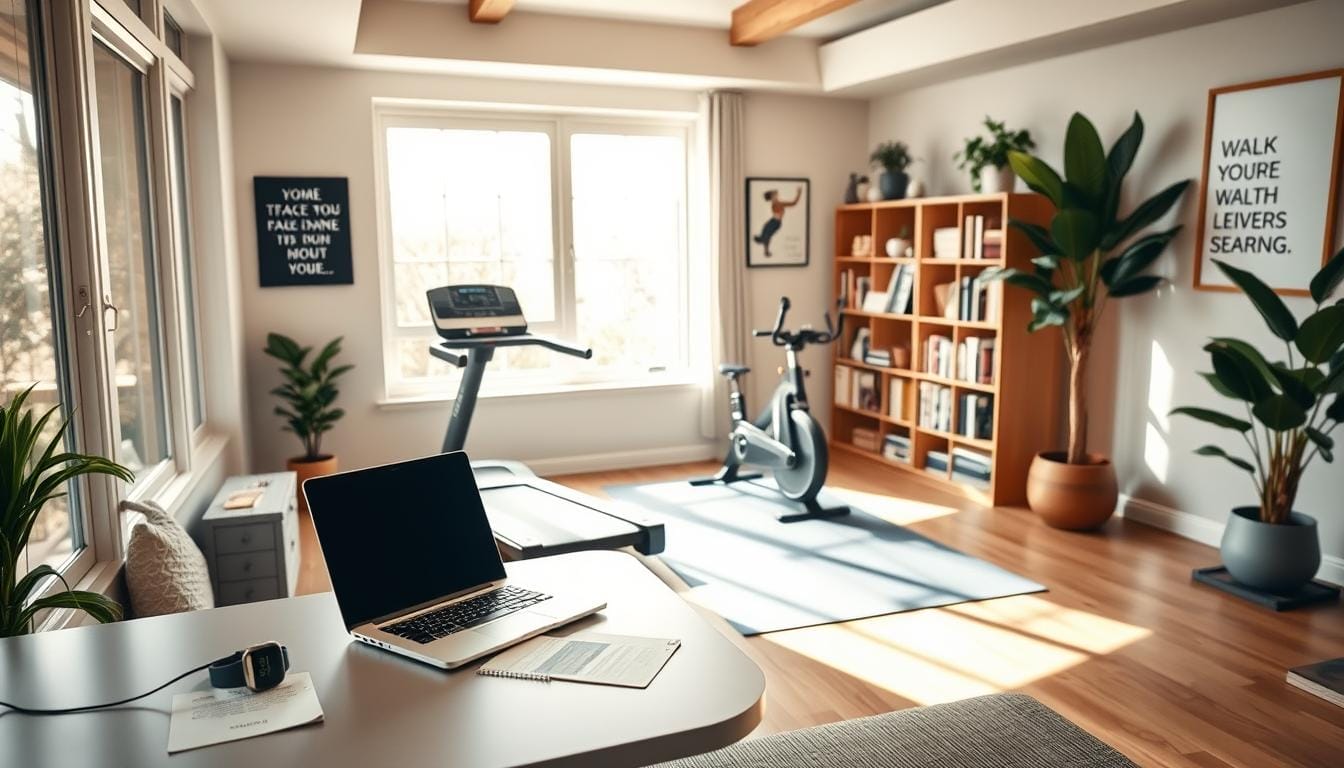
Surprising fact: nearly one in three adults miss recommended weekly activity goals, yet short 5–10 minute sessions can still build real progress.
You can turn small choices into steady momentum. Treating movement like an appointment helps you stick with a routine that fits your life. Public health guidance—150 minutes of moderate activity or 75 minutes vigorous plus two days of strength work—gives simple benchmarks you can adapt.
We offer a clear, practical guide to map a week that matches your schedule and energy. Learn why brief, focused workouts are powerful and how warm-ups, cool-downs, and active recovery protect your long-term gains.
Ready to start today? Pick one supportive product that helps you feel great and makes consistency easier. Visit our curated selection at Fit n Fab Shop wellness picks to complement your first week.
Key Takeaways
- Treat movement like an appointment to improve adherence.
- Short sessions (5–10 minutes) add meaningful weekly progress.
- Follow public benchmarks and adapt them to your bandwidth.
- Use warm-ups, cool-downs, and active rest to avoid burnout.
- Choose one supportive product to make consistency easier.
Start Strong: Your “Why,” Your Baseline, Your Momentum
Start by naming the real reason you want change; that clarity fuels every next step. Write down one SMART goal each week that links to your why. Use visible reminders like sticky notes on your mirror to make intentions simple and visible.
Test your starting capacity with simple checks. Runners can use the 12-minute Cooper Test to estimate VO2 max. Walkers can try the Rockport Walk Test. For core and stability, perform a plank progression to record baseline hold times.
Set weekly checkpoints and tiny rewards to sustain momentum. Align sessions with your day—mornings, lunch, or evenings—so the workout fits your life, not fights it.
| Test | What it measures | Easy benchmark | Next step |
|---|---|---|---|
| Cooper 12-min | Aerobic capacity | Distance in miles | Interval training |
| Rockport Walk | Cardio fitness | 1-mile time + HR | Brisk walking |
| Plank hold | Core stability | Seconds held | Progression reps |
| Weekly checklist | Adherence | Sessions completed | Small reward |
Tip: Pick one supportive item from Fit n Fab Shop—like a recovery tool or calming herbal tea—to bookend sessions and reinforce the habit.
Exercise Plan Creation: The Essentials You Need to Know
Choose a weekly cadence you can keep—consistency beats intensity at first. Start with three manageable sessions per week and increase as your recovery and schedule allow. Aim to meet public guidance: 150 minutes moderate or 75 minutes vigorous activity per week plus two or more days of strength training with 48 hours between sessions.
How many days per week makes sense at your level
If you’re new, three nonconsecutive slots give your body time to adapt. Intermediate exercisers can add two or three more sessions, mixing moderate days with one vigorous day. Advanced routines may spread training across five to six days, but watch for fatigue signals and reduce volume when needed.
Balancing cardio, strength, flexibility, and balance for a holistic routine
Build workouts that cover four pillars: cardio, strength, flexibility, and balance. Include two nonconsecutive strength training days for muscle growth. Use short warm-ups (5–10 minutes) and cool-downs with stretching when muscles are warm. Add balance work like yoga or tai chi once or twice weekly, especially if you sit a lot.
- Match intensity to what you tolerate; add intervals only when ready.
- Split sessions into short bouts if your schedule is tight to still hit per week targets.
- Pick one tool—like a foam roller—to support recovery and make routines sustainable.
Prioritize your wellness with Fit n Fab Shop’s carefully selected essentials and consider top supplements and herbal supports to help you feel your best. Ready to boost your health naturally? Shop now for tools that make steady progress easier and more enjoyable.
Design Your Week: Example Schedules That Fit Real Life
A simple weekly template can make busy weeks feel manageable and steady. Below are three approachable routines you can test across a month. Each example shows where to place strength, cardio, and recovery so you build consistency without burnout.
Three-days-per-week template for beginners
Week 1: full-body sessions on Monday, Wednesday, and Friday. Keep sessions short and focused.
Upper body / lower body split with recovery built in
Week 2: four training days. Alternate upper body and lower body, with lighter midweek mobility and a gentle weekend walk.
Push-pull-legs flow when you’re ready for more
Week 3: move to a push/pull/legs program across six days for higher frequency. Week 4 can shift to a four-day split (chest/triceps, back/biceps, quads/hamstrings) to increase volume while keeping rest between like groups.
| Template | Typical days per week | Focus | Where to add cardio |
|---|---|---|---|
| Beginner full-body | 3 days | Foundational strength, mobility | Short walk on off days or 10–20 min after strength |
| Upper/Lower split | 4 days | Balanced strength, recovery between similar muscle groups | Separate short cardio on lighter midweek day |
| Push/Pull/Legs | 5–6 days | Focused group training, higher volume | Low-intensity cardio after shorter sessions or on active rest day |
Tips: Match session times to your work and family blocks. Swap sessions when life interferes instead of skipping them. Prioritize recovery by placing gentle mobility where your week feels heaviest.
Prioritize your wellness with Fit n Fab Shop’s carefully selected health and wellness essentials. For templates and downloadable examples, check a helpful resource here: free templates.
Strength Training That Works: Sets, Reps, and Muscle Groups
Begin workouts with multi-joint movements to recruit the most muscle and build a solid base. Compound lifts like squat-to-press and deadlifts hit many muscle groups at once. Do these early when you feel freshest.
Compound first, then isolation: organizing movements for results
Start with compound movements to build strength efficiently. Follow with isolation work to target a single muscle group and correct weak links.
Pair chest presses before flyes, and rows before curls. This order preserves energy for heavy lifts and improves overall movement quality.
Ideal ranges: three sets, 8-12 reps, and when to go higher
Use three sets of 8–12 reps as your default for hypertrophy. Choose a weight that challenges your muscle so the last two reps feel hard but controlled.
Occasionally add higher-rep sets to build endurance. Keep a steady tempo, count lifts, and breathe out on exertion to protect your back and core.
- Sets: Default to three sets; add a set when progress stalls.
- Reps: 8–12 for growth; higher reps for endurance work.
- Recovery: Allow 48 hours before training the same muscle again.
- Progress: Increase weight or tweak exercises when form stays clean and workouts feel easier.
| Focus | Example Movement | Sets | Reps |
|---|---|---|---|
| Full-body strength | Squat to press | 3 | 8–12 |
| Posterior chain | Deadlift | 2–3 | 6–10 |
| Chest | Bench press → flyes | 3 → 2 | 8–12 → 10–15 |
| Back | Row → curls | 3 → 2 | 8–12 → 10–15 |
Prioritize quality over quantity. Keep movements smooth, control the weight, and focus on the working muscle. Small, consistent changes drive lasting gains.
Prioritize your wellness with Fit n Fab Shop’s carefully selected health and wellness essentials. For supportive tools and natural aids to complement your strength work, check a recommended resource here: supportive product picks.
Cardio with Purpose: Endurance, Intensity, and Progress
Making your weekly aerobic time intentional turns short efforts into measurable gains. Aim for a total of 150 minutes moderate or 75 minutes vigorous per week. Sessions of at least 10 minutes count, so short blocks add up fast.
150 minutes moderate or 75 minutes vigorous — how to mix and match
Balance matters. You’ll mix moderate and vigorous sessions to hit your per week goal, adjusting the blend based on how your body feels. Ten minutes vigorous approximates 20 minutes moderate, so a few quick tougher efforts can save you time while raising intensity and building endurance.
From brisk walks to intervals: examples that scale with your fitness
Start with steady brisk walks and refine your form—stand tall, swing arms, roll heel to toe. Progress to simple intervals (1 minute quicker, 2 minutes easy) to increase fitness and support healthy loss without long sessions.
- You’ll scale sessions from 10-minute blocks to longer outings as endurance grows.
- You’ll place cardio on days that complement strength training to avoid fatigue.
- You’ll try exercises like brisk walking, cycling, or short tempo runs as an example of varied workouts.
Prioritize your wellness with Fit n Fab Shop’s carefully selected health essentials. Explore Amazon’s top supplements, herbal remedies, and self-care products to support your holistic lifestyle and make each outing repeatable and rewarding.
Flexibility and Balance: The Often-Missed Performance Edge
A few focused mobility moves and balance drills can change how your body feels in every session. Move first, stretch after. Warm muscles lengthen more safely and you protect peak force during heavier work.
When to stretch: Hold each stretch 10–30 seconds and repeat 2–6 times. Breathe steadily and stop at tension, not pain. Avoid long static stretches before high-effort work to keep strength and power intact.
Practices that help: Yoga, tai chi, and Pilates build flexibility, core strength, and steadiness. Add one flexibility-focused session per week on a lighter training day to support joint health and posture.

Core and balance to support strength
Use core drills to protect your spine and link upper and lower body force. Older adults benefit from 30 minutes of balance and strengthening three times per week plus walking to keep mobility and confidence.
- Prioritize hips, chest, and back to improve posture and movement quality.
- Choose tools like a yoga strap or block to keep alignment comfortable.
- Pair gentle stretching with breathwork to aid relaxation and recovery.
| Focus | Duration | How often |
|---|---|---|
| Post-session stretching | 10–30 sec holds | 2–6 repeats |
| Balance practice (yoga/tai chi) | 20–30 min | 1–3 times/week |
| Core stability drills | 5–15 min | 2–3 times/week |
Prioritize your wellness with Fit n Fab Shop’s carefully selected health and wellness essentials. Explore Amazon’s top supplements, herbal remedies, and self-care products to support your holistic lifestyle. Every product is chosen to help you feel your best—inside and out. Ready to boost your health naturally? Shop now and discover the power of a balanced, vibrant life!
Progression Made Simple: From First Steps to Strong Habits
Progress works best when you change only one thing at a time and let your body adapt. Start by choosing a single progression lever — more reps, an extra set, or slightly more weight — and commit to that for a few sessions.
Use clear rules: stay inside a rep range and only raise load when you hit the top with clean form. Reverse pyramids are useful: drop weight slightly as reps climb each set so you keep quality under fatigue.
Make weekly nudges small. Add two reps first, then three. Add one set only when workouts stay solid. Track how your body recovers and how steady your form feels.
- Pick one progression at a time so training adapts without overload.
- Bump weight only after you reach the top of your rep range with clean technique.
- Apply the same idea to cardio: add minutes or one extra interval when current sessions feel easy.
- Honor deload weeks when life stress rises; consistency beats constant intensity.
Refine your goal quarterly so motivation stays fresh. Accept that progress is rarely linear; small, steady upgrades over many weeks are what build lasting strength and resilience.
Prioritize your wellness with Fit n Fab Shop’s carefully selected health and wellness essentials. Explore Amazon’s top supplements, herbal remedies, and self-care products to support your holistic lifestyle. Every product is chosen to help you feel your best—inside and out. Ready to boost your health naturally? Shop now and discover the power of a balanced, vibrant life!
Recovery That Builds You Up: Rest Days, Mobility, and Nutrition Support
Good recovery is the engine behind steady gains—treat rest as active work for your body. Give the same muscle at least 48 hours after hard lifts so repair and growth happen. That simple rule helps you return stronger and cut risk of injury.
Use light movement on off days to boost circulation without adding fatigue. Walk, gentle cycling, or short mobility flows keep joints happy. Swap intense sessions for breathwork or stretching when energy is low.
- You’ll schedule rest so the same muscle gets 48 hours between heavy sessions.
- You’ll treat a rest day as active: walking, stretching, or light pedaling restore you.
- You’ll use foam rollers and massage balls to ease tight spots and regain range of motion.
- You’ll nourish muscles with protein, hydrate, and protect sleep to support repair.
| Focus | What to do | How often |
|---|---|---|
| Hard lifts | 48-hour recovery for same muscle groups | 2–3 times week |
| Active rest | Walking, mobility flows, gentle cycling | 1–3 days |
| Bodywork | Foam roller, massage ball, gentle stretching | After sessions or on rest day |
Prioritize your wellness with Fit n Fab Shop’s carefully selected health and wellness essentials. Explore Amazon’s top supplements, herbal remedies, and self-care products to support your holistic lifestyle. Every product is chosen to help you feel your best—inside and out. Ready to boost your health naturally? Shop now and discover the power of a balanced, vibrant life!
Make It Stick: Scheduling, Tracking, and Motivation
Treat your weekly sessions like meetings you cannot miss. Block a standing time—morning, lunch, or evening—and protect that slot so the routine becomes automatic.
Calendar your workouts like appointments and set weekly checkpoints
Post a visible target for the week and cross off each completed session. That simple cue builds a streak and keeps you honest about how each day unfolds.
Training logs, wearables, and small rewards to reinforce consistency
Track sets, minutes, and how you felt so decisions come from data, not mood. Wearable insights help you spot low sleep or hydration before motivation slips.
“Small wins compound. One protected session a day becomes a habit you trust.”
- Block training time and treat it like any important meeting.
- Keep a backup 5–10 minute micro-session for hectic days.
- Use a simple log or wearable to note effort and recovery.
- Recruit a buddy or class for accountability and fun.
- Reward consistency with small treats and review your goal monthly.
| Tool | What to track | Why it helps |
|---|---|---|
| Calendar | Session time | Protects the slot |
| Log (app or notebook) | Sets, reps, minutes, mood | Guides adjustments |
| Wearable | Sleep, HR, steps | Reveals pattern changes |
Prioritize your wellness with Fit n Fab Shop’s carefully selected health and wellness essentials. Explore Amazon’s top supplements, herbal remedies, and self-care products to support your holistic lifestyle. Every product is chosen to help you feel your best—inside and out. Ready to boost your fitness naturally? Shop now and discover the power of a balanced, vibrant program that helps you make sure small actions last.
Shop Smart, Feel Fab: Wellness Essentials to Elevate Your Routine
Smart gear can remove tiny barriers and turn good intentions into steady habits. A few quality items make your routine easier at home, at work, or on the road.
Prioritize your wellness with Fit n Fab Shop’s carefully selected health and wellness essentials. Explore Amazon’s top supplements, herbal remedies, and self-care products to support your holistic lifestyle.
- You’ll use this curated guide to choose tools that make your plan easier to execute anywhere.
- Supportive walking shoes with breathable uppers and cushioned soles help daily steps feel better and protect joints for steady fitness.
- Add a foam roller and massage ball to a recovery corner to ease soreness and prep tissues for strength work.
- Consider adjustable dumbbells or resistance bands so you can do efficient strength sessions without a busy gym.
- Keep a yoga mat handy for mobility flows and core work that support posture and balance.
Browse herbal supports and recovery aids that align with goals like relaxation, focus, or gentle inflammation help for healthy weight loss. Set up a visible station so you can start fast. Compare a few product bundles as an example and make sure each pick solves a real obstacle—time, comfort, or convenience—so items earn their keep.
Every product is chosen to help you feel your best—inside and out. Ready to boost your health naturally? Shop now and discover the power of a balanced, vibrant life!
Conclusion
Your weekly habits add up: small, steady sessions that fit your life deliver real gains per week. Keep two quality strength training sessions to hit key muscle groups and give each muscle group at least 48 hours before you train it again.
Progress with patience. Nudge reps, add a set, or increase weight only when form feels solid. Use three sets for core lifts, track reps and sets, and balance cardio minutes with mobility and balance work to protect endurance and movement quality.
Protect recovery with active rest, sleep, and simple nutrition. Pick one or two supportive tools from Fit n Fab Shop so starting a workout is effortless. Prioritize your wellness and shop smart to make each week more sustainable, vibrant, and confident.
FAQ
How many days per week should I train to see steady progress?
Aim for three to five days per week to balance gains and recovery. If you’re new, start with three full-body sessions spaced with rest days. As you get stronger, shift to four or five days with splits like upper/lower or push/pull/legs to increase volume without overtaxing any one muscle group.
What’s the best way to structure strength work for all major muscle groups?
Lead with compound movements—squats, deadlifts, rows, presses—then add one or two isolation moves for weaker links. Use three sets per exercise as a baseline and choose rep ranges based on your goal: 8–12 for size and muscular endurance, lower reps with heavier load for strength.
How should I mix cardio with strength training each week?
Use the 150/75 guideline: 150 minutes of moderate or 75 minutes of vigorous cardio weekly. Pair lower-intensity cardio (brisk walking, steady cycling) on recovery days and reserve high-intensity intervals for non-lift days or after light sessions. That balance protects strength gains while improving endurance.
I’m short on time—what does an effective three-day-per-week schedule look like?
Choose full-body workouts on Monday, Wednesday, and Friday. Each session: one lower-body compound, one upper-body push, one upper-body pull, and a core movement. Keep sessions to 45–60 minutes and focus on progressive overload so limited time still yields results.
How long should I rest between strength sessions for the same muscle group?
Give major muscle groups about 48 hours to recover. That means if you do a heavy leg day on Monday, schedule your next direct leg session no earlier than Wednesday or Thursday, or use lighter, active recovery work in between.
When should I increase sets, reps, or weight?
Progress when your current load feels manageable for all prescribed sets and reps. Add small weight increments first, then extra reps, or a fourth set if you need more stimulus. Track workouts in a log so changes are gradual and measurable.
What’s the role of mobility and balance in a routine?
Mobility and balance reduce injury risk and improve movement quality. Include dynamic warm-ups before sessions and focused mobility or yoga afterward. Short daily mobility breaks help posture and performance, especially if you sit a lot.
How do I recover faster between sessions?
Prioritize sleep, protein-rich meals, and hydration. Use foam rolling, targeted stretching, and contrast showers to ease soreness. Tools like massage balls and compression sleeves can help, but consistent sleep and nutrition yield the biggest gains.
What’s a simple way to track progress and stay motivated?
Calendar workouts like appointments and set weekly checkpoints. Use a training log or a wearable to monitor volume, steps, and sleep. Celebrate small wins—more reps, extra weight, or even consistency streaks—to keep momentum.
Can I combine strength and flexibility work in the same session?
Yes. Do mobility and dynamic stretches as a warm-up, perform strength work, then finish with static stretching or a short yoga flow as a cool-down. This order protects your lifting form while improving long-term range of motion.
How do I choose between an upper/lower split and push/pull/legs?
Choose upper/lower if you prefer fewer gym days with higher volume per session—ideal for four days a week. Pick push/pull/legs when you want more frequency or training variety across five to six days. Both work; base your choice on schedule and recovery.
What should beginners test to set a baseline?
Start with simple checks: a timed brisk walk or short run for cardio, a plank hold for core, and bodyweight squats or push-ups for strength. These give immediate markers to measure improvements and help you pick appropriate starting loads.
How can I avoid common mistakes like overtraining or poor progression?
Follow planned recovery, increase load slowly, and listen to your body. Use deload weeks every 6–8 weeks if you’re lifting heavy. Rotate movement patterns and avoid doing the same maximal effort every session to cut injury risk.
What equipment and recovery tools are most helpful to buy?
Invest in a quality pair of dumbbells or resistance bands, a stable bench, and a yoga mat. For recovery, consider a foam roller, massage balls, and a programmable massage gun. These items support strength, mobility, and consistent upkeep.
How do I scale workouts as my fitness improves?
Increase intensity by adding weight, more sets, or higher-quality reps. Introduce advanced movements and shorten rest periods. Alternatively, add time-based intervals or more structured progressions like periodized blocks for long-term gains.