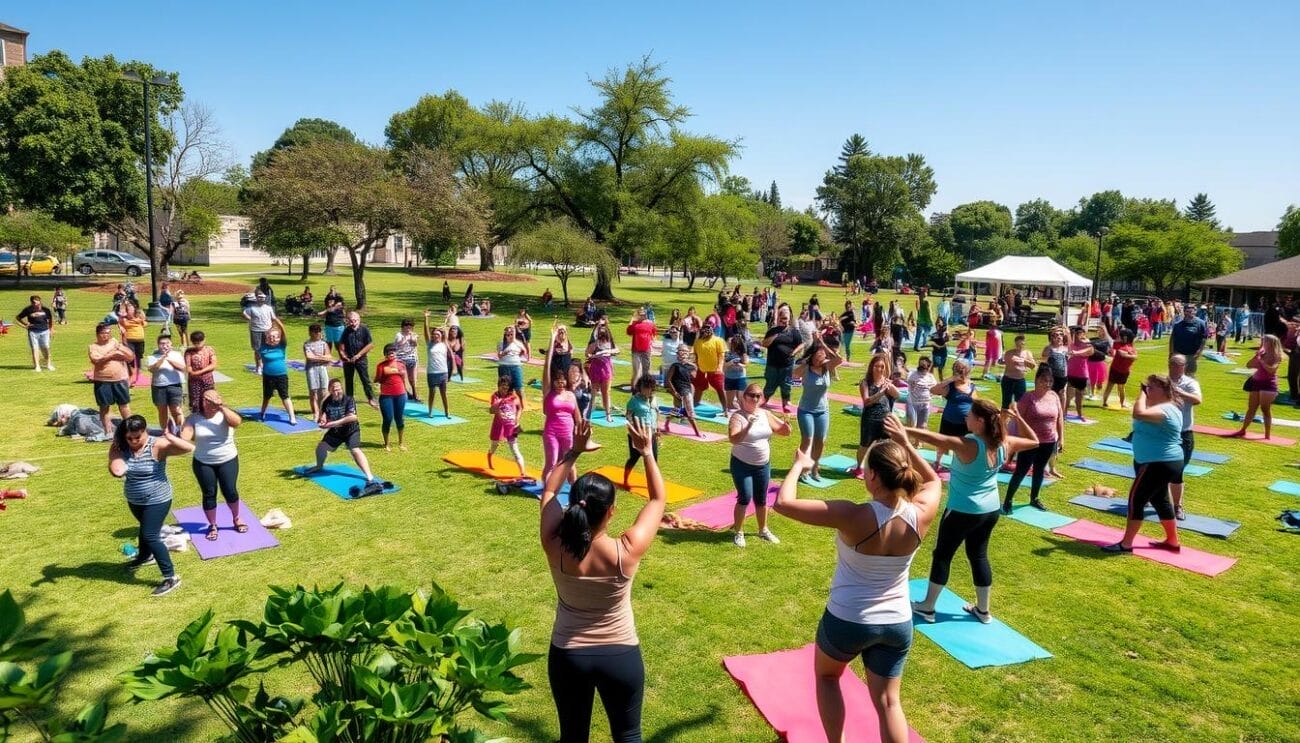
Did you know that members who attend regular classes are twice as likely to stick with a plan for six months or more?
That kind of consistency comes from smart training, motivating playlists, and clear coaching that meets you where you are. Certified trainers (ACE, NASM, AFAA, ACSM, ISSA) design safe, effective sessions so you move toward your goals with confidence.
Join a community that makes health feel simple: uplifting classes, upbeat music, and practical guidance that fits your day. Pair your routine with wellness essentials from Fit n Fab Shop to aid recovery and boost energy naturally.
Ready to jump in? Find local options and resources at Get Fit With Ashley and start building momentum today.
Key Takeaways
- Structured classes and certified trainers help keep you consistent and safe.
- You get results-focused training plus the motivation of a supportive group.
- Simple wellness products can speed recovery and support daily energy.
- Choose a coach and class format that matches your schedule and goals.
- Start small, stay steady, and use community to build lasting habits.
Why Group Fitness Works: The Present Power of Community, Coaching, and Consistency
Community energy turns routine into momentum and helps you show up regularly. In a class setting, social support, clear instruction, and a designed plan lower friction and make progress feel natural.
How classes boost motivation and adherence

People often train more consistently when they do it with others. An instructor cues form, sets pace, and channels the room so each workout is safer and more effective.
- You’ll feel accountable—people show up for each other, not just for a workout.
- Structured sessions remove decision fatigue: arrive and follow the plan.
- Community support reduces barriers and celebrates your small wins.
The role of environment, music, and energy in your results
Lighting, spacing, and sound shape focus and effort. The right environment makes tough sets feel doable and helps you earn better results over time.
Tip: Pair class momentum with Fit n Fab Shop essentials for recovery and stress relief so you keep showing up and gain lasting health gains.
Experienced Group Fitness Coaches: What They Do and Why Their Expertise Matters
When instruction is precise, you move safer and see faster results. A strong instructor blends movement knowledge, clear communication, and steady presence so each session feels guided and achievable.
Instruction, cueing, and real-time form correction: Your trainer gives simple cues so you know what to do and how it should feel. The instructor watches form and makes quick fixes that protect joints and boost results.
That attention helps mixed levels train together. Scalable options let individuals progress at their own pace while the whole class moves as one.
Designing safe, effective sessions that balance cardio and strength

Good programming pairs conditioning with strength so you build endurance and muscle. Smart sequencing reduces downtime and raises the training effect.
- You’ll learn core skills—breathing, bracing, tempo—that apply to daily life.
- Instructors manage space and give focused attention so clients feel supported.
- Expect exercises with scalable options for every level and clear progressions.
Pro tip: Reinforce your progress with wellness picks from Fit n Fab Shop, and read more about teaching classes at this ISSA guide.
Credentials That Count: Top Certifications and Requirements for Your Coach
Not all certifications are equal—know the marks that matter when you pick an instructor.
Look for verifiable certifications from ACE, AFAA, NASM, ACSM, or ISSA. These programs require coursework and exams in exercise science and instruction, which show solid foundations in anatomy, technique, and program design.
CPR, AED, and on-the-spot safety
Every instructor should maintain CPR/AED and first aid certification. These qualifications reduce risk and prepare a trainer to handle emergencies in a gym or studio setting.
Continuing education and practical skills
Ongoing learning keeps your instructor current on trends, injury prevention, and basic nutrition. Ask about recertification timelines and how coursework translates into real programs.
- What to check: bios, cert logos, and recert dates.
- Prefer instructors who follow structured progressions, not random workouts.
- Education plus real-world practice boosts safety and results.
| Credential | Focus | Why it matters |
|---|---|---|
| ACE | Exercise science & instruction | Solid foundation for program design and technique |
| NASM | Corrective exercise & progressions | Strong emphasis on load management and injury prevention |
| ACSM / ISSA / AFAA | Clinical standards, coaching, group formats | Widely recognized; useful for trainers who teach classes |

Tip: Choose instructors who invest in education, and complement your routine with Fit n Fab Shop essentials to support recovery, immunity, and daily vitality.
Small Group vs. Large Group: Choosing the Class Format That Fits You
Deciding between intimate sessions and larger classes comes down to personalization versus vibe. Pick the format that matches your schedule and goals, then support recovery with Fit n Fab Shop essentials so you keep momentum.
Small group training (usually up to ~10 people) gives semi-personalized progress and room for periodized programs. You’ll get more form checks, tailored load adjustments, and better tracking of long-term progress.
Large group sessions use preprogrammed workouts to deliver a high-energy experience. These classes often focus on cardio and accessibility, and they offer many time options at the gym so you can fit sessions into busy days.
If you’re unsure, try both for a week to see which experience helps you show up most. People who want targeted progress tend to favor small formats. Those who feed on music and crowd energy often choose larger classes.
| Format | Typical Size | Key Benefit | Best For |
|---|---|---|---|
| Small | Up to ~10 | Semi-personalized coaching | Targeted progress, level work |
| Large | 10–50+ | High-energy, repeatable workouts | Variety, social vibe, flexible time slots |
| Hybrid | Varies | Mix of structure and energy | Clients who want both personalization and community |
- Tip: Match your choice to your routine and use recovery aids to avoid burnout.
Personal Trainer or Group Fitness Instructor? The Best Path for Your Goals
Choosing whether to work with a personal trainer or join a group fitness class should match your goals, budget, and schedule.
Personal trainers give one-on-one assessments, custom plans, and focused attention. They often include basic nutrition guidance and tailored progressions for rehab or sport-specific work.
Group fitness instructors drive motivation and community energy. Classes cost less per hour and offer many time slots at the gym, which helps busy clients stay consistent.
“Pick the format that keeps you showing up; consistency beats perfect planning.”
- If you need deep personalization, choose a trainer.
- If you want lower cost and social drive, choose a class.
- Many clients blend both: private sessions for technique plus classes for consistency.
Support either path with simple recovery services and wellness picks from Fit n Fab Shop to improve sleep, recovery, and daily energy.
| Option | Typical Benefit | Best For |
|---|---|---|
| Personal Trainer | Individual assessments, tailored plans | Rehab, technique, sport goals |
| Group Fitness | Lower cost, high motivation | General fitness, schedule flexibility |
| Hybrid | Mix of precision and community | Clients who want both personalization and variety |
From Goals to Results: Programming, Class Types, and Time Efficiency
Turn your goals into a clear weekly plan that actually fits your schedule. Start by matching class types to outcomes so each session moves you closer to real results.

Popular formats and where they help
HIIT boosts conditioning. Strength circuits build muscle and work capacity. Yoga and Pilates improve mobility and core. Cycling and dance deliver steady cardio and joy.
Balance intensity, recovery, and skill
Smart programs alternate hard workouts with lower-intensity or mobility sessions so you avoid burnout. Use structured blocks—warm-up, prime movement, accessories, finisher—to make every minute count.
- You can build a weekly plan: two strength workouts, one HIIT, one mobility/yoga, plus optional low-intensity cardio.
- Different level options keep sessions inclusive; scale load, range, or tempo to match your current capacity.
- When you need precision, personal trainers tune form and progression to speed results.
| Format | Best For | Weekly Role |
|---|---|---|
| HIIT | Conditioning, calorie burn | 1 intense, short session |
| Strength circuits | Muscle and load progress | 2 sessions for strength focus |
| Yoga / Pilates | Mobility, core control | 1 recovery or skill session |
Tip: Support training with simple nutrition habits and recovery tools from Fit n Fab Shop—protein, mobility aids, and calming self-care help you recover faster and stay consistent.
Safety First: Form, Injury Risk Reduction, and Inclusive Modifications
Start with safety as your top priority so every session builds progress, not setbacks. Your instructor plans clear cues, space layout, and progressions that match each level. This reduces injury and keeps the class productive.
Good form matters: neutral spine, bracing, and controlled tempo lower injury risk while boosting output. Coaches demo moves, then show simpler options so individuals can join safely and still advance.
- Smart progressions move from stable to more complex exercises so risk falls as confidence grows.
- Clear lane marking and equipment setup cut trip hazards and clarify requirements for each drill.
- Pre-class briefs cover contraindications and options that meet your needs before intensity rises.
- Quick safety cues—“ribs down,” “knees track toes,” “hinge, don’t fold”—protect joints without stopping the flow.
- Instructors monitor pacing, call breaks, and manage music and ventilation to support focus.
- Recovery matters: warm-ups, mobility work, and cool-downs help prevent setbacks; explore Fit n Fab Shop tools for sleep and relief.
You should feel safe asking for modifications. A responsive instructor adjusts load and timing so every person leaves stronger and injury-free.
Elevate Your Routine: Wellness Essentials That Support Your Training
Small daily choices outside the studio make as much difference as the workouts themselves.
Prioritize your wellness with a compact stack that supports recovery, energy, and sleep. Protein support, electrolytes, and calming self-care are the basics that keep training consistent and sustainable.
Fit n Fab Shop picks: Supplements, herbal remedies, and self-care
Fit n Fab Shop curates supplements and herbal remedies chosen to complement training days and rest days alike. Use targeted products to ease soreness, improve sleep, and support immunity so you can show up week after week.
Building a holistic plan: Recovery, nutrition, and stress management
Nutrition basics matter: focus on protein, fiber, and hydration to keep energy steady for classes and sessions. Ask your trainers or a fitness coach about pre-class fueling and timing for best comfort and performance.
Practical habits:
- Walk or do gentle mobility on off days to reduce stiffness.
- Use herbal sleep aids or breathwork to improve rest and recovery.
- Keep electrolytes and easy protein options for quick refueling.
“When your recovery is consistent, your progress becomes predictable.”
Learn how to balance training and self-care with a simple routine at creating a wellness routine. Shop now to bring together training, recovery, and self-care into one balanced, vibrant routine.
Conclusion
Small, steady choices add up—start with a plan you can keep. Pick a class that fits your schedule and back it with simple recovery habits so you make steady progress toward success.
You now know the best way to choose formats, coaches, and schedules that keep you consistent. Invest in certified instruction and a supportive community to turn effort into real results you can feel in daily life.
Your time is valuable. Well-designed classes and targeted services save time and make fitness sustainable. Lean on trainers or add a coach session when you need more precision, or choose high-energy classes when you want more fun.
People thrive with a clear plan: blend strength, conditioning, and mobility, and keep momentum with a few wellness essentials from Fit n Fab Shop. Learn how instructors inspire and drive adherence at the role of group fitness instructors.
Start today—pick a class, commit to a schedule, and stack small wins week after week for lasting success and better results.
FAQ
What makes group classes more motivating than working out alone?
You feed off the energy in class. Coaches use music, pacing, and verbal cues to keep you focused and accountable, while friendly peers create positive pressure that helps you show up consistently. That combination improves adherence and makes workouts more enjoyable, so you stick with your plan and see results faster.
How do instructors handle different fitness levels in one session?
Instructors offer scalable options and clear cueing so you can choose a variation that matches your ability. They watch form and give real-time corrections to prevent injury, while programming includes progressions for beginners and challenges for advanced participants to keep everyone engaged.
Which certifications should I look for when choosing a coach?
Look for nationally recognized credentials such as ACE, AFAA, NASM, ACSM, or ISSA. Also check for CPR/AED and first aid certification. These qualifications indicate the coach has a solid grounding in exercise science, safety, and professional standards.
Why is CPR/AED training important for instructors?
CPR/AED and first aid prepare instructors to manage on-the-spot emergencies and reduce risk until medical help arrives. That training keeps you safer during high-intensity sessions or when participants have preexisting conditions or unexpected events.
Should I pick a small group or a large class?
Choose based on your goals and preference. Small group sessions offer semi-personalized programming and closer coaching for steady progress. Large classes deliver high energy, consistent formats, and a social vibe. Both can be effective; prioritize coaching quality and how the format fits your schedule and comfort level.
Can group workouts help with weight loss and strength gains?
Yes. Well-designed group programs balance cardio and resistance training to burn calories, build muscle, and improve metabolic health. When paired with consistency, proper nutrition, and recovery, they drive measurable changes in body composition and performance.
How do coaches design safe sessions that still challenge you?
Coaches use periodization, balanced session plans, and smart progressions. They scale loads and rep schemes, monitor technique, and include recovery days. This approach reduces injury risk while steadily increasing intensity to produce results.
What role does music and environment play in outcomes?
Music and studio setup elevate mood, increase effort, and improve pacing. A motivating environment helps you push harder and enjoy workouts more, which boosts consistency and long-term progress compared with solo training at home.
How often should I attend classes to see progress?
Aim for 3–5 sessions per week depending on intensity and recovery needs. Pair classes with targeted strength or mobility work on off days. Consistent attendance, gradual overload, and proper recovery deliver the best results over weeks and months.
What should I tell an instructor about injuries or limitations?
Be upfront about past injuries, current pain, surgeries, or medical conditions. Good instructors will modify exercises, adjust programming, and suggest alternatives to keep you safe while still pursuing your goals.
Are nutrition and supplements necessary to support my classes?
Nutrition drives performance and recovery. Focus on balanced meals with protein, carbs, and healthy fats timed around workouts. Supplements and herbal remedies can help fill gaps, but prioritize whole foods first and consult a registered dietitian for personalized advice.
How do I know an instructor keeps learning and stays current?
Ask about continuing education, workshops, and specialties like injury prevention, corrective exercise, or nutrition coaching. Coaches who pursue ongoing training bring updated methods and safer strategies to your sessions.
Can group sessions be adapted for special populations like older adults or prenatal clients?
Yes. Skilled instructors design modifications and progressions for older adults, prenatal and postpartum clients, and those with chronic conditions. They emphasize mobility, joint-friendly options, and individualized pacing to support safe participation.
What equipment should I bring or expect in class?
Equipment varies by format—mats, dumbbells, resistance bands, bikes, or steps are common. Bring a water bottle, towel, and supportive footwear. If unsure, check the studio or gym website for a class packing list.
How do small group programs track progress?
Coaches use baseline assessments, periodic testing, and performance metrics like strength, endurance, or mobility scores. They create measurable goals and adjust plans so you can see improvements and stay motivated.
What if I’m nervous about my first class?
That’s normal. Arrive a few minutes early, tell the instructor it’s your first time, and ask for beginner options. Instructors welcome new participants and will guide you through modifications so you feel confident and included.