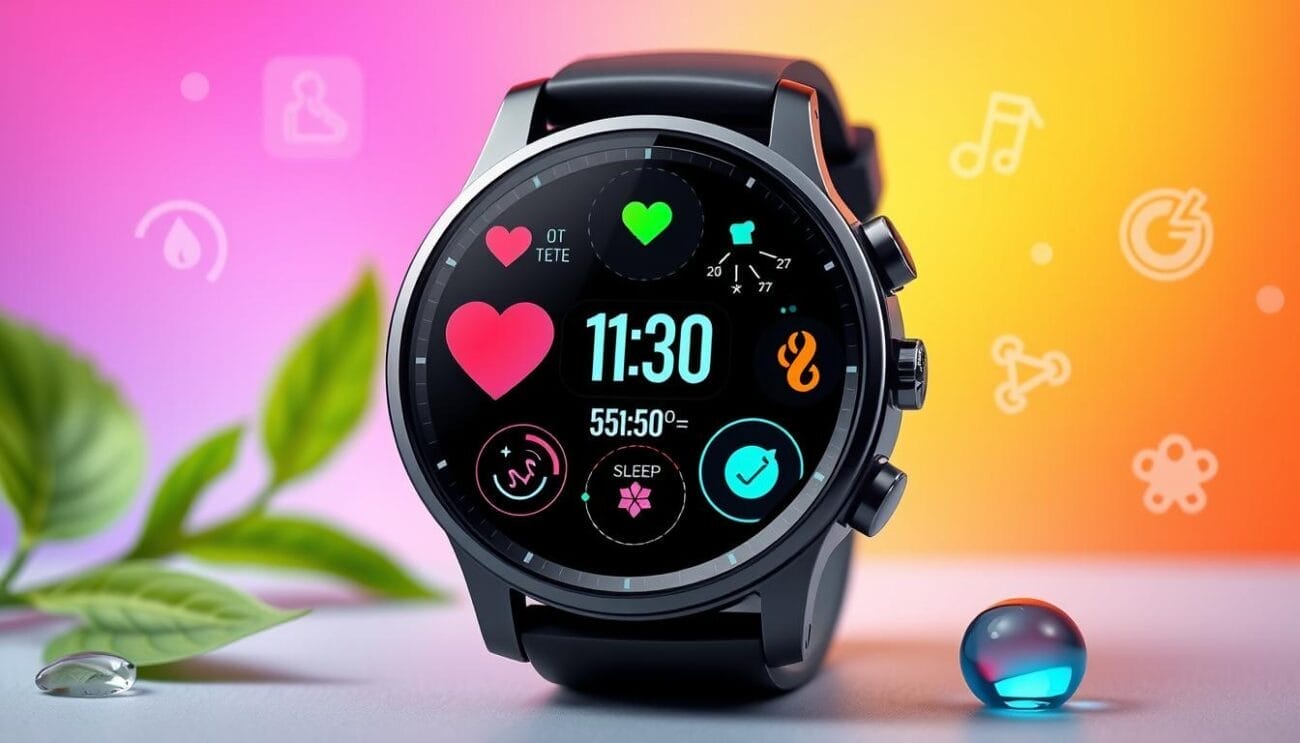
Did you know that 50% of Americans now use wearable devices to monitor their health? This surprising statistic highlights how technology is reshaping the way we approach fitness and well-being. By understanding your body’s signals, you can take control of your health journey like never before.
Devices like heart rate monitors provide valuable insights into your physical activity. They help you optimize workouts, avoid overexertion, and stay on track with your goals. However, it’s important to remember that these tools are not replacements for professional medical advice.
At Fit n Fab Shop, we believe in a holistic approach to wellness. Our health essentials, including herbal supplements, are designed to complement your active lifestyle. Pairing these with the right devices can help you achieve a balanced and heart-healthy routine.
Ready to take the next step? Let’s explore how you can make the most of these tools and elevate your wellness journey.
Key Takeaways
- Wearable devices are used by 50% of Americans to monitor health.
- Heart rate monitors help optimize workouts and prevent overexertion.
- These devices provide valuable data but are not medical replacements.
- Fit n Fab Shop offers herbal supplements to support heart-healthy routines.
- Balancing tech use with professional care is essential for wellness.
What Is Heart Rate Tracking and Why Does It Matter?
Your pulse tells a story about your health and fitness. It’s a simple yet powerful way to understand how your body responds to activity, stress, and even rest. By measuring the number of times your heart beats per minute, you gain insights into your overall well-being.
Understanding Your Heart Rate
Your heart rate, or pulse, is the number of times your heart beats in one minute. A normal resting heart rate for adults ranges from 60 to 100 beats per minute. However, athletes often have lower resting heart rates, sometimes below 60 bpm, due to their heart’s efficiency.

Factors like temperature, emotions, and even body position can temporarily affect your pulse. For example, stress or excitement can cause a spike, while relaxation brings it down. Understanding these changes helps you interpret your body’s signals better.
The Role of Heart Rate in Fitness and Health
During exercise, your heart rate increases to deliver oxygen to your muscles. This is why tracking your pulse during workouts can help you optimize intensity. For instance, staying within your target heart rate zone ensures you’re working hard enough without overexerting yourself.
It’s also important to note the difference between heart rate and blood pressure. While heart rate measures beats per minute, blood pressure gauges the force of blood flow. Both are essential indicators of cardiovascular health. Learn more about these measurements here.
Wearable devices like Fitbit® and Apple Watch® have made it easier than ever to monitor your pulse. These tools provide real-time data, helping you stay on top of your fitness goals. Pairing this technology with stress-relief supplements from Fit n Fab can further support your heart health and overall wellness.
The Key Benefits of Heart Rate Tracking
Your heart’s rhythm holds the key to better workouts and recovery. By keeping an eye on your pulse, you can unlock a deeper understanding of your body’s needs. This simple practice can lead to significant improvements in your fitness and overall well-being.
Improving Cardiovascular Health

Consistent monitoring of your pulse can reveal trends in your cardiovascular health. For example, a lower resting pulse often indicates a stronger, more efficient heart. Over time, you’ll notice improvements in endurance and stamina.
Regular tracking also helps identify abnormal rhythms that may need medical attention. Early detection can prevent serious issues and keep your heart in top shape.
Optimizing Workout Intensity
Knowing your target heart rate zone ensures you’re exercising at the right intensity. For fat burning, staying within 50-60% of your maximum pulse is ideal. This zone maximizes fat metabolism while keeping you safe from overexertion.
Here’s a quick guide to finding your fat-burning zone:
| Age | Max Heart Rate (220 – Age) | Fat-Burning Zone (50-60%) |
|---|---|---|
| 30 | 190 beats per minute | 95-114 bpm |
| 40 | 180 beats per minute | 90-108 bpm |
| 50 | 170 beats per minute | 85-102 bpm |
Monitoring Stress and Recovery
Your pulse isn’t just about exercise—it’s also a window into your stress levels. Heart rate variability (HRV) measures the time between beats, indicating how well your body is recovering. A higher HRV suggests better recovery and lower stress.
Pairing this data with recovery-boosting herbal remedies from Fit n Fab can enhance your post-workout care. These supplements support your body’s natural healing process, helping you bounce back faster.
“Understanding your pulse is like having a conversation with your body. It tells you when to push harder and when to rest.”

By integrating pulse monitoring into your routine, you can achieve a balanced approach to fitness and wellness. Whether you’re optimizing workouts or managing stress, your heart’s rhythm is your guide.
How to Use Heart Rate Tracking for Maximum Wellness
Unlocking your body’s potential starts with understanding its signals. By leveraging data from your pulse, you can optimize your workouts and improve overall wellness. This section will guide you through finding your target zone and incorporating this information into your daily routine.

Finding Your Target Heart Rate Zone
Your target heart rate is the ideal range for your pulse during exercise. It ensures you’re working hard enough to see results without overexerting your body. To calculate your maximum heart rate, use the formula: 220 minus your age.
Here’s a breakdown of the zones based on age:
| Age | Maximum Heart Rate | Target Zone (50-85%) |
|---|---|---|
| 30 | 190 beats per minute | 95-162 bpm |
| 40 | 180 beats per minute | 90-153 bpm |
| 50 | 170 beats per minute | 85-145 bpm |
Staying within this range helps you maximize the benefits of your activity while keeping your body safe.
Incorporating Heart Rate Data into Your Routine
Once you know your target zone, it’s time to put it into action. Start by manually checking your pulse on your wrist. Place two fingers on the inside of your wrist, count the beats for 15 seconds, and multiply by four to get your pulse per minute.
Use this data to adjust your workout intensity. If your pulse is too low, increase your effort. If it’s too high, slow down. Pairing this with energy-boosting supplements from Fit n Fab can enhance your performance and recovery.
Finally, set SMART fitness goals using tools like Garmin®. Track your progress and make adjustments as needed. Real-time feedback ensures you’re always on the right path.
Choosing the Right Heart Rate Monitor for You
Finding the perfect tool to monitor your fitness can make all the difference. With so many options available, it’s essential to understand which device suits your needs best. Whether you’re a casual exerciser or a dedicated athlete, the right monitor can provide accurate data to guide your progress.
Fitness Trackers vs. Chest Strap Monitors
When it comes to heart rate monitors, you’ll typically choose between fitness trackers and chest strap monitors. Fitness trackers, like Fitbit® and Apple Watch®, use optical sensors to measure your pulse. They’re convenient and stylish, making them a popular choice for everyday use.
On the other hand, chest strap monitors, such as the Garmin HRM-Pro, use electrodes to track your pulse. These devices are known for their accuracy, often reaching up to 98%. They’re ideal for intense workouts or triathlon training, where precision is key.
Features to Look for in a Heart Rate Monitor
When selecting a device, consider these must-have features:
- GPS integration: Helps track your routes and distance during outdoor activities.
- Sleep tracking: Provides insights into your recovery and overall health.
- Compatibility: Ensures the device works with your favorite fitness apps and other gadgets.
For example, the Polar H10 is a top choice for its seamless integration with various apps. Pairing it with wearable-compatible activewear from Fit n Fab ensures a smooth monitoring experience.
“The right monitor doesn’t just track your progress—it empowers you to reach your goals.”
By understanding the differences between fitness trackers and chest strap monitors, you can make an informed decision. Choose a device that aligns with your lifestyle and fitness needs to maximize your wellness journey.
Enhance Your Wellness Journey with Fit n Fab Shop
Transform your daily routine with simple yet powerful wellness tools. At Fit n Fab Shop, we believe in a holistic approach to health. Our curated selection of supplements and herbal remedies is designed to support your active lifestyle and help you achieve balance.
Top Supplements and Herbal Remedies for Holistic Health
Boost your cardiovascular health with our omega-3 supplements. These essential fatty acids support heart function and overall well-being. For stress relief, try our ashwagandha tinctures. Known for their calming properties, they help improve recovery and mental clarity.
Turmeric capsules are another must-have. They support your body’s inflammatory response, making them ideal for post-workout recovery. Pair these with Epsom salt blends for muscle relaxation. Simply add to your bath for a soothing experience.
Self-Care Essentials to Support Your Lifestyle
Self-care is a cornerstone of a balanced lifestyle. Our CBD sleep oils are a customer favorite, with 89% of users reporting restorative rest. Create personalized wellness kits with our expert guides. These kits combine our best products to meet your unique needs.
Here’s a quick comparison of our top wellness essentials:
| Product | Key Benefit | Best For |
|---|---|---|
| Omega-3 Supplements | Cardiovascular support | Daily health |
| Ashwagandha Tinctures | Stress relief | Recovery |
| Turmeric Capsules | Inflammatory response | Post-workout |
| Epsom Salt Blends | Muscle relaxation | Self-care |
“Our CBD sleep oils help 89% of users achieve restorative rest.” – Fit n Fab Review
By incorporating these tools into your routine, you can take proactive steps toward better health and well-being. Whether you’re looking to boost energy, reduce stress, or recover faster, Fit n Fab Shop has you covered.
Conclusion: Take Control of Your Health with Heart Rate Tracking
Taking charge of your well-being begins with understanding your body’s signals. Monitoring your pulse can optimize workouts, manage stress, and provide valuable health insights. These tools empower you to make informed decisions about your fitness and recovery.
For expert guidance, follow tips from trusted sources like the Cleveland Clinic and Fit n Fab’s wellness team. Start your journey with our Heart Health Starter Bundle, which includes a monitor and supplements designed to support your goals.
Remember, “What gets measured gets managed.” Track your progress monthly to stay on course. Ready to take the next step? Explore our selection of FDA-approved devices and elevate your wellness journey today.
FAQ
What is heart rate tracking, and why is it important?
Heart rate tracking involves measuring how many times your heart beats per minute. It’s a valuable tool for understanding your fitness level, optimizing workouts, and monitoring overall health.
How can tracking my heart rate improve my workouts?
By keeping an eye on your pulse, you can ensure you’re exercising at the right intensity. This helps you burn calories efficiently, build endurance, and avoid overexertion.
What’s the difference between resting and target heart rate?
Your resting heart rate is the number of beats per minute when you’re at rest, while your target heart rate is the ideal range for exercise. Both are key indicators of fitness and health.
Can heart rate tracking help with stress management?
Absolutely! Monitoring your pulse can reveal how stress affects your body. It also helps you identify when to take breaks or practice relaxation techniques for better recovery.
What should I look for in a heart rate monitor?
Consider features like accuracy, comfort, and ease of use. Chest strap monitors are often more precise, while wrist-based devices like Fitbit or Garmin are convenient for daily wear.
How do I find my target heart rate zone?
Subtract your age from 220 to estimate your maximum heart rate. Your target zone is typically 50-85% of that number, depending on your fitness goals.
Can heart rate tracking improve my overall health?
Yes! It helps you stay active, manage stress, and make informed decisions about your fitness routine. Over time, this can lead to better cardiovascular health and well-being.
Are there supplements or self-care products that support heart health?
Absolutely! Products like omega-3 fatty acids, magnesium, and herbal remedies such as hawthorn can complement your wellness journey. Pair them with a balanced lifestyle for the best results.