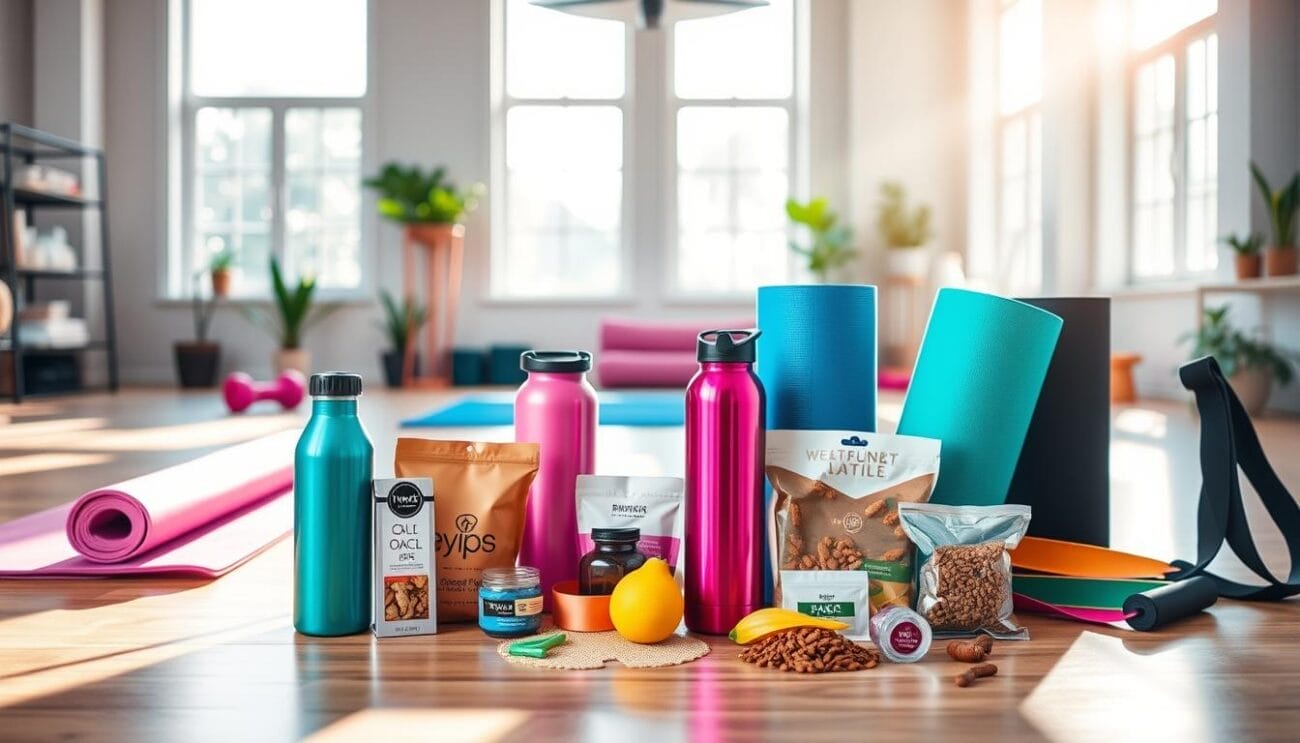
Prioritize your wellness with clear, doable steps that fit your busy day. You can use short, evidence-based methods to support your health and mental health without a long routine.
Rooted in ancient meditation but used in schools and hospitals now, these approaches help lower blood pressure, improve sleep, and ease pain. You’ll learn how to bring attention to the present moment during walking, eating, or brief pauses at work.
Expect a warm, expert guide to five quick techniques, a simple routine to return to, and suggestions of holistic tools from Fit n Fab Shop to make your at-home setup inviting. Start small, build steadily, and notice the real benefits in stress and daily energy.
Key Takeaways
- Short attention habits can reduce anxiety and improve sleep.
- Use simple steps in daily life to boost health and mental health.
- Five quick techniques make consistency easy.
- Tools like cushions and journals help make the habit stick.
- Start small so progress feels steady, not stressful.
Mindfulness basics and why they work for your well-being
Let’s define the core skill you’ll use: gentle attention to present moment signals in your body and environment.
What it is
Mindfulness means noticing thoughts, feelings, body sensations, and surroundings with curiosity and kindness. You pay nonjudgmental awareness to what’s happening in your mind and body. When your thoughts wander, you simply return your attention to breath or sensations.
Science-backed benefits
Research shows clear health outcomes. Short programs lower stress and blood pressure. They also reduce anxiety and depression and improve sleep.
- Reduced worry: people report fewer ruminative cycles.
- Better coping: studies show improved pain management and quality of life.
- Lasting impact: attention training strengthens emotional balance over time.
Debunking myths
“It’s not about emptying your head or sitting silently for hours.”

This isn’t a fad, and it’s not only formal meditation. Most people can use short moments—walking, eating, or pausing at work—to build the skill. Make it personal and steady.
Prioritize your health with Fit n Fab Shop’s selected essentials. Explore Amazon’s top supplements and self-care tools to support daily habits and help you feel your best—inside and out.
Five quick mindfulness practices you can use today
Use these five one-minute tools to ground your attention and refresh your focus during the day. Each is short, repeatable, and needs no special setup.
Breathing with attention: anchor your mind and ease anxiety
One-minute breathing reset: watch your natural breath, notice the pause between inhale and exhale, and gently return your attention when thoughts wander. This lowers stress fast.
Body scan: notice sensations head-to-toe without judgment
Start at the feet and move upward. Pause at each area and note temperature, pressure, or tingling. Do not try to change the body—just observe sensations.
Mindful walking: use the contact of your feet to return to the moment
Walk slowly for one minute. Feel the soles of your feet and leg muscles. Use those sensations as a steady cue to come back to the present.

Mindful eating: slow down to improve awareness of hunger, fullness, and food quality
Take a single bite and fully see, smell, and taste it. Chew slowly and notice texture. This helps you become aware of hunger and fullness and supports healthier choices around food.
Mindful listening: tune into sounds to sharpen focus and calm the mind
Sit quietly and let sounds arrive without labeling them. If you name a noise, let the label go and return to raw listening to reset your attention.
| Practice | Duration | Key Cue | Main Benefit |
|---|---|---|---|
| Breathing reset | 1 minute | Pause between breaths | Reduces stress quickly |
| Micro body scan | 1–2 minutes | Feet → head | Calms nervous system |
| Mindful walking | 1–3 minutes | Soles of feet | Anchors attention in the moment |
| Mindful bite | 30–60 seconds | Sight, smell, taste | Improves food awareness |
| Listening minute | 60 seconds | Raw sound | Sharpens focus |
Keep it short and repeatable. One-minute actions fit into any schedule and help you return to your day with calm. Ready to boost your health naturally? Explore shop essentials like cushions and journals to support practicing mindfulness.
Build a simple daily routine to strengthen your mindfulness practice
Set up a brief, reliable ritual each day to grow skills that steady your mind.
Start small. Choose a realistic window of time—two to five minutes—so you build skills without feeling overwhelmed.

Stack this habit onto existing patterns, such as after brushing your teeth or before opening email. Small links to daily actions make the routine nearly automatic.
- Begin each morning with a short check-in: note how your mind feels and pick one action that reduces stress today.
- Use brief breaks between tasks—three slow breaths or 60 seconds of listening—to reset attention.
- Create an evening wind-down: dim lights, silence devices, and do a short body scan to support sleep and mental health.
Keep your corner inviting: a cushion, a journal, a timer, or calming aromatherapy from Fit n Fab Shop can turn routine into ritual. Track what works and be gentle if you miss a day—consistency over weeks, not perfection, changes life.
“Just because something is simple, doesn’t mean that it’s easy.”
Learn simple exercises to help you get started at the Mayo Clinic and explore shop essentials to support your routine: simple exercises, shop essentials.
Mindfulness-based stress reduction and cognitive therapy, explained
Two structured programs—one designed to ease prolonged stress, the other to reduce relapse in recurrent low mood—teach clear skills you can use each day.
Mindfulness-Based Stress Reduction (MBSR) is an eight-week curriculum that trains attention, body awareness, and gentle movement to lower physiological stress responses. Research shows MBSR helps reduce anxiety, improve sleep, and support stress reduction while boosting daily functioning.
MBSR and MBCT essentials: how they train attention and shift thought patterns
Mindfulness-Based Cognitive Therapy (MBCT) blends meditation, breathing, and stretching with elements of cognitive therapy to interrupt negative thought patterns. MBCT teaches decentering so you view thoughts as events, not facts.
Both programs build concentration and resilience through guided sessions, inquiry, and home rehearsal. Typical sessions include guided meditation, mindful movement, and brief group discussion.
Who benefits: people managing stress, recurring depression, and challenging symptoms
- People facing recurring depression—NICE recommends MBCT to prevent relapse.
- Those with persistent anxiety, sleep issues, or stress-related symptoms.
- Anyone who wants better concentration and tools to respond rather than react to stress.

“Training attention and decentering helps you notice thoughts without being swept away by them.”
Use simple supports at home— a comfortable seat, a timer, and a journal— to make daily work inviting. Explore supportive self-care tools at Fit n Fab Shop like meditation cushions and journals to complement MBSR and MBCT while you build habits that improve your mental health.
Use the PEMSS approach for whole-person self-care
A short PEMSS self-check helps you target simple steps that support whole-person health. Use this quick scan to notice which area needs attention now and pick one small action you can do today.
Physical, Emotional, Mental, Spiritual, Social: a quick self-check to guide targeted actions
PEMSS stands for Physical, Emotional, Mental, Spiritual, and Social health. Ask simple questions in each area to become aware of what you need.
- Physical: Scan sleep, movement, and nourishment. Small changes support better physical health and boost overall health well-being.
- Emotional: Notice your feelings and do one kind thing for yourself, like a warm bath or a short pause with gentle breathing.
- Mental: Look for negative thought patterns or rumination and use a brief mindfulness practice to refocus attention.
- Spiritual: Add a gratitude note, time in nature, or quiet reflection to feel grounded.
- Social: Reach out to people who lift you up and set boundaries with screens to lower stress.
Build skills with tiny routines: scheduled pauses, device shutdowns, or soft music while you unwind. Use your environment as an ally—keep a gratitude journal, essential oils, or a yoga mat visible so action feels easy.
Revisit PEMSS weekly to spot patterns and adjust your plan, keeping your life aligned with what restores you.
Holistic essentials to support your practice and health naturally
Create a cozy corner at home with a few targeted items that support calm, sleep, and focus. These small changes make starting simple and increase the chance you keep up the habit.
Top supplements to consider for stress and sleep support
Consider evidence-informed categories such as magnesium, certain herbal blends, and low-dose melatonin to aid sleep and reduce stress. Always pair choices with clinician guidance to keep use safe and personal.
Herbal remedies to complement relaxation
Gentle teas—chamomile, lemon balm, or lavender—can ease the transition to evening. These options may help anxiety and support mood without replacing core routines.
Self-care tools: journals, mats, cushions, and aromatherapy
Set up a practice corner with a cushion or yoga mat, a simple journal, and a diffuser with calming oils. This reduces friction so you can begin a short activity in under a minute.
- Build a wind-down with aromatherapy to help your body and sensations soften.
- Pick a supportive cushion or mat to make sitting and movement comfortable.
- Use a journal to track what helps your mental health and sleep quality.
“Small, chosen tools make starting easier and keep you consistent.”
Prioritize your wellness with Fit n Fab Shop’s curated articles and explore Amazon’s top supplements to help people feel their best—inside and out.
Troubleshooting common obstacles to practicing mindfulness
When time, low drive, or uneasy feelings block your plan, gentle resets help you return without pressure. Start by noticing what stops you—guilt about taking breaks, rigid expectations, or poor boundaries—and then pick one tiny change.
When time, motivation, or uncomfortable feelings get in the way
Shrink the goal. If time is tight, do a sixty-second reset and repeat later in the day. Short bursts keep skills active without adding stress.
Use cues to restart. Set a visible cushion, journal, or timer so your mind sees an invitation. Fit n Fab Shop’s simple tools—timers, journals, and soothing scents—make restarting easier when motivation dips.
Name and feel. When strong feelings arise, label them and notice where they sit in the body. Breathe with that sensation for a few cycles to build tolerance and choice.
“Each small return is progress; kindness to yourself keeps habit alive.”
| Barrier | Quick response | Tool | Benefit |
|---|---|---|---|
| Lack of time | 60-second resets | Phone timer | Sustains momentum |
| Low motivation | Set visible cues | Journal, cushion | Gentle reminders |
| Uncomfortable feelings | Name + body check | Soothing scent | Builds tolerance |
| Distraction patterns | Device shutdowns | Do-not-disturb | Protects attention, reduces stress |
Watch for patterns that derail you—late-night scrolling or skipped breaks—and replace them with a one-minute reset. On heavy days, pick the easiest entry like walking or listening so people can maintain momentum without forcing a long sit-down session.
If persistent symptoms such as anxiety or low mood continue, pair brief work with support from your care team. Recommit to tiny, repeated skills; consistency rewires habits more than occasional long sessions. Explore how to overcome common obstacles in a helpful guide at overcoming practice hurdles.
Conclusion
C in a few simple steps you can weave calm into busy days and protect your health and focus. ,
Keep it small. One breath, a minute of listening, or a short body scan each day helps many people lower stress and improve sleep. Evidence shows reduced anxiety and depression and better blood pressure with steady work; see a concise research review.
Pair your routine with tiny supports—a cushion, diffuser, or journal—to capture sensations and grow concentration. If symptoms persist, combine these approaches with professional care. Prioritize your wellness with Fit n Fab Shop’s selected health items and explore Amazon’s top supplements to boost your quality of life.
FAQ
What is present-moment awareness and how can it help your mental health?
Present-moment awareness means paying attention to your thoughts, feelings, bodily sensations, and surroundings without judging them. When you practice this regularly, you improve concentration, reduce repetitive negative thought patterns, and often notice anxiety or depressive symptoms earlier. That gives you more options—pause, breathe, and choose a response rather than reacting automatically.
How quickly can you feel benefits like reduced stress or better sleep?
Many people notice small changes after a few days of short, consistent attention exercises—better sleep, calmer mornings, or less reactivity. More consistent benefits for stress reduction, lower blood pressure, and improved pain coping often emerge after 6–8 weeks of regular practice, especially when combined with programs like Mindfulness-Based Stress Reduction (MBSR).
Do you need to sit still for long periods to get results?
No. Short, focused moments of attention throughout your day—breathing for one minute, a brief body scan while lying in bed, or mindful walking to your car—offer measurable benefits. The key is consistency and intention, not marathon sessions. Use small practices to build concentration and quality of attention over time.
What is a simple breathing anchor you can use when anxiety spikes?
Try a 4-4-4 box breath: inhale for four counts, hold four, exhale for four. Focus on the air moving in and out and the rise and fall in your chest or belly. This anchors your attention, slows your heart rate, and interrupts the stress response so you can make calmer choices.
How does a body scan help with chronic pain or tension?
A body scan trains you to notice sensations without judgment. By mapping tension or pain from head to toe, you learn where you hold stress and when sensations change. That awareness can reduce secondary suffering—worry about pain—and improve your ability to use targeted self-care or medical strategies.
Can mindful eating actually change your relationship with food?
Yes. Slowing down and paying attention to taste, texture, hunger, and fullness helps you recognize true hunger versus emotional cues. Over time, you may make healthier choices, enjoy meals more, and reduce overeating—which supports physical health and quality of life.
What’s the difference between MBSR and MBCT, and who should consider them?
MBSR (Mindfulness-Based Stress Reduction) focuses on stress, pain, and general health improvement through attention training and body awareness. MBCT (Mindfulness-Based Cognitive Therapy) blends attention training with cognitive techniques to prevent relapse in recurrent depression. People with chronic stress, recurring depressive episodes, or persistent anxious patterns often benefit from these structured programs led by trained instructors.
How can you build a daily routine that sticks without overwhelming your schedule?
Start small: choose one anchor practice—a brief breathing exercise or a two-minute body scan—and attach it to an existing habit like brushing your teeth. Gradually add practices, such as mindful walking during lunch or a short mindful listening exercise in the evening. Consistency matters more than duration.
What does the PEMSS approach involve and how do you use it?
PEMSS stands for Physical, Emotional, Mental, Spiritual, and Social. Use it as a quick self-check: notice needs in each domain, then pick one targeted action (stretch, name an emotion, schedule focused work time, connect with a value-driven activity, reach out to a friend). This whole-person lens helps you create balanced, practical self-care.
Which supplements or herbal remedies support relaxation and sleep?
Some people find melatonin, magnesium, or herbal options like chamomile and valerian helpful for sleep and relaxation. Always consult a healthcare provider before starting supplements, especially if you take medications or have medical conditions. Supplements can complement attention training but don’t replace professional care when needed.
What environmental tools help sustain your attention practice at home?
Simple tools—comfortable cushions, a quality yoga mat, a journal, and calming aromatherapy like lavender—can create a consistent cue to practice. Designate a small, clutter-free corner and use the same spot to build a habit. The environment supports your focus and signals your brain that it’s time to slow down.
How do you handle discomfort, strong emotions, or boredom during practice?
Notice the impulse to push away or chase feelings, then invite curiosity. Label what you’re experiencing—“anger,” “tightness,” “boredom”—and gently return attention to your anchor. Over time you’ll learn that discomfort shifts when met with steady, accepting attention rather than avoidance.
What if you don’t have time or motivation—how can you stay consistent?
Make practice tiny and tied to routine activities: one mindful breath before coffee, a two-minute body scan after waking, or mindful listening during a shower. Use reminders, habit stacking, and accountability—an app, a friend, or a short daily log—to protect small, repeatable steps that add up.
Can attention training improve concentration at work or during study?
Yes. Short, repeated attention exercises strengthen your ability to focus and reduce distractibility. Practices that train your mind to notice when it wanders and gently return to the task improve productivity, decision-making, and your experience of daily activities.
When should you seek professional help instead of only using self-guided techniques?
If you notice worsening anxiety, persistent depression, suicidal thoughts, or physical symptoms that interfere with daily life, seek professional support from a mental health clinician or medical provider. Self-guided attention work can help, but clinical care, therapy, or medication may be necessary for safety and recovery.