


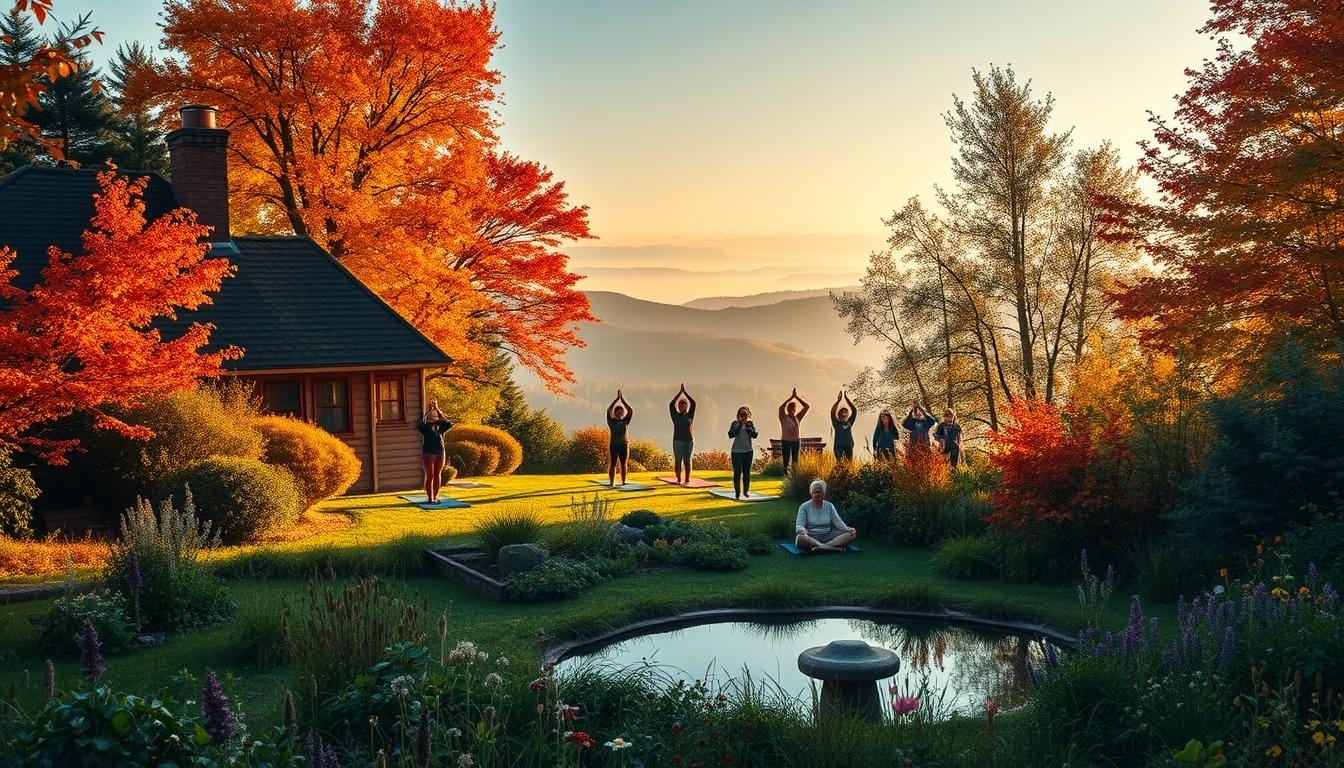
Surprising fact: nearly one in three people report feeling high levels of stress during the fall, yet small daily shifts can cut that number dramatically.
You’ll use this guide to map simple November routines that nourish your mental health and overall health. Each observance gives a gentle nudge to reflect, reset, and take actions that stack into real change.
Start with short practices for the first weeks, then build toward community events mid-month, and finish with habits you can keep long after the season ends. Learn how kindness, movement, sleep, and focused breathing work together to lower stress and boost resilience.
Explore workplace resources on workplace wellness in November and consider how Fit n Fab Shop’s curated self-care can simplify your choices so you feel better faster.
Key Takeaways
- Small, daily steps reduce stress and improve your health over time.
- Use early-week gentle practices and mid-month community events to build momentum.
- Kindness, sleep, movement, and breathing are linked and reinforce resilience.
- Track micro-moments of calm that fit into any schedule.
- Leverage workplace programs and curated products to stay consistent.
Why November Is Your Moment to Prioritize Mental Health
With several observances clustered together, this month invites you to prioritize mental health and practical self-care. These prompts make it easier to give attention to what often gets pushed aside.
Start small: reflect on stress triggers, lean into kindness, and connect with support. National Stress Awareness Day, World Kindness Day, Survivors of Suicide Loss Day, and Movember form a helpful cadence across the month.
Use this awareness month to anchor routines in sleep, movement, nutrition, and social connection. Treat mental health as essential health so you can think clearly and make steadier choices.
- Build momentum: begin with stress reflection, move toward community, and sustain simple habits.
- Choose sustainable tweaks: small, consistent changes beat one-time overhauls.
- Support your routine: prioritize easy tools from Fit n Fab Shop to simplify care while you focus on mindset and rest.
For more on specific observances and how to plan your month, see mental health-related holidays that can guide your attention and actions.
National Stress Awareness Day: Simple Ways to Reduce Stress on the First Wednesday
Mark the first Wednesday as a practical reset for your body and mind. Use short, clear steps so you can act now and keep going.
Mindful pauses: guided breathing, short meditations, and relaxation breaks
Block 5–10 minutes several times today for guided breathing or a brief meditation. These pauses help you respond instead of react.
Movement that lifts mood: walking, yoga, or a quick dance session
Take mini-breaks for a brisk walk, gentle yoga flow, or a quick dance. Movement reduces tension and boosts mood fast.
Sleep hygiene reset: aiming for 7–9 hours with daytime stress reduction
Plan for 7–9 hours tonight. Cut screens before bed and use daytime calming habits to improve sleep.
Balanced nourishment: more whole foods, fewer ultra-processed picks
Choose fruits, vegetables, and lean protein to stabilize energy and lower stress spikes. Small swaps add up.
“Short, regular resets are one of the most reliable ways to lower daily stress and protect long-term health.”
| Quick Strategy | Time | Benefit | Try with |
|---|---|---|---|
| Guided breath | 5 min | Calms nervous system | Calming tea, earplugs |
| Mini-movement | 10 min | Releases tension | Walk, yoga mat |
| Sleep reset | Night routine | Better rest | Magnesium, sleep support |
- Set limits on notifications and carve a no-screen wind-down.
- Pack a tiny self-care kit so relief is within reach during the day.
- Track which strategies help, then repeat them twice more this week to build habit and support stress management.
World Kindness Day Ideas to Boost Mood and Community on November 13
Celebrate World Kindness Day by planning small, intentional gestures that spread warmth across your community. This awareness day invites you to act with purpose so both you and others feel better fast.
Acts that release “happy chemicals” and reduce stress
Plan two simple acts today — send a sincere thank-you, buy a coffee, or check in on someone. These acts kindness moments prompt dopamine and oxytocin release and lift your mood quickly.
Gratitude notes and shout-outs to strengthen support
Write quick gratitude notes or public shout-outs to people who helped you. Short messages strengthen your network and remind others they matter.
“Small gestures ripple outward—what feels tiny to you can be huge for someone else.”
- Consider a community-minded gesture: donate items or volunteer an hour to amplify impact.
- Host a five-minute “kindness break” with your team to name who you appreciate and why.
- Keep a short list of go-to ideas so you can act when you feel stuck.
Share a kindness kit from Fit n Fab Shop — small self-care gifts or relaxation tools you can hand out at work or to neighbors. A ready kit makes raising awareness simple and turns good intentions into repeatable habits. Learn more about a curated kindness kit from Fit n Fab.
International Survivors of Suicide Loss Day: Ways to Seek Support and Support Others
This awareness day creates space for honest remembrance and practical care. It falls on the Saturday before Thanksgiving and unites people who have been touched by suicide.

Attend or host a local memorial, a virtual support group, or a quiet reflection space. Sharing stories helps you honor lives and feel less alone.
Find or lead community memorials and safe reflection spaces
Look for vetted support groups or events led by trusted organizations. Invite a family member or friend to come with you so it feels less daunting.
Share vetted resources and encourage help-seeking without stigma
Prepare a short list of hotlines, counseling programs, and local resources. Listen without judgment, avoid minimizing language, and gently encourage others to seek support early.
“Connecting in a compassionate space makes it easier to ask for help and to hold one another through grief.”
| Option | What it offers | When to use | How to start |
|---|---|---|---|
| Memorial services | Shared remembrance | Day of event | Check local listings |
| Support groups | Peer listening & coping tools | Weekly/monthly | Contact community centers |
| Crisis hotlines | Immediate help | Anytime | Save numbers in phone |
| Counseling programs | Professional therapy | Ongoing care | Ask providers for referrals |
Self-care tip: if you’re supporting others, consider gentle tools from Fit n Fab Shop—comforting teas, calming aromatherapy, and journaling aids—to help you process and rest.
Movember: Month-Long Activities that Promote Men’s Mental Health
Movember invites you to turn a simple gesture into a month-long push for men’s health and open conversation.
Started in Melbourne in 2003, Movember asks people to grow a mustache, get active, and spark talks that lower stigma. Funds go to research and programs that improve access to care and help save lives.
Grow a mustache, get moving, and break the silence
Pick one visible goal: facial hair, a step challenge, or weekly coffee check-ins. These simple acts make it easier to raise awareness and invite real conversations about mental health.
Fundraise and back proven programs
Set a clear fundraising target and spotlight trusted organizations and programs that support suicide prevention and broader health awareness. Invite friends and coworkers to join a team and celebrate milestones together.
“Addressing stigma saves lives—consistent support keeps men connected, active, and resilient.”
- Model seeking care: book a check-in, join a peer group, or start daily de-stress habits.
- Pair goals with recovery-friendly tools from Fit n Fab Shop—fitness accessories and stress-relief supports to keep momentum high.
november mental wellbeing activities for Workplaces and Groups
Create small workplace rituals that teach stress management and build connection across teams. Start with a short lunch-and-learn led by an expert who shows quick breathing and planning tools, and remind staff how to access employee assistance confidentially.
Set up a quiet “zen” room stocked with aromatherapy, calming teas, stretch bands, and simple self-care kits from Fit n Fab Shop. Encourage a midday self-care break for a walk, journaling, or a brief guided meditation or gentle yoga stretch.
Use team events to deepen bonds: creative arts, cooking, or a philanthropic build that pairs purpose with play. Run a weekly recognition ritual—peer shout-outs—to raise morale and trust.
“Small, repeatable supports at work make stress easier to manage and help teams stay focused and kind.”
| Option | What it does | When to use | How to start |
|---|---|---|---|
| Lunch-and-learn | Teaches stress skills | Monthly | Invite a clinician or coach |
| Zen room | Offers quiet resets | Daily access | Stock basics from Fit n Fab Shop |
| Team event | Builds connection | Quarterly | Plan with HR or volunteers |
Follow up with a one-page resource list so people can use these workplace resources immediately and keep support going past the awareness month.
Community and Family: Events and Programs that Raise Awareness
Bring your neighborhood together with simple events that turn conversation into connection. Small gatherings make it easier for families and groups to learn, share, and find local resources.
Open mic nights or storytelling circles give people a safe place to speak and listen. These events spark empathy and let you hear diverse lives without judgment.
Open mics, art exhibits, and film discussions that foster empathy
Host an art show featuring pieces about health and recovery. Pair screenings with guided discussion to turn feelings into helpful dialogue.
Wellness fairs with screenings, mindfulness stations, and local resources
Run a mini wellness fair with brief screenings, meditation corners, and resource tables. Invite local organizations and programs so attendees leave with next steps.
“Small public moments build trust and point people to ongoing care.”
- Invite families and friend groups to join workshops and try simple practices together.
- Partner with vetted organizations to connect attendees to screenings, counseling, and support programs.
- Plan accessibility features: quiet rooms, clear signage, and flexible formats so more people can engage.
Create an at-home wellness fair using Fit n Fab Shop picks—mindfulness tools, sleep support, and recovery aids your family can try together. This makes follow-up practice easy and familiar.
| Event Type | What to Offer | Who to Invite | Outcome |
|---|---|---|---|
| Open mic / Story circle | Microphone, time slots, moderator | Neighbors, local artists, family | Shared stories, increased empathy |
| Art exhibit / Film night | Curated works, guided discussion | Schools, civic groups, families | Accessible conversation, fresh perspectives |
| Wellness fair | Screenings, mindfulness station, resource table | Health orgs, support groups, community centers | Connections to resources and programs |
| At-home fair kit | Mindfulness tools, sleep aids, recovery items | Family, friends, small groups | Practical practices you can keep using |
Daily Practices That Sustain Mental Well-Being Beyond the Holidays
Simple, repeatable habits keep your energy steady and make stress easier to handle. Start with small changes that fit your day and build from there.
Consistent sleep, mindful attention, and movement you enjoy
Aim for 7–9 hours of sleep each night. Bookend your day with a calm morning and a consistent wind-down to protect sleep and stabilize mood.
Add short meditation breaks, breath work before emails, or a two-minute body scan. These tiny steps reduce stress without reshaping your whole schedule.
Move in ways you like—walks, stretching, or light workouts. Consistent movement boosts focus and lifts your mood.
Self-care micro-moments and journaling to manage stress day-to-day
Carry a low-lift journal and note triggers, wins, and coping strategies. Tracking patterns helps you repeat what works and drop what doesn’t.
Set hydration, sunlight, and stretch reminders so small actions become steady stress management tools.
Support your routine with trusted supplements and self-care tools from Fit n Fab Shop
Use simple supports—sleep aids, calming teas, or tension-relief tools—to make it easier to stick with healthy habits night after night.
“Consistent micro-habits plus the right supports make long-term stress reduction realistic and repeatable.”
| Practice | How Long | Benefit | Easy Start |
|---|---|---|---|
| Sleep routine | Nightly | Better rest, stable energy | Wind-down ritual, sleep aid |
| Two-minute mindfulness | 2 min | Lowered stress | Breath before emails |
| Enjoyable movement | 15–30 min | Improved mood & focus | Walk, stretch, light workout |
| Journaling | 5 min | Clearer coping choices | Note triggers & wins |
Conclusion
Let these calendar cues guide simple acts that make stress easier to manage every week.,
Use the built-in prompts—from the first Wednesday stress awareness day to World Kindness Day and Movember—to create steady habits. Keep the best small practices and let them anchor your routine beyond the month.
Prioritize your wellness: explore Fit n Fab Shop’s curated health and wellness essentials and Amazon’s top supplements and herbal remedies to support a balanced life. These tools make it easier to turn ideas into lasting care.
You’ll notice how brief pauses, kind gestures, and gentle movement shift your sense of calm. Stay attentive, reach out for support early, and keep sharing these steps to help raise awareness and protect everyday life.
FAQ
What are simple stress-reduction steps you can try on National Stress Awareness Day?
Try short guided breathing, a five-minute meditation, or a brief walk to reset your nervous system. Limit screen time during breaks, sip water slowly, and practice progressive muscle relaxation to ease tension. These small pauses lower stress fast and are easy to repeat throughout your day.
How can you celebrate World Kindness Day to lift your mood and help others?
Send a handwritten note, offer sincere compliments, or volunteer an hour to a local charity. Random acts like paying for someone’s coffee or leaving a gratitude message for a coworker create positive connections and boost your sense of purpose and belonging.
What is the best way to support someone after a suicide loss?
Offer a listening ear without judgment, share vetted resources such as the American Foundation for Suicide Prevention, and encourage participation in community memorials or support groups. Respect their pace, check in regularly, and help with practical tasks to reduce overwhelm.
How can Movember activities help improve men’s mental health?
Growing a mustache, organizing group walks, or hosting conversations about feelings normalizes help-seeking. Fundraising for research and joining programs focused on suicide prevention create safe spaces for men to talk and access support.
What workplace programs reduce stress and build team morale?
Schedule lunch-and-learns on stress management, promote Employee Assistance Programs, and offer short guided meditation or yoga sessions. Create quiet “zen” spaces, allow midday self-care breaks, and add peer recognition rituals to strengthen connection.
What community events encourage mental health awareness?
Host open mics, art exhibits, or film discussions that spark empathy and conversation. Wellness fairs with screenings, mindfulness stations, and booths from local organizations connect people to resources and reduce stigma.
How do you maintain healthy sleep habits during a busy month?
Aim for a consistent bedtime, keep screens out of the bedroom, and wind down with a calming routine like reading or gentle stretching. Limit caffeine after mid-afternoon and create a dark, cool sleeping environment to support restorative rest.
What daily practices help sustain emotional balance beyond the holidays?
Keep a short journal, practice five minutes of mindful attention each day, and move in ways you enjoy—walking, yoga, or dancing. Build small rituals that ground you and lean on trusted friends or professional help when things feel heavy.
Are there easy nutrition or supplement tips to support mood?
Focus on whole foods, regular meals, and limiting highly processed options. Omega-3s, vitamin D, and a balanced diet can support brain function, but consult your healthcare provider before starting supplements to ensure safety and fit for your needs.
Where can you find vetted resources and programs locally or online?
Look to national organizations like the National Alliance on Mental Illness (NAMI), the Substance Abuse and Mental Health Services Administration (SAMHSA), and the American Psychological Association for directories and local referrals. Community health centers and Employee Assistance Programs also offer trusted support.


