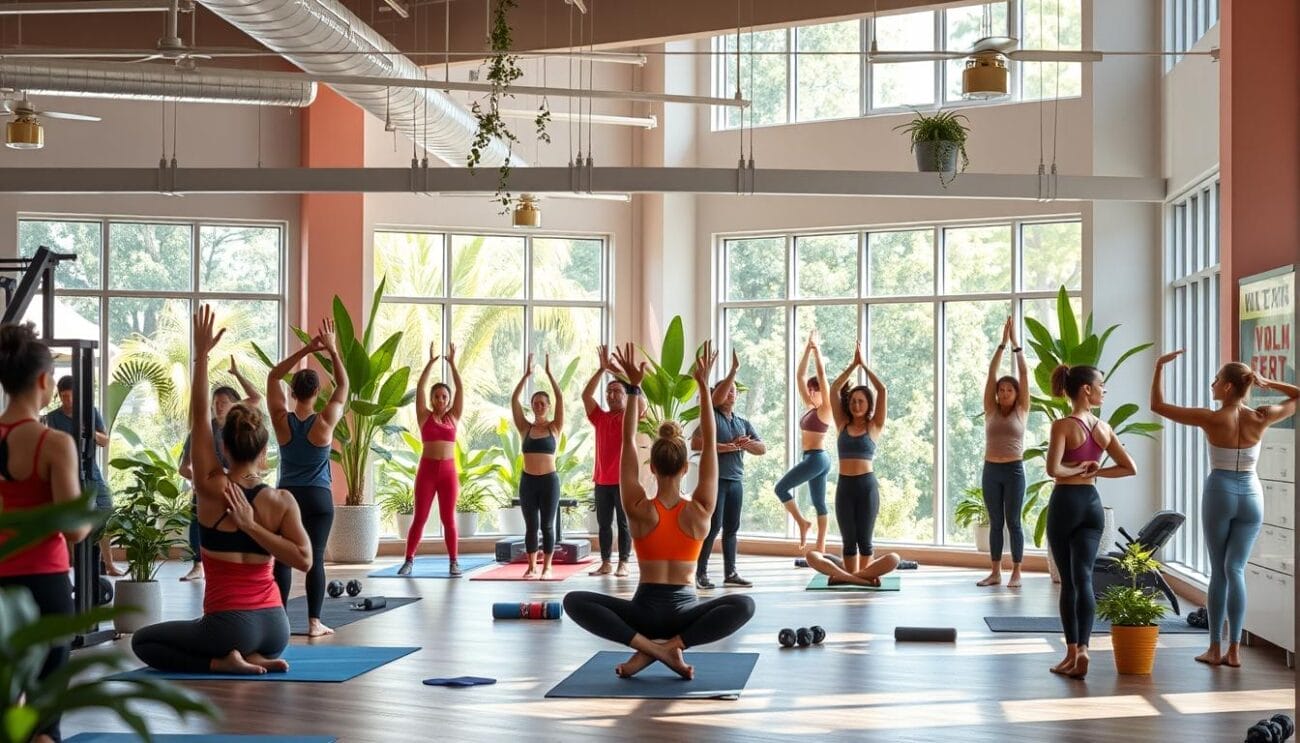
Did you know that 31% of adults worldwide are inactive and 81% of teens miss recommended activity levels? That gap adds up fast, raising costs and reducing energy across communities.
This guide helps you connect moving more with feeling better. You’ll find simple steps that fit your age, schedule, and goals. Learn how walking, gardening, and short workouts stack into real benefits over time.
We include clear, science-backed tips on aerobic work, strength moves, balance drills, and bone support. Small changes break long sitting spells and boost mood, sleep, and focus.
Ready to take practical steps? You’ll also see Fit n Fab Shop’s top picks and Amazon finds to support recovery, stress relief, and better rest. Start with tiny wins and build momentum week by week.
Key Takeaways
- Any movement matters — short sessions add up to big gains.
- Combine aerobic, strength, balance, and bone-support routines.
- Use real-life tasks, like walking and gardening, to boost activity.
- Adapt plans by age and ability for steady progress.
- Support recovery with curated wellness essentials for consistency.
Why Your Physical Health Matters for Disease Prevention
Small, regular movement shifts your future risk toward longer, better living. Even modest increases in activity cut all-cause mortality risk by about 20–30% and lower major disease chances over time.
Inactivity is rising worldwide and could hit 35% by 2030. That trend costs public systems roughly US$27 billion per year between 2020 and 2030. Yet simple choices—walking, short strength sets, or active transport—change your personal risk quickly.
The big picture: how moving more protects you
- You protect multiple body systems with regular activity, improving mood, sleep, and daily function.
- Small bouts add up. The total amount you do across home, work, and play matters most.
- Target gaps where levels are lowest—such as among women and children adolescents—by creating easy opportunities.
| Issue | Effect of Inactivity | Simple Action |
|---|---|---|
| Mortality risk | +20–30% higher | Walk 10–20 minutes, 2–3 times daily |
| Population cost | ~US$27 billion per year | Promote walkable routes and parks |
| Lower activity groups | Women ~5% less active | Encourage inclusive programs and short classes |

Prioritize your wellness with Fit n Fab Shop picks and explore trusted options on Amazon to support daily recovery and rest. Start small, build consistency, and shop wellness essentials that help you feel your best.
Physical Health and Disease Prevention: The Science-Backed Benefits
Movement delivers fast brain perks — better focus for kids and reduced anxiety for adults. You can feel sharper after a single session of moderate-to-vigorous activity. This quick win helps children aged 6–13 with attention and gives adults an immediate mood lift.
Over weeks and years, regular activity builds powerful protection. Routine movement improves blood pressure, lowers type 2 diabetes risk, and reduces chances of heart disease, stroke, and several cancers. Pair aerobic work with muscle-strengthening for the biggest gains.
Children and adolescents benefit in growth, bone strength, motor skills, and learning. Older adults preserve function and independence when they add balance and strength work, which cuts fall and hip fracture risk.
- You get fast mood and cognition boosts after one session.
- Consistent activity improves cardio-metabolic markers and blood measures.
- Kids build bones and brain skills during key growth years.
- Older adults keep independence with multicomponent routines.
| Group | Immediate Benefit | Long-term Benefit |
|---|---|---|
| Children & adolescents | Sharper attention, improved focus | Stronger bones, better motor/cognitive development |
| Adults | Lower short-term anxiety, clearer thinking | Reduced heart disease and type 2 diabetes risk |
| Older adults | Better balance, steadier mood | Fewer falls, preserved function and independence |
Start small and build steadily. Follow guidelines that stress any movement counts. Prioritize your wellness with Fit n Fab Shop’s carefully selected health and wellness essentials. Explore Amazon’s top supplements, herbal remedies, and self-care products to support your holistic lifestyle. Ready to boost your health naturally? Shop now and discover the power of a balanced, vibrant life!
How Much Activity You Need Each Week to See Real Results
When you map minutes across the week, small sessions quickly add up to real results. Follow clear guidelines so effort becomes a steady habit that pays off over months and years.

Adults: weekly targets that work
Adults should aim for at least 150 minutes per week of moderate-intensity physical activity or 75 minutes of vigorous minutes, plus muscle-strengthening two or more days.
Tip: Break it into 30 minutes a day, five days a week, or mix shorter bouts that add up across the week.
Kids and adolescents: daily play
Children aged 6–17 need about 60 minutes per day of moderate-to-vigorous physical activity. Include vigorous play and bone-strengthening moves like jumping or court sports on three days each week.
Older adults: balance and multicomponent work
Older adults benefit from multicomponent routines that combine aerobic, strength, and balance work to lower fall and heart disease risk.
- Pair cardio with strength training at least two days to help blood pressure and metabolic control.
- Use the talk test or a target heart-rate range to keep intensity on track for diabetes risk reduction.
- Increase the amount or intensity gradually over years to avoid injury and stay motivated.
Prioritize your wellness with Fit n Fab Shop’s carefully selected health and wellness essentials. Explore Amazon’s top supplements, herbal remedies, and self-care products to support your holistic lifestyle. Every product is chosen to help you feel your best—inside and out.
From Sedentary to Strong: Reducing Inactivity and Sitting Time

Cutting long sitting sessions with small moves can change your daily risk for heart problems, blood sugar spikes, and shorter lifespan. Start where you are and add tiny, doable shifts that stack into meaningful benefits.
Why sitting less matters for your heart, blood sugar, and lifespan
Higher amounts of sedentary time link to more all-cause mortality and greater rates of cardiovascular disease, cancer, and type 2 diabetes.
Even adding 10 minutes of moderate-to-vigorous physical activity each day could prevent thousands of deaths. Any movement helps offset long sitting stretches.
Start where you are: bite-size movement breaks that add up
- Break often: Stand, stretch, or walk every 30–60 minutes to protect your heart and metabolic markers.
- Use prompts: Make phone-walks, water breaks, or standing meetings routine to convert idle minutes into activity.
- Desk-ready tips: Keep shoes by your chair and take brisk laps to stabilize blood sugar and manage weight.
- Rotate posture: Sit, stand, and stroll through the day to reduce effects on your back and energy.
- Track time: Gentle reminders and micro-breaks stack with planned sessions to raise your baseline activity.
You’ll notice more energy, better focus, and a brighter mood as you sit less and move more. Prioritize your wellness with Fit n Fab Shop’s carefully selected health and wellness essentials. Explore Amazon’s top supplements, herbal remedies, and self-care products to support your holistic lifestyle. Ready to boost your health naturally? Shop now and discover the power of a balanced, vibrant life!
Make It Practical: Activities You Can Do Most Days
Choose simple, repeatable movement that fits into your daily life and feels doable most days. These options help you reach the right amount of activity while staying motivated.
Moderate-intensity ideas include brisk walking (about 2.5+ mph), dancing, gardening, water aerobics, doubles tennis, and slow cycling. These slip into errands, breaks, or playtime and add steady health benefits.
Vigorous options are time-efficient: running, lap swimming, singles tennis, fast cycling, jumping rope, or uphill hiking. Use these when you need a shorter, higher-effort session to meet weekly goals.
Track effort with simple tools. The talk test helps: at moderate intensity you can talk but not sing; at vigorous intensity you can only say a few words. A target heart-rate check gives extra precision if you want it.
- Blend indoor and outdoor activities and tap community opportunities like group classes or local trails.
- Create a weekly rhythm: short weekday sessions and longer weekend outings to reduce decision fatigue.
- Be flexible across seasons and years of experience—swap in low-impact options when needed and support recovery with sleep and hydration.
Prioritize your wellness with Fit n Fab Shop’s carefully selected health and wellness essentials. Explore Amazon’s top supplements, herbal remedies, and self-care products to support your holistic lifestyle. Every product is chosen to help you feel your best—inside and out. Ready to boost your health naturally? Shop now and discover the power of a balanced, vibrant life!
Build a Resilient Body: Strength, Balance, and Bone Health
Build strength, stability, and bone resilience with a short weekly plan you can keep. A focus on resistance work, balance drills, and safe impact helps you stay active through each age.

Strength training twice weekly for muscle and metabolism
Schedule two full-body sessions per week to keep or grow lean mass. Use compound moves—squats, hinges, presses, and rows—with bodyweight, bands, or light weights.
Short sessions count: 10–15 minute strength blocks on busy days still move the needle.
Balance work to reduce falls and hip fracture risk
Include single-leg stands, heel-to-toe walks, and clock reaches to boost steadiness. For older adults, mixing balance with aerobic and strength work lowers fall risk and related injuries.
Bone-strengthening moves across the lifespan
Add scaled impact—dynamic step-ups, hops, or light jumps—paired with resistance training to support bone strength for children and adults alike. Progress slowly and let recovery guide the load.
- Train major muscle groups twice weekly to ease daily tasks at any age.
- Progress by reps, sets, or load and finish sessions with mobility work.
- Return-to-training? Prioritize technique, then increase intensity safely.
| Goal | Example | Benefit |
|---|---|---|
| Build muscle | 2 full-body sessions/week | Higher metabolism, easier daily movement |
| Improve balance | Single-leg stands, heel-to-toe walks | Lower fall and hip fracture risk |
| Strengthen bones | Scaled hops, step-ups + resistance | Better bone density across age groups |
Prioritize your wellness with Fit n Fab Shop’s carefully selected health and wellness essentials. Explore Amazon’s top supplements, herbal remedies, and self-care products to support your holistic lifestyle. Every product is chosen to help you feel your best—inside and out. Ready to boost your health naturally? Shop wellness essentials.
Managing Conditions With Movement
Daily movement can act like medicine for chronic conditions, changing how your body handles glucose and stress. Use short, repeatable sessions to lower risk and improve function for common conditions.
Type 2 diabetes and metabolic syndrome: activity as daily medicine
Regular activity helps control blood sugar and reduces nerve damage risk for people with type 2 diabetes.
Short walks after meals blunt glucose spikes. Pair aerobic work with resistance training to improve A1C and insulin sensitivity.
Blood pressure, cholesterol, and heart disease risk
Activity lowers resting blood pressure and improves cholesterol profiles. Together these changes cut heart disease risk over time.
Mix moderate aerobic sessions with strength work to target both blood markers and overall stamina.
Arthritis, pain, and function: move to feel better
Low-impact cardio, gentle strength, and mobility flows reduce pain and boost daily function.
Start conservatively, progress by comfort, and coordinate with your clinician on meds and timing for safe gains.
- Use movement as medicine for type 2 diabetes and metabolic syndrome to improve insulin response.
- Pair aerobic activity with resistance work to improve A1C, blood pressure, and lipid numbers.
- Break up sitting after meals with short walks to steady energy and glucose.
- Track simple markers—resting heart rate, perceived exertion, and symptom shifts—to stay motivated.
| Condition | Recommended focus | Short-term benefit |
|---|---|---|
| Type 2 diabetes | Post-meal walks + resistance 3×/week | Lower glucose spikes, better insulin sensitivity |
| High blood pressure / cholesterol | Moderate aerobic 150 min/week + strength | Reduced BP and improved lipid profile |
| Arthritis / joint pain | Low-impact cardio + mobility & strength | Less pain, better function and mood |
Prioritize your wellness with Fit n Fab Shop’s carefully selected health and wellness essentials. Explore Amazon’s top supplements, herbal remedies, and self-care products to support your holistic lifestyle. Every product is chosen to help you feel your best—inside and out. Ready to boost your health naturally? Shop now and discover the power of a balanced, vibrant life!
Steps That Count: Daily Walking Targets and Longevity
Step targets let you match movement to your age and build steady momentum. Use simple ranges that reflect evidence-based leveling, so goals feel doable and real.
Age-based step ranges to aim for
For adults under 60, aim for about 8,000–10,000 steps per day. Research shows risk of premature death flattens in that band.
For adults 60 and older, target 6,000–8,000 steps daily to gain similar longevity benefits without overtaxing joints.
Use steps and minutes together for flexible goals
Mix step counts with focused minutes of moderate activity so you can adapt by day. If time is tight, prioritize steps. If you have a free block, log a brisk 20–30 minute session.
Spread walking across the day: after-meal strolls, errands on foot, and short breaks add up. Gradually raise your weekly average rather than forcing one perfect day.
| Group | Daily step target | How to add intensity |
|---|---|---|
| Adults <60 years | 8,000–10,000 steps/day | Faster pace, short hill repeats, or 10–20 minute brisk walks |
| Adults ≥60 years | 6,000–8,000 steps/day | Include steady-paced walks, gentle inclines, and short balance pauses |
| All adults | Use steps + minutes | Swap steps for focused aerobic sessions when needed |
- Pick the range that fits your current level and years of training.
- Track weekly averages, not just single days, to build lasting change.
- Use hills or intervals to boost cardio minutes efficiently.
Prioritize your wellness with Fit n Fab Shop’s carefully selected health and wellness essentials. Explore Amazon’s top supplements, herbal remedies, and self-care products to support your holistic lifestyle. Every product is chosen to help you feel your best—inside and out. Ready to boost your health naturally? Shop now and discover the power of a balanced, vibrant life!
Weight, Nutrition, and Activity: Finding Your Balance
Finding balance between what you eat and how much you move is the clearest way to control body weight over time.
Energy balance means calories in versus calories out. You gain weight when intake exceeds what you burn. Both eating patterns and movement matter for results.
Some people need a higher amount of physical activity to reach or keep a healthy weight. Genes, age, sleep, meds, and past habits change your needs. If progress stalls, adjust minutes, intensity, or meal timing.
Simple steps you can use
- Pair smart nutrition with steady movement: prioritize protein, fiber, and water to feel full and support recovery.
- Personalize the plan: choose the type of activity you enjoy so you stay consistent and protect metabolic markers like blood sugar.
- Track trends weekly: use scale changes, measurements, or how clothes fit to guide small tweaks.
You’ll reduce risk for diabetes and other metabolic diseases by combining nutrition with regular physical activity. Prioritize your wellness with Fit n Fab Shop’s carefully selected health and wellness essentials. Explore Amazon’s top supplements, herbal remedies, and self-care products to support your holistic lifestyle. Every product is chosen to help you feel your best—inside and out. Ready to boost your health naturally? Shop now and discover the power of a balanced, vibrant life!
Curated Wellness Essentials: Fit n Fab Shop Picks to Support Your Routine
Choose smart supplements and recovery tools that help you stay active, sleep well, and manage stress. These picks make it easier to build habits that last.
- Look for third-party tested supplements with clear dosing to support energy, joint comfort, and recovery.
- Consider magnesium for muscle function, omega‑3s for recovery support, and bone-focused formulas for women across the years.
- Use community reviews and verified purchase feedback to judge real-world benefits before you buy.
Self-care tools for recovery, sleep, and stress relief
Foam rollers, massage balls, and wearable compression help you recover after activity and reduce soreness.
Simple sleep aids—blackout masks, white-noise devices, or magnesium at night—can boost restorative rest so you stay consistent.
Shop smart on Amazon: quality, safety, and usage tips
Prioritize brands with transparent ingredient lists and third-party testing. Read labels and check verified reviews.
Match tools to your conditions and goals—sleep support for better workouts, iron or bone support for women, and practical items that fit your budget.
| Category | Example Pick | How it helps you |
|---|---|---|
| Supplements | Magnesium citrate, Omega‑3 capsules | Muscle function, recovery and mood support |
| Self-care tools | Foam roller, travel massage ball | Reduce soreness, speed return to activity |
| Sleep aids | Weighted blanket, white-noise machine | Improved rest, better adherence to routines |
Prioritize your wellness with Fit n Fab Shop’s carefully selected health and wellness essentials. Explore Amazon’s top supplements, herbal remedies, and self-care products to support your holistic lifestyle. Every product is chosen to help you feel your best—inside and out. Ready to boost your health naturally? Check thoughtful gift ideas for loved ones here.
Your Action Plan for the Week Ahead
Start the week with a simple map that fits your time, age, and current fitness levels. A clear plan helps you spread minutes across seven days and keep momentum.
Map your 150 minutes with mix-and-match activities
Meet 150 minutes per week by mixing sessions: three 30-minute brisk walks plus one 60-minute bike ride, or five 20–35 minute blocks across the week.
Any movement counts. Spread brisk walking, cycling, or short circuits so minutes add up without stress.
Strength and balance add‑ons you can do at home
Add two short strength sessions weekly—push, pull, squat, hinge, carry—to build muscle and protect weight-bearing joints.
On non-lifting days, do balance drills: single‑leg stands while brushing teeth or 60‑second heel‑to‑toe walks.
Stay motivated: track progress and celebrate wins
Track minutes and steps per day with a phone or wearable and watch weekly levels trend upward. Plan lighter days after harder sessions to recover.
- Pair post‑meal 10‑minute walks to help type 2 diabetes goals.
- Use habit stacking—music, podcasts, or a friend—to reward consistency.
- Keep a rainy‑day backup like an indoor circuit so you don’t miss a session.
Prioritize your wellness with Fit n Fab Shop’s carefully selected health and wellness essentials. Explore Amazon’s top supplements, herbal remedies, and self‑care products to support your holistic lifestyle. Ready to boost your health naturally? Shop now and discover the power of a balanced, vibrant life!
Conclusion
A steady rhythm of minutes and steps protects your heart, stabilizes blood sugar, and lifts energy across years.
You’re equipped with simple, science-backed actions: move more, add strength and balance, sit less, and build a weekly rhythm you can keep. Regular physical activity reduces risk for heart disease, type 2 diabetes, certain cancers, and many common conditions.
Start small: take a short walk, schedule a strength block, and set reminders to stand. Those tiny wins stack into lasting health benefits for people of every age and level.
Prioritize your wellness with Fit n Fab Shop’s carefully selected health and wellness essentials. Explore Amazon picks to help you recover, sleep deeper, and stay consistent. Ready to boost your life? Shop now and keep moving forward.
FAQ
What counts as enough activity each week to lower your risk for heart disease, type 2 diabetes, some cancers, and premature death?
Aim for at least 150 minutes of moderate effort or 75 minutes of vigorous effort weekly, plus two sessions of strength training that work all major muscle groups. This mix cuts risk for heart conditions, improves blood pressure and cholesterol, helps manage weight, and supports longevity. If you prefer steps, combine minutes with 6,000–10,000 steps depending on age and fitness.
How can short bursts of movement help if you sit for long periods at work?
Break sitting with 3–5 minute activity every 30–60 minutes. Walk, stand, do calf raises, or climb stairs to improve blood sugar control and reduce sedentary harm. These micro-breaks raise your daily energy use, ease muscle stiffness, and lower long-term risk for metabolic conditions.
What activities count as moderate versus vigorous so I can choose what fits my routine?
Moderate effort includes brisk walking, dancing, gardening, or cycling at a steady pace. Vigorous examples are running, lap swimming, and singles tennis. Use the talk test: you should be able to speak but not sing during moderate work, and only say a few words during vigorous effort. You can also use target heart rate zones for more precision.
How should kids and adolescents be active to build strong bones and healthy development?
Children need about 60 minutes a day with a mix of moderate and vigorous play. Include running, jumping, team sports, and active play that stresses bones—like hopscotch or basketball—to support growth, bone density, and cognitive development while lowering future chronic illness risk.
If I have type 2 diabetes or metabolic syndrome, how should I use activity to help manage it?
Treat movement like daily medicine: aim for regular aerobic sessions (30 minutes most days) and two strength sessions weekly. This improves insulin sensitivity, lowers fasting glucose, and helps control weight. Pair activity with monitored nutrition and follow recommendations from your care team for medications and blood glucose checks.
What strength and balance work should older adults focus on to stay independent and reduce falls?
Do strength training at least twice weekly using bodyweight, resistance bands, or weights to preserve muscle and metabolism. Add balance exercises—single-leg stands, heel-to-toe walking, tai chi—most days to cut fall and hip fracture risk and support daily function.
Can walking alone reduce my risk of cancer and improve mood, or do I need more intense training?
Regular walking provides meaningful benefits for mood, weight control, and lowering risk for several cancers when done consistently and briskly. Combining walking with occasional vigorous sessions and strength work gives broader protection for cancer risk reduction and cardiovascular benefits.
How do I balance calories, activity, and weight without overdoing exercise?
Focus on sustainable activity that you enjoy and pair it with a nutrient-rich eating pattern. Weight change follows energy balance: adjust portion sizes, increase daily movement, and add resistance work to boost metabolism. Aim for gradual shifts—100–300 calorie daily changes—rather than extreme exercise binges.
What are simple tools and supplements that can support recovery, sleep, and consistent activity?
Recovery tools like foam rollers, massage balls, and compression sleeves help muscle soreness. Prioritize sleep hygiene, hydration, and protein for repair. Evidence-backed supplements for active adults include vitamin D if deficient and omega-3s for inflammation; consult your clinician before starting any supplement, and choose trusted brands on platforms like Amazon carefully.
How do I map 150 minutes across a busy week so it feels doable?
Break the total into 30-minute blocks five days a week or mix shorter sessions—three 10–15 minute bursts daily. Include brisk walks, dance breaks, or bike commutes. Add two short strength sessions and one balance session. Track progress with a simple app or a step counter to celebrate small wins and stay motivated.
What should I do if I have arthritis or chronic pain but want to be more active?
Choose low-impact aerobic options like swimming, cycling, or walking and add gentle strength and flexibility work. Start slowly, progress by minutes and reps, and focus on pain relief through movement rather than pushing through flares. Work with a physical therapist for a tailored plan that preserves joint function and reduces long-term disability.
Are there specific targets for steps and minutes that best predict longevity?
Evidence suggests older adults benefit from 6,000–8,000 steps daily, while younger adults often aim for 8,000–10,000 steps. Pair steps with at least 150 minutes of moderate activity per week to maximize longevity gains. Use both metrics to keep goals flexible and achievable.