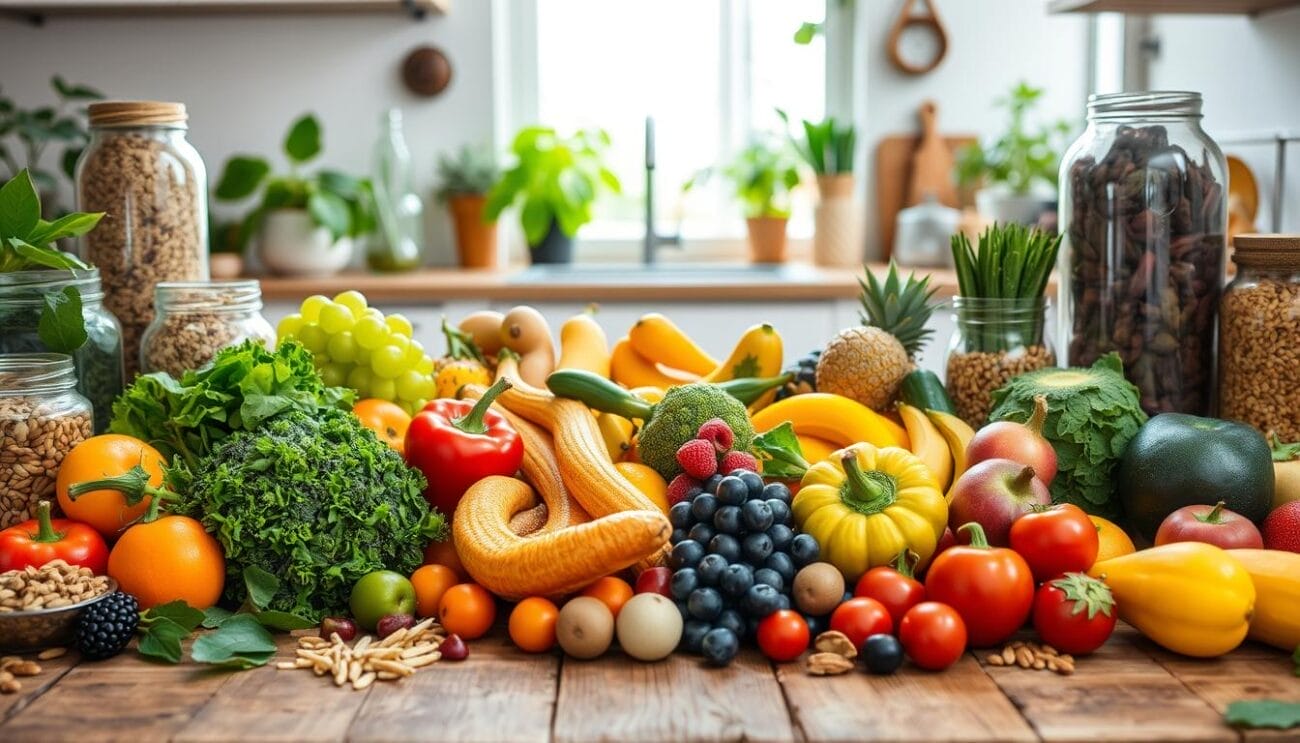
Did you know that 60% of athletes don’t get enough essential nutrients from their diet alone? What you eat directly impacts your energy, recovery, and overall performance. Whether you’re a weekend warrior or a competitive pro, the right nutrition can make all the difference.
Whole, nutrient-dense choices—like lean proteins, complex carbs, and healthy fats—fuel your body better than processed options. They provide lasting energy, support muscle repair, and even help prevent injuries. Pairing smart foods with trusted supplements, like those from Fit n Fab Shop, ensures you’re always at your best.
Ready to optimize your diet? Discover the best meal strategies and avoid common pitfalls to keep your performance at its peak.
Key Takeaways
- Nutrition plays a critical role in energy levels and athletic success.
- Whole foods provide essential vitamins and minerals naturally.
- Balanced meals improve recovery and reduce injury risks.
- Supplements can fill gaps in your diet for optimal results.
- Timing your meals right maximizes performance benefits.
Why Nutrition Matters for Peak Athletic Performance
Athletic success isn’t just about training—it starts with smart nutrition. Your body burns calories faster during exercise, demanding the right mix of carbs, proteins, and fats. Skimping on these can lead to REDs (Relative Energy Deficiency in Sports), harming your performance and health.
Fueling Your Engine
Carbohydrates are your primary energy source. They power intense workouts and endurance events. Johns Hopkins experts, like Rayven Nairn, recommend carb-loading before competitions:
“Endurance athletes should aim for 60% carbs, 20% protein, and 20% fats to optimize glycogen stores.”

Protein repairs muscle tissue post-workout. But balance is key—too much risks dehydration or calcium loss. Meanwhile, fats sustain energy for long sessions, like marathons or cycling.
| Macronutrient | Role | Best Sources |
|---|---|---|
| Carbohydrates | Instant energy | Oats, bananas, quinoa |
| Protein | Muscle recovery | Chicken, Greek yogurt, lentils |
| Fats | Endurance support | Avocados, almonds, salmon |
Hydration: The Unsung Hero
Water regulates body temperature and prevents cramps. For outdoor events, sip 7–10 oz every 10–20 minutes. Electrolytes (sodium, potassium) are crucial for sweat-heavy activities.
Risks of Underfueling
Ignoring nutrition invites trouble:
- Fatigue: Low energy crashes your performance.
- Weak immunity: Missing vitamins increases illness risk.
- Stress fractures: Poor diet weakens bones over time.
Pair whole foods with supplements—like electrolytes or BCAAs—to fill gaps. Your recovery, focus, and results depend on it.
18 Top Health Foods for Athletes to Fuel Your Body
Your performance hinges on the fuel you choose—pick wisely. These nutrient-packed options deliver energy, support muscle repair, and keep you strong. From omega-3-rich fish to fiber-filled grains, each serves a unique role in your diet.

Wild Salmon: Omega-3 Powerhouse

Wild-caught salmon beats farmed varieties with higher omega-3s. These fats reduce inflammation and protect your heart. Aim for two servings weekly to boost endurance and recovery.
Bananas: Potassium for Muscle Cramp Prevention
One banana packs 422mg potassium, crucial for preventing cramps. Unripe bananas offer resistant starch for gut health, while ripe ones replenish glycogen fast.
Almonds: Sustained Energy with Healthy Fats
A handful of almonds curbs hunger and stabilizes blood sugar. Their healthy fats and vitamin E also combat exercise-induced oxidative stress.
| Food | Key Nutrient | Best Time to Eat |
|---|---|---|
| Salmon | Omega-3s | Post-workout |
| Bananas | Potassium | Pre- or mid-exercise |
| Almonds | Vitamin E | Snack between meals |
Oatmeal: Slow-Release Carbs for Endurance
Steel-cut oats provide fiber and B vitamins for steady energy. Top with berries and honey for a pre-race meal that won’t spike blood sugar.
Chicken: Lean Protein for Muscle Repair
Grilled chicken is a budget-friendly protein source. Its amino acids rebuild muscle fibers broken down during training.
Mixed Berries: Antioxidant-Rich Recovery
Strawberries and cherries deliver hydration and fight inflammation. Blend them into smoothies post-workout for faster recovery.
Whole-Grain Pasta: Carb-Loading Done Right

Choose whole-grain over refined pasta for lasting energy. Its polyphenols enhance endurance, making it ideal for pre-competition meals.
When to Eat: Optimizing Meal Timing for Competition
Timing your meals right can be just as crucial as what you eat for peak performance. Whether you’re a marathoner or a weekend warrior, strategic fueling maximizes energy and minimizes fatigue. Let’s break down the best times to eat before, during, and after events.
Pre-Event: Carb-Loading 24–48 Hours Prior
Endurance athletes swear by carb-loading. Foods like rice, pasta, and bananas boost glycogen stores for long races. Soccer players and marathoners often aim for 3–4 grams of carbohydrates per pound of body weight during this window.
Avoid high-fiber options right before events—they can cause bloating. Stick to easily digestible meals like baked potatoes or white bread with honey.
Game Day: Balanced Breakfast 3–4 Hours Before
Your pre-game meal should balance macros: 50% carbs, 25% protein, and 25% veggies. Try scrambled eggs with quinoa and spinach. This combo provides steady energy without sluggishness.
Hydration matters too. Sip water consistently and consider an electrolyte drink if sweating heavily. Johns Hopkins experts recommend blended smoothies for athletes with sensitive stomachs.
Post-Event: Protein and Electrolytes for Recovery
Within 30 minutes post-game, prioritize recovery. Chocolate milk offers carbs and protein, while Greek yogurt with berries fights inflammation. For electrolytes, try coconut water or a trusted recovery supplement.
Sweet potatoes replenish glycogen, and magnesium-rich almonds ease muscle cramps. Pair these with plenty of fluids to restore hydration levels.
Foods That Slow You Down: What Athletes Should Avoid
Not all foods support your athletic goals—some actively work against them. While nutrient-dense options boost performance, others drain energy, delay recovery, or even cause fatigue. Knowing what to skip helps you stay at your best.
High-Sugar and Processed Snacks
Sugary cereals, energy bars, and sodas spike blood sugar, then crash it. This rollercoaster leaves you sluggish mid-game. Dr. Tina Sentongo from UChicago warns:
“Processed snacks lack fiber and minerals. They’re empty calories that harm endurance and focus.”
Swap them for whole foods like applesauce packs or whole-grain crackers. These provide steady energy without the crash.
Trans Fats and Heavy Meals Pre-Competition
Fried foods and margarine contain inflammatory fats that slow digestion. A greasy burger before a race? Bad idea. Heavy meals divert body resources to digestion instead of fueling muscles.
Choose lighter options: grilled chicken with steamed vegetables or a banana with almond butter. These digest faster and won’t weigh you down.
Dehydration Risks: Caffeine and Alcohol
Alcohol impairs recovery by dehydrating cells and reducing protein synthesis. Even one drink post-game delays muscle repair. Caffeine, in excess, exacerbates cramps by leaching calcium.
- Hydration fix: Herbal tea or coconut water.
- Pre-game limit: 1 coffee (8 oz) max to avoid jitters.
Your diet isn’t just about adding good foods—it’s about cutting the ones that hold you back.
Conclusion: Build a Winning Diet for Long-Term Success
Great performance starts with smart choices—salmon for omega-3s, oats for steady energy, and berries for quick recovery. Pair these with consistent hydration and balanced macros to stay at your best.
Every athlete is unique. Adjust your diet for intolerances, like swapping dairy for almond milk or gluten-free grains. Small tweaks make big differences in how you feel and perform.
For gaps in nutrition, trusted supplements help. Explore Fit n Fab Shop or Amazon’s vetted options to support your goals. Quality matters just as much as timing.
Your plate is your power. Prioritize whole foods, listen to your body, and watch your endurance grow. Ready to fuel your next win?
FAQ
Why is wild salmon beneficial for athletes?
Wild salmon is packed with omega-3 fatty acids, which reduce inflammation and support joint health. This helps you recover faster and perform at your best.
How do bananas help prevent muscle cramps?
Bananas are rich in potassium, an electrolyte that regulates muscle contractions. Eating them before or after workouts can help prevent cramps and fatigue.
Are almonds a good snack for endurance training?
Absolutely! Almonds provide healthy fats and protein, offering long-lasting energy without blood sugar spikes. A handful keeps you fueled during long sessions.
What makes oatmeal ideal for endurance athletes?
Oatmeal contains slow-digesting carbs that steadily release energy. This helps maintain stamina during prolonged exercise like marathons or cycling.
How does chicken support muscle repair?
Chicken is a lean protein source with essential amino acids. These nutrients rebuild muscle fibers damaged during intense training, speeding up recovery.
Why should athletes eat mixed berries?
Berries are loaded with antioxidants that combat exercise-induced oxidative stress. They also reduce soreness and improve overall recovery time.
Is whole-grain pasta good before a competition?
Yes! Whole-grain pasta provides complex carbs for sustained energy. It’s perfect for carb-loading 1-2 days before an event to maximize glycogen stores.
What’s the best pre-game breakfast?
Aim for a balanced meal with carbs, protein, and healthy fats 3-4 hours before. Try oatmeal with almond butter and a banana for steady energy.
What foods should athletes avoid before competing?
Skip high-sugar snacks, fried foods, and heavy meals. These can cause energy crashes, bloating, or sluggishness when you need peak performance.
How important is hydration for recovery?
Hydration is critical! Water supports nutrient delivery and muscle function. Pair it with electrolytes like potassium and magnesium for optimal recovery.