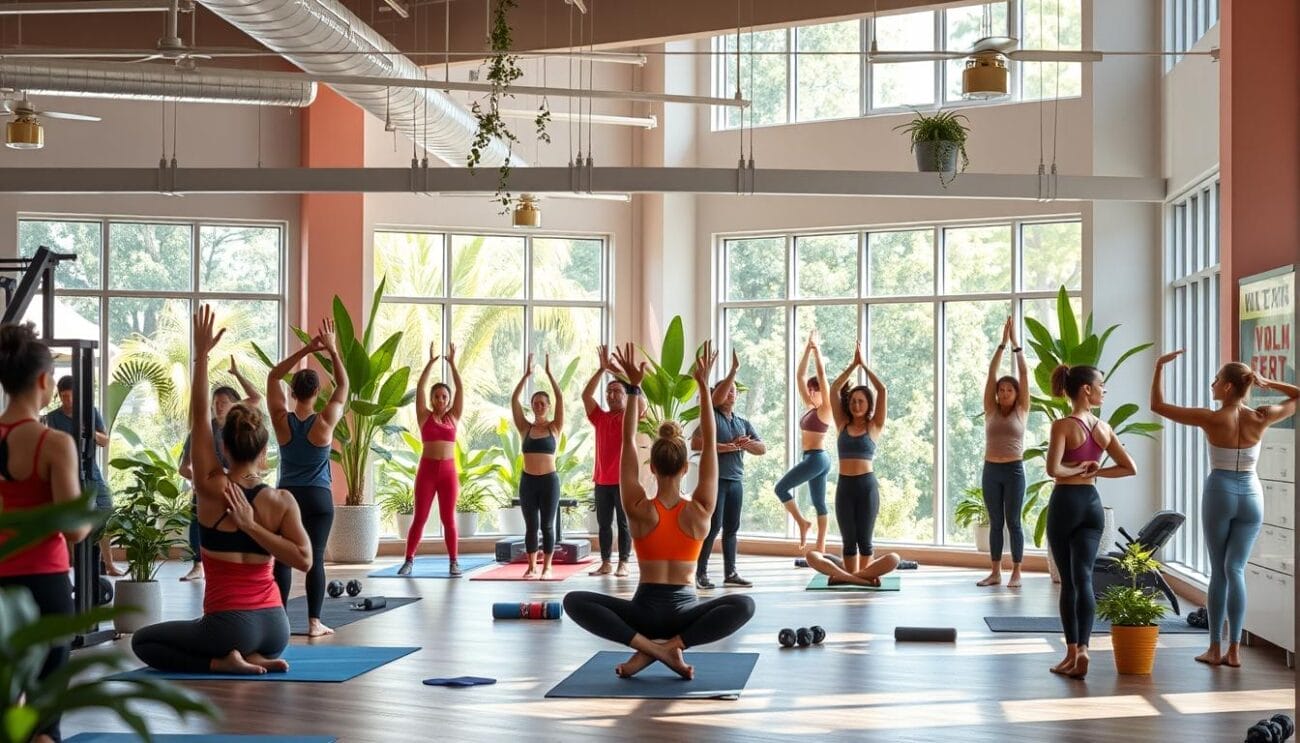
Harvard research found that just a short daily run or a one-hour walk tied to a 26% lower risk of major depression. That number shows how small moves can change your day and your long-term health.
You don’t need long sessions to feel better. Ten to thirty minutes of exercise can lift your mood, sharpen memory, and improve sleep.
This introduction will show practical ways to fit activity into real life, explain how the body and heart respond, and point you to trusted picks from Fit n Fab Shop and top Amazon supplements that can support your routine.
Expect clear, research-grounded tips you can use today. Small, consistent physical activity adds energy, steadier mood, and healthier sleep without upending your schedule.
Key Takeaways
- Short bouts of exercise can boost mood and reduce stress.
- Even modest physical activity yields real health and energy gains.
- Simple, repeatable ways fit into busy days and improve sleep.
- Research-backed guidance helps you understand what happens inside your body.
- Support your routine with select products from Fit n Fab Shop and Amazon.
Why Moving Your Body Today Delivers Wellness Benefits That Last
Even modest motion now creates durable gains in your body, mind, and daily life. Just 30 minutes of moderate exercise five days a week can lift your mood, sharpen sleep, and build resilience. Moderate means you breathe a little heavier but can still chat.
Regular exercise taps lasting health and energy. When you move most days, your heart and muscles grow stronger. That strength makes everyday tasks easier and lowers long-term risk for depression and chronic disease.

You don’t need long sessions. Even two weekend sessions can give results similar to more frequent workouts — the “weekend warrior” effect many people use to fit movement into busy lives.
Use the simple intensity check: heavier breathing but able to talk. This helps you use time wisely and still make progress.
- Reduce stress and boost mood: steady movement calms the mind and helps you feel more in control.
- Support muscles and strength: consistent work improves function for daily life.
Prioritize your routine with curated picks at Fit n Fab Shop — recovery tools and magnesium for muscles can make your plan sustainable and easier to keep up.
Wellness Benefits from Fitness Activities: A List You Can Feel
Short bursts of movement can lift your day and sharpen focus in minutes. Ten to thirty minutes of exercise often improves mood and gives steady energy that lasts. The Department of Health and Human Services recommends 150–300 minutes weekly, but stacking short bouts across the week works well for busy people.
Improve mood, reduce stress, and make feel-good energy part of your day
Quick wins matter: a Harvard-linked study found 15 minutes of running or one hour of walking daily cut major depression risk by 26%.

Try brisk walks, a 10-minute bodyweight circuit, or short cycling sprints. These examples fit work breaks and family time while helping weight control and muscle tone.
Minutes that matter: how even short workouts boost health
- Better focus: short exercise sessions clear your head and improve concentration.
- More energy: brief movement raises alertness without a long time commitment.
- Lowered long-term risk: regular physical activity supports heart and metabolic health.
Explore research-backed tips at the Mayo Clinic guide to exercise and consider recovery aids and supplements on Fit n Fab Shop to help you make feel-good results easier to keep: support for daily recovery.
Lift Your Mood and Calm Your Mind with Regular Exercise
Short, consistent movement can lift your spirits and calm a frantic mind. Research shows just 15 minutes of running or an hour of walking daily cut major depression risk by about 26%.
Depression and anxiety relief: what the research and studies show
Consistent exercise links to fewer depression symptoms and steadier energy across the day. People who move most days report calmer moods and less daily worry.
Endorphins, serotonin, and dopamine: brain chemistry that boosts your mood
Physical activity triggers endorphins and raises serotonin and dopamine. These changes help focus, ease anxiety, and improve mood during and after a session.
Mindful movement tips: notice breath, steps, and heart rate
Use simple cues: feel your feet hit the ground, count breaths, watch heart rate rise, then slow. These tiny acts shift your nervous system out of fight-or-flight and reduce stress.
| Practice | Immediate Effect | Support Tools |
|---|---|---|
| 15-min jog | Quick endorphin lift, clearer focus | Magnesium glycinate, cooling towel |
| 1-hour brisk walk | Lower anxiety, steadier energy | Adaptogenic herbal blend, walking poles |
| Mindful bodyweight set | Less tension, eased pain | Self-care tools, foam roller |

Start small. Short sessions build quality of life and make routines stick. Consider Fit n Fab Shop picks like magnesium glycinate and adaptogens to help you unwind after a workout.
Protect Your Heart and Reduce Risk of Chronic Disease
A steady dose of cardio helps your heart work more efficiently and keeps circulation strong.
When you move regularly, your body shows measurable changes. Exercise strengthens cardiac muscle and boosts blood flow. That helps lower blood pressure, cholesterol, and glucose levels over time.
Cardio basics: how activity strengthens your heart and improves circulation
Short, regular sessions train the heart to pump with less effort. You’ll notice better stamina and less shortness of breath in daily life.
Blood pressure, cholesterol, and glucose levels: why training helps
Training improves metabolic control. Lower blood pressure and improved cholesterol make it easier to reduce long-term disease risk.
Weekend warrior or daily walk: flexible ways to lower disease risk
A UK study found weekend warrior patterns often deliver similar gains to more frequent exercise. That gives you a practical way to hit weekly minutes without changing your whole routine.
“Regular movement is one of the simplest ways to protect your heart and lower chronic disease risk.”
- You’ll see how cardio supports circulation you can feel.
- Simple plans—daily walk or focused weekend sessions—help you meet goals.

| Practice | Effect on levels | How it lowers risk |
|---|---|---|
| Daily 30-min walk | Improves blood pressure and glucose | Steady spectrum benefit for heart and life |
| 2 weekend sessions (60–90 min) | Helps cholesterol and circulation | Flexible example that fits busy weeks |
| Interval walks or jogs | Boosts heart efficiency and metabolic levels | Reduces long-term disease risk with brief effort |
For practical guidance on movement and heart health, see cardio health guidance. Fit n Fab Shop also offers circulation-supportive picks to complement your routine.
Sleep Better, Wake Rested: How Exercise Improves Sleep Quality
A brief, smart workout during the day often leads to better nightly rest. Regular exercise helps your brain and body wind down so you fall asleep faster and sleep deeper. A 2018 study in people with chronic insomnia found stretching and resistance work improved sleep quality and lowered time to fall asleep.
Timing matters. Do most moderate sessions earlier in the day when you can. If you train late, choose gentle mobility or stretching to calm your nervous system.
How movement changes sleep-ready levels
Rising body temperature during activity then dropping afterward helps trigger deep sleep. Exercise also balances brain chemicals and raises energy regulation, which supports natural sleep cycles.
- Short sessions: 20–30 minutes earlier in the day can strengthen sleep quality.
- Evening options: light stretching or mobility for 10–15 minutes helps you relax.
- Study-backed: resistance and stretching both improved duration and depth in clinical research.
“Regular, well-timed movement helps you fall asleep faster and sleep more deeply.”
Build a soothing evening routine with Fit n Fab Shop sleep-supportive picks—calming tea, magnesium, and recovery tools—to help you unwind after a late workout and wake with clearer energy and a steadier heart.
Build Strength, Support Muscles and Bones, and Ease Pain
Small doses of resistance training add power to your body and ease daily aches. Start with simple moves and progress in brief steps. That approach helps you keep gains without injury.
Resistance training for muscle health and functional strength
Use targeted resistance to make everyday tasks easier. Two to three sessions a week of basic lifts or band work preserves muscle and improves function as you age.
Begin with bodyweight squats, rows, and glute bridges. Add resistance bands or light weights over time to protect joints and increase power.
Bone density benefits: impact vs. low-impact types
A 2022 review found regular exercise improves bone density in the spine, neck, and hips. Impact work usually raises bone mass more than no-impact routines.
If you need low-impact options, pair resistance training with brisk walking or stair climbs to lower risk while staying joint-friendly.
Chronic pain: ways movement can reduce symptoms and improve life quality
Gentle aerobic work and strength training can raise pain tolerance and ease symptoms over weeks. Progress slowly and prioritize form.
“Consistent, guided training often reduces chronic pain and helps you move with less fear.”
- Simple plan: two short strength sessions plus one aerobic session weekly.
- Blend: resistance bands, joint supports, and recovery tools help steady progress.
- Outcome: more muscle mass, better weight control, and less daily pain.
| Practice | Effect | Support |
|---|---|---|
| Band circuit (20 min) | Builds functional strength, boosts muscles | Resistance bands, joint sleeve |
| Impact walk/jog (30 min) | Improves bone density at hip and spine | Supportive shoes, recovery tools |
| Gentle aerobic (25 min) | Raises pain tolerance, aids sleep | Cooling towel, magnesium supplement |
Support your training with Fit n Fab Shop tools—resistance bands, joint-friendly supports, and recovery picks help you lift, move, and feel better consistently. Start small, track time, and build upward.
Brainpower Boost: Memory, Focus, and Resilience Through Activity
Short, regular movement sharpens how you remember names, focus at work, and bounce back after stress. Exercise raises blood flow and oxygen to your brain and triggers hormones that support new cell growth. Over time, the hippocampus—the memory center—can grow, helping recall and learning.
Exercise and the hippocampus: what happens in your brain
Research shows clear change: regular exercise stimulates plasticity and may slow age-related decline linked to dementia and Alzheimer’s.
- How it helps: better blood flow, boosted oxygen, and growth signals that support memory.
- Weekly way to do it: blend 2–3 short cardio sessions with one strength session to keep energy and focus steady.
- Low mood buffer: moderate exercise can reduce symptoms of depression while you build a habit.
| Practice | Immediate effect | Support |
|---|---|---|
| 20-min brisk walk, 3x week | Sharper focus, steady energy | Omega-3 supplement, nootropic-friendly tea |
| Two short strength sets (15 min) | Better memory recall, resilience | Protein snack, recovery tools |
| Interval mix (25 min) | Increased blood flow to hippocampus | Omega-3s and mindful breathing |
Pair movement with brain-loving supports at Fit n Fab Shop—omega-3s and nootropic-friendly self-care help you feel focused each week. For practical guidance on how physical activity helps cognition, see the CDC’s guidance to boost brain health.
Energy, Skin, and Sex Life: The Everyday Benefits You’ll Notice
When you add regular movement, your daily energy levels start to climb in noticeable ways. Aerobic work improves heart and lung efficiency so chores, stairs, and errands feel easier over time.
More energy over time: why workouts make daily tasks feel easier
Short, steady sessions raise baseline energy and help you recover faster. Exercise also improves sleep, which amplifies that gain.
Healthy skin from the inside out: oxidative stress in balance
Regular moderate exercise balances oxidative stress, supporting clearer skin and slower visible aging. Reviews link movement to better outcomes in psoriasis and wound healing.
Improve sex life: circulation, confidence, and strength gains
Better circulation and stronger muscles boost arousal and satisfaction. Studies show about 160 minutes per week over months can improve erectile function in men and raise sexual confidence in women.
“Small, consistent movement reshapes energy, skin health, and intimate connection.”
Try pairing cardio with skin-supporting antioxidants and circulation picks at Fit n Fab Shop to match your routine and feel results faster without burnout.
Simple Ways to Move More Each Week—and Product Picks to Support You
Stacking short bursts of movement is a practical way to hit weekly goals without stress. Think lifestyle, not just gym time: cleaning, yard work, stair climbs, and walking to errands all add minutes that count.
Easy options that add up: walk, cycle, dance
Try three 10‑minute walks, a quick cycle to the store, or a short dance break between tasks. These types of exercises raise your heart rate and brighten your mood.
Home, work, and family: sneak in steps and mini‑workouts
- At home: set a 10‑minute band circuit while dinner cooks.
- At work: take stairs, park farther, or do desk squats on breaks.
- With family: play active games or walk the dog together.
Support your routine: top picks for recovery and consistency
Prioritize your routine with Fit n Fab Shop and Amazon picks: electrolytes and protein for recovery, magnesium and herbal calmers, resistance bands, and massage tools. These items give exercise help and make training easier to keep up.
“Short sessions add up to meet the DHHS guideline of 150–300 minutes weekly.”
Conclusion
Even a few focused minutes most days can shift your energy and lower long-term risk. Regular exercise—done in short, steady sessions—supports sleep, mood, heart health, and brain clarity. Small steps stack into real benefits for your life and health.
Start where you are. The best plan is the one you repeat each week. Pick brief workouts you enjoy, listen to your body, and add simple recovery so training stays safe and sustainable.
Use this guide as an example roadmap. Short routines, consistent activity, and smart recovery ease pain, cut disease risk, and help weight control without strict rules. When you’re ready, explore Fit n Fab Shop and top Amazon picks for exercise help that supports your routine and helps you make feel-good progress that lasts.
FAQ
What are the main ways regular exercise improves your mood and reduces stress?
Physical activity releases endorphins and helps balance serotonin and dopamine, which lift your mood. Regular movement also lowers stress hormones like cortisol, improves sleep, and gives you a sense of accomplishment—so even short walks or strength sessions can make you feel calmer and more resilient.
How much activity do I need each week to see meaningful health improvements?
Aim for at least 150 minutes of moderate-intensity aerobic activity or 75 minutes of vigorous activity per week, plus two days of resistance training. Even breaking this into 10–20 minute sessions adds up, boosts energy, helps weight control, and supports heart and brain health.
Can exercise really help with depression and anxiety?
Yes. Studies show consistent exercise reduces symptoms of depression and anxiety by improving brain chemistry, sleep quality, and self-esteem. Start with gentle activities like walking or yoga and gradually increase duration or intensity as your mood and energy improve.
What types of workouts are best for heart health and lowering disease risk?
A mix works best: aerobic activities (walking, cycling, swimming) strengthen your heart and circulation, while resistance training helps metabolic health and muscle mass. Regular movement lowers blood pressure, improves cholesterol, and helps control blood glucose—reducing long-term disease risk.
When should I exercise to get better sleep without disrupting rest?
Exercising earlier in the day or late afternoon usually supports deeper sleep. Vigorous workouts too close to bedtime can raise heart rate and make it harder to fall asleep for some people. Aim to finish intense sessions at least 1–2 hours before bed and choose calming movement, like stretching, in the evening.
How does resistance training help with muscle, bone, and chronic pain?
Lifting weights or using resistance bands builds muscle strength and supports joints, which improves function and reduces injury risk. Weight-bearing exercises stimulate bone density, and a consistent program often eases chronic pain by improving posture, circulation, and mobility.
Can regular activity actually boost memory and focus?
Yes. Exercise supports brain regions like the hippocampus, enhancing memory, learning, and attention. Aerobic exercise in particular increases blood flow and neurotrophic factors that help brain cells grow and stay resilient, improving cognitive performance over time.
What everyday perks will I notice after starting a routine—energy, skin, or sex life?
Over weeks and months you’ll likely feel more energetic during daily tasks, notice clearer skin as circulation and oxidative balance improve, and experience enhanced circulation and confidence that can boost your sex life. Consistency and balanced nutrition amplify these effects.
How can I fit movement into a busy week with family and work demands?
Use small, realistic habits: take brisk 10–15 minute walks, do bodyweight sets during TV breaks, cycle or walk for short errands, and schedule mini-workouts into your calendar. These minutes add up and make it easier to reach weekly targets without big time blocks.
Are there specific products or supplements that help support a fitness routine?
Helpful items include a reliable pair of shoes, resistance bands, and a quality yoga mat. For supplements, consider vitamin D, omega-3s, or protein powder if your diet lacks them—but choose reputable brands like Nordic Naturals or Optimum Nutrition and talk with a healthcare provider before starting anything new.