Surprising fact: companies that support a healthier workforce report up to 25% fewer sick days and sharper on-the-job focus.
You can use small changes at work to make a big impact on employee health and morale.
From short stretch breaks to walking meetings and mobility apps, simple activities help sedentary employees move more and track progress. These approaches boost engagement and reduce aches, stress, and absenteeism.
Fit n Fab Shop curates recovery and self-care tools alongside top Amazon supplements and herbal remedies to support your balanced routine. The goal is practical, scalable steps that make well-being part of daily work life.
In the sections ahead, you’ll get clear, easy-to-apply ideas, measurement tips, and leadership strategies that connect health actions to real business benefits without extra complexity.
Key Takeaways
- Healthier employees mean fewer absences and better focus on the job.
- Short, consistent activities make wellness approachable for every workplace.
- Leadership and culture shape participation and long-term success.
- Practical tools from Fit n Fab Shop support recovery and daily care.
- Simple measurement helps you refine programs and show benefits.
Why Wellness at Work Matters Right Now
Healthy teams deliver higher-quality work and miss fewer days, and small, consistent changes drive that shift.

How healthier employees boost productivity and reduce absenteeism
When employees feel better physically and mentally, output improves and sick days fall. Companies that invest in employee health report lower turnover and stronger recruiting results.
That happens because a clear focus on physical, emotional, and mental care reduces stress and minor aches that quietly drag down performance.
How healthier employees boost productivity and reduce absenteeism
You’ll connect the dots between healthier employees and measurable outcomes like fewer sick days and higher-quality work. Clear program goals and accessible resources make it simple for people to take positive steps.
The role of culture in employee well-being and retention
Workplace culture and visible leadership matter. When leaders model healthy habits, employees feel valued and more invested in their roles. That culture improves retention and company reputation.
- Lower absence: healthier people take fewer sick days.
- Better performance: focus, creativity, and quality rise.
- Stronger brand: recruiting and morale improve.
Learn why workplace well-being matters and explore Fit n Fab Shop’s curated essentials to support your holistic routine. Prioritize your health with top supplements and self-care tools chosen to help you feel your best.
Wellness Initiatives Promoting Fitness

Small shifts in routine—like swapping a seated meeting for a brisk walk—make movement a natural part of the workday.
Promote physical activity in the workplace by scheduling walking meetings, adding stair prompts, and placing a few standing desks in shared zones. These moves reduce sedentary time and ease aches for desk-bound employees.
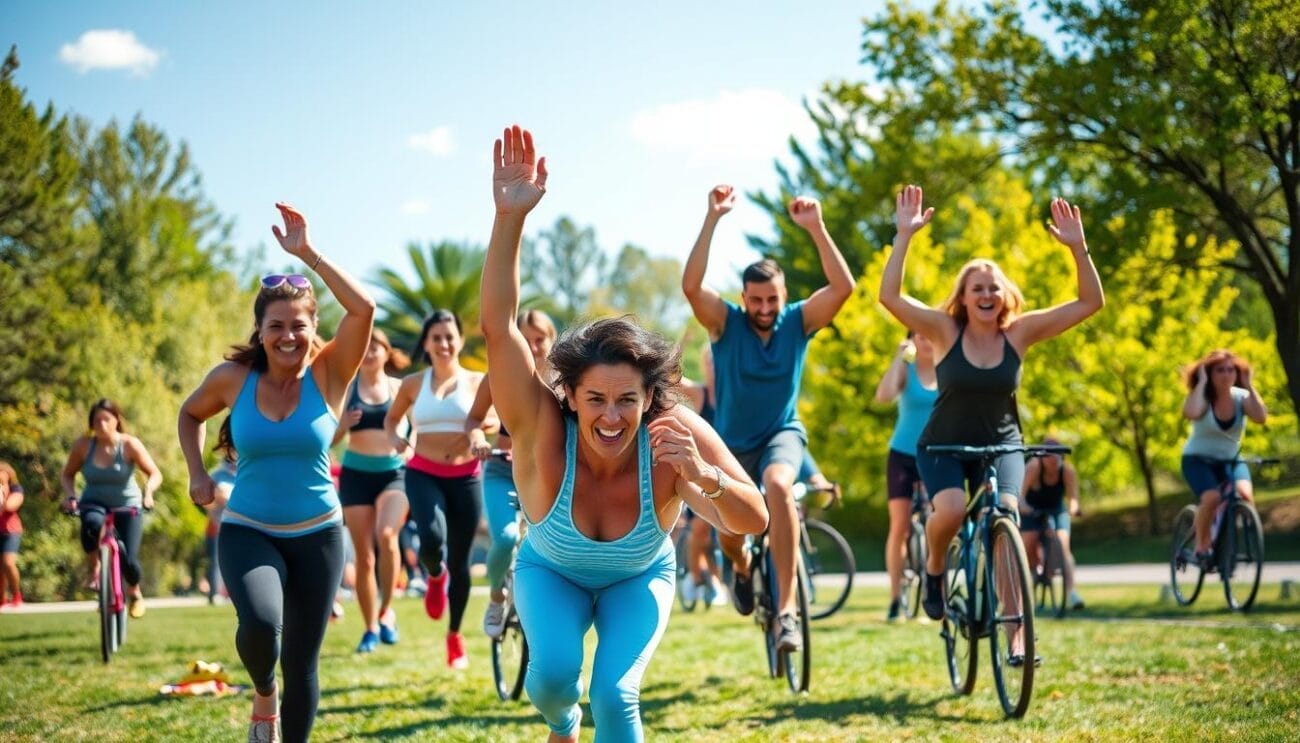
Use team fitness challenges and virtual walkathons to spark friendly competition. Clear rules, simple tracking, and inclusive goals help everyone join. Admin dashboards give HR participation data and basic analytics to shape future plans.
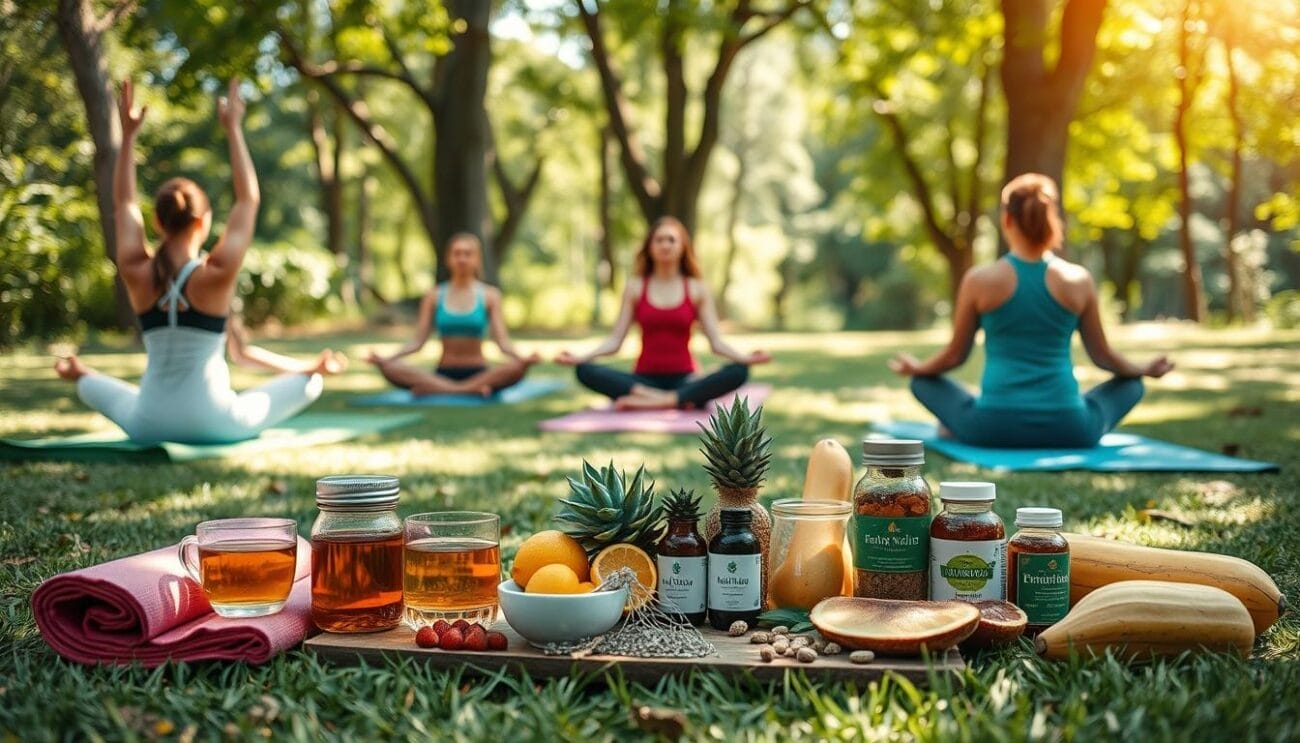
Offer on-site or virtual yoga and mobility classes for all levels. Short guided sessions relieve stiffness and lower stress. Provide chair and beginner options so first-timers feel welcome.
- Set simple goals (steps, minutes, or streaks).
- Choose inclusive tracking that anyone can use.
- Reward participation and progress, not only top performers.
| Program | Duration | Participation | Key Benefit |
|---|---|---|---|
| Walking Meetings | 15–30 min | Small groups | Promotes movement and clear thinking |
| Virtual Walkathon | 1–4 weeks | Multi-location | Encourages friendly competition; provides analytics |
| Yoga & Mobility | 10–30 min | All levels | Improves flexibility and reduces tension |
Micro-exercise breaks—two to five minutes—add up and keep energy steady through the day. Communicate safety, offer modifications, and celebrate steady participation to build lasting habits.
For a quick primer on program design and examples, see workplace wellness programs and adapt the ideas to your team.
Quick-Start Listicle: Fitness-Friendly Ideas You Can Launch This Week

Launch a handful of quick activities this week and watch participation grow fast.
Wellness Wednesdays and Fit Fridays
Set two weekly days as light rituals to normalize movement and break up the work routine. Pick a short challenge each week — step goals, mini-classes, or stretch sequences — so employees know what to expect.
Five-minute deskercise and stretch breaks
Teach a few 5-minute routines that anyone can do at their desk. Repeatable moves make it easy to pause, reset, and return to work more focused.
Lunch & learn sessions on sleep, hydration, and exercise
Host short, practical talks during lunch to build knowledge and habits. Offer recordings and one-sheet takeaways so employees can use the tips at home.
Healthy recipe swaps and cooking demos
Run quick demos or recipe exchanges that show budget-friendly, at-home meal prep. Food-focused activities spark real behavior change and invite social connection.
- Use simple sign-up forms and calendar invites to boost participation quickly.
- Pair activities with light recognition — shoutouts or digital badges — to encourage employees to join.
- Rotate hosts or ambassadors so ownership spreads across teams.
- Collect brief feedback after sessions to refine your program and keep it relevant.
For a plug-and-play guide and resources to launch these ideas, see our practical program starter pack at launch resources.
Support Mental Health to Sustain Physical Activity
Short mental-health pauses during the day help people reset and return to work calmer and more focused.
Make meditation breaks regular. Schedule two- to five-minute guided sessions so employees can clear their heads between meetings.
Try Mindfulness Mondays and digital detox windows to protect focus. These brief rituals reduce stress and make it easier for teams to keep moving all week.
Meditation breaks, Mindfulness Mondays, and digital detox windows
Keep sessions short and optional. Share recordings and a simple calendar invite so people can join from the desk or home.
Employee Assistance Programs and counseling access
Promote EAPs with clear, confidential steps to get counseling for stress, finances, or family needs. Make the path simple so employees feel safe seeking help.
- Why it matters: stronger mental health makes it easier for employees to sustain movement and healthy routines.
- Pair mindfulness with light movement to build confidence and momentum.
- Track attendance and feedback to refine the program and keep activities restorative.
Design Inclusive Wellness Programs for Every Work Style
Design programs that bend around people’s schedules so health habits fit real life, not the calendar. Flexible schedules and remote options reduce commuting stress and let employees balance home demands with work.
Make choices, not one-size-fits-all rules. Offer multiple participation options so every person can join. That includes short micro-breaks, walking meetings, and digital detox prompts for focus.
Flexible work options that encourage work-life balance
Give employees clear, simple options: staggered start times, compressed weeks, or remote days. These choices help people manage errands, caregiving, and energy.
At-home and remote-friendly activities
Map easy, remote-friendly wellness activities like five-minute stretch breaks, step challenges, and on-demand short classes. Record sessions so time zones don’t block participation.
Virtual lunch-and-learns and social events
Run casual virtual lunches, skill shares, and social hours to keep team connection strong. Rotate slots and post recordings to raise engagement across locations.
- Tip: Train managers to model boundaries and hold calendar time for movement.
- Tip: Use onboarding checklists so new hires see program options from day one.
Drive Engagement: Incentives, Recognition, and Leadership Buy-In
Small rewards and visible recognition turn casual interest into steady participation. Use simple, clear incentives that reward consistency and progress, not only top performers. This keeps momentum and invites more people to join.

Meaningful incentives that boost employee participation
Design rewards around effort and streaks. Offer low-cost perks like extra PTO drawings, small swag, or milestone badges. Structure incentives to reward consistency so participation stays high over time.
Recognition programs and wellness ambassadors
Nominate peer ambassadors to share wins and host short events. Peer recognition spreads awareness and helps employees engage across teams.
Leaders who model healthy behaviors elevate engagement
When managers join challenges and celebrate progress, more employees follow. Leadership participation links to better outcomes and lower medical costs, so make leader messaging simple and repeatable.
| Focus | Action | Benefit |
|---|---|---|
| Incentives | Reward consistency and progress | Sustained participation |
| Recognition | Ambassadors & shoutouts | Local momentum across teams |
| Leadership | Modeling & messaging | Higher engagement; trust |
Measure, Learn, Improve: Building a Smarter Wellness Program
Data helps you move from good intentions to real impact. Capture what employees value with monthly surveys, pulse checks, and anonymous idea boxes. These quick touchpoints keep feedback fresh without overwhelming staff.
Surveys, pulse checks, and feedback loops
Set up brief monthly surveys and one-question pulse checks to track mood, barriers, and interest. Pair those with a simple idea box so people submit new suggestions any time.
Use virtual walkathon platforms and survey tools to surface participation trends and organization-wide insights. Share highlights regularly so employees see their feedback shape the program.
Health insights that guide better activities and options
Translate analytics into action: prioritize the activities employees use most and pilot new ideas with lightweight research. Track participation and sentiment by team or location to find bright spots and gaps.
- Run short pilots before scaling a new program across locations.
- Build a clear dashboard so leaders view progress at a glance.
- Sunset low-impact offerings and reinvest in options that employees value.
Close the loop: tell staff what you heard and what you changed so employees take future surveys seriously. Tie these insights into corporate wellness reporting to keep executive support strong.
Curated Essentials to Power Your Holistic Routine
A compact collection of supplements and recovery gear makes healthy habits easier to keep at work and at home.
Top Amazon supplements and herbal remedies to complement activity
Prioritize your health with gentle, evidence-backed choices. Consider magnesium for muscle recovery, omega-3s for joint comfort, and adaptogens for stress balance.
These at-home options support sleep and focus so employees feel restored after classes or exercise. For curated picks, check a trusted list of top recommended wellness products.
Self-care tools for recovery, sleep, and stress relief
Pair supplements with simple tools: foam rollers, massage balls, and yoga props ease tightness after a class or a long day at a desk.
Sleep aids like blackout masks and white-noise devices help you wake up ready to move. Stress-relief options — aromatherapy or acupressure mats — calm the nervous system and support consistency with wellness activities.
- Desk-friendly tools that fit work or home routines
- Recovery items that reduce soreness and boost energy
- Small upgrades that add up to better health and well-being
Ready to act? Prioritize your wellness with Fit n Fab Shop’s handpicked essentials so employees can adopt practical options that sustain momentum without burnout.
Conclusion
Conclusion
Small, repeatable actions at work add up faster than big, occasional efforts—start with one manageable change.
You’re ready to turn ideas into a simple program. Begin with one or two activities this week and watch employees engage. Anchor choices in what people actually use, then scale based on feedback and insights.
Keep recovery and classes available so staff bounce back faster. Use clear incentives and leader modeling to boost participation and culture. Measure participation, outcomes, and sentiment so the program evolves with real research and results.
Ready to act? Launch a walking meeting, a short lunch class, or a Mindfulness Monday. Prioritize your wellness with Fit n Fab Shop’s curated health essentials to help employees feel better and perform at their best.
FAQ
What are simple ways to promote physical activity at work right now?
Start small: encourage walking meetings, add stair prompts, and offer standing desks or sit-stand converters. Schedule brief stretch breaks and five-minute “deskercise” sessions to reduce sedentary time. These options are low-cost, inclusive, and easy for you to try this week.
How do team fitness challenges and virtual walkathons increase participation?
Challenges build camaraderie and friendly competition. Use step goals, team leaderboards, and group goals to create momentum. Offer meaningful incentives like extra time off, gift cards, or charity donations to boost engagement and make participation feel rewarding.
Can remote employees join on-site classes like yoga or mobility sessions?
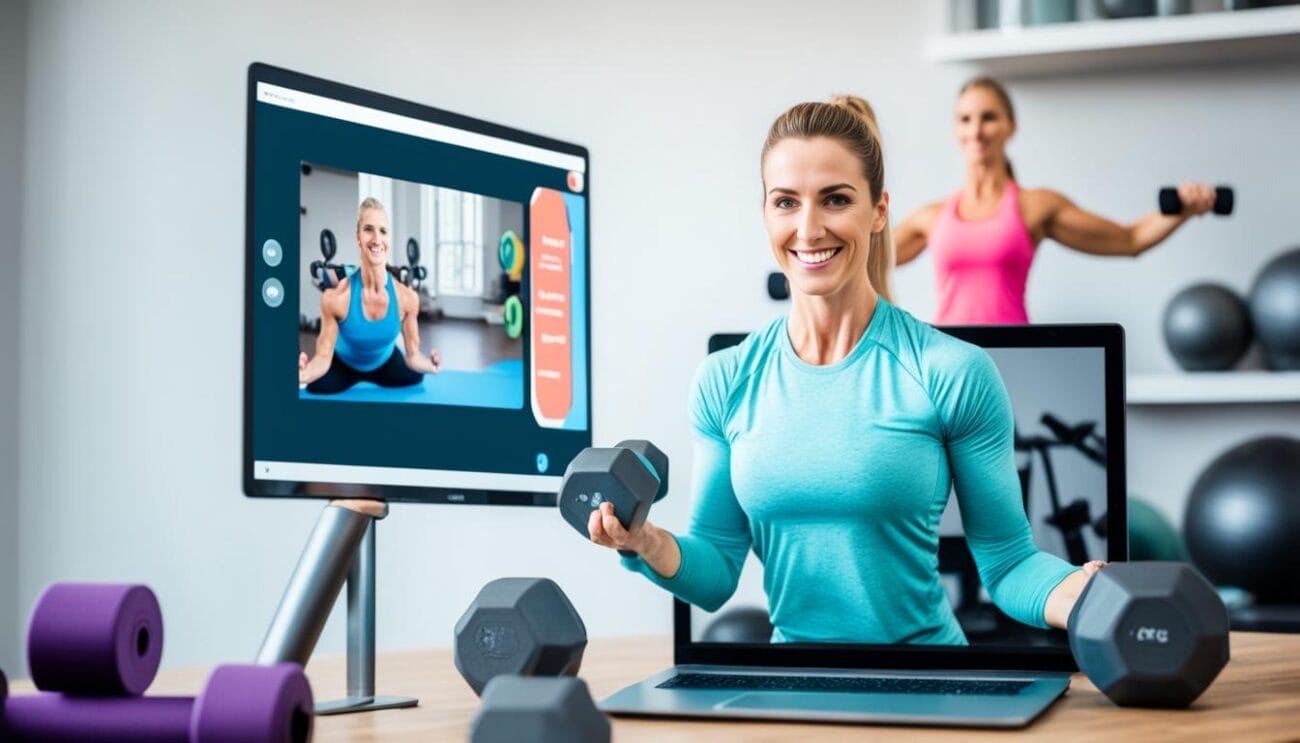
Yes. Host hybrid or fully virtual classes led by instructors on Zoom or Microsoft Teams. Record sessions for different time zones and provide accessible modifications so everyone can join, whether they’re at home or in the office.
What quick-start ideas can I launch this week to encourage healthy habits?
Try themed days such as Wellness Wednesdays or Fit Fridays, short guided stretch breaks, lunch-and-learns on hydration or sleep, and healthy recipe swaps. These activities are simple to run and help normalize daily movement and better choices.
How do you support mental health while encouraging physical activity?
Pair movement offerings with mental health supports: add meditation breaks, Mindfulness Mondays, and digital detox windows. Make counseling access and Employee Assistance Programs visible so employees feel safe seeking help and staying active.
How do you design programs that suit different work styles and locations?
Offer flexible options: in-person classes, live virtual sessions, on-demand recordings, and at-home activity kits. Provide asynchronous challenges and social connection events so hybrid, remote, and office-based staff can all take part.
What incentives and recognition work best to drive lasting engagement?
Meaningful incentives tied to clear goals perform best. Combine recognition—public shout-outs, wellness ambassador roles, and progress badges—with tangible rewards like subscriptions, fitness gear, or paid wellness hours to sustain interest.
How do leaders influence employee participation in health programs?
Leaders model behavior by joining sessions, sharing personal goals, and protecting time for activity. When managers participate and prioritize well-being, employees feel permission to do the same and engagement rises.
What metrics should you track to evaluate and improve your program?
Use surveys, pulse checks, participation rates, and qualitative feedback to measure impact. Track activity participation, satisfaction, and changes in absenteeism or engagement to refine offerings over time.
Which recovery and self-care tools complement workplace activity offerings?
Recommend ergonomic supports, foam rollers, sleep aids like blackout masks and blue-light filters, and reputable supplements from trusted brands when appropriate. Encourage recovery routines and provide resources on safe use and supplier credibility.