You can start with realistic budgets and still create big momentum. Core services like a health risk appraisal and team challenges fit these price ranges, while add-ons such as biometric screening and coaching raise costs predictably.
Visible leadership and a small committee turn policy into daily action. A committed coordinator ties those efforts to outcomes and keeps participation steady.
Use a quick health culture audit to spot barriers in under ten minutes. Then match simple offerings—strength, mobility, recovery aids—to employee needs and work schedules.
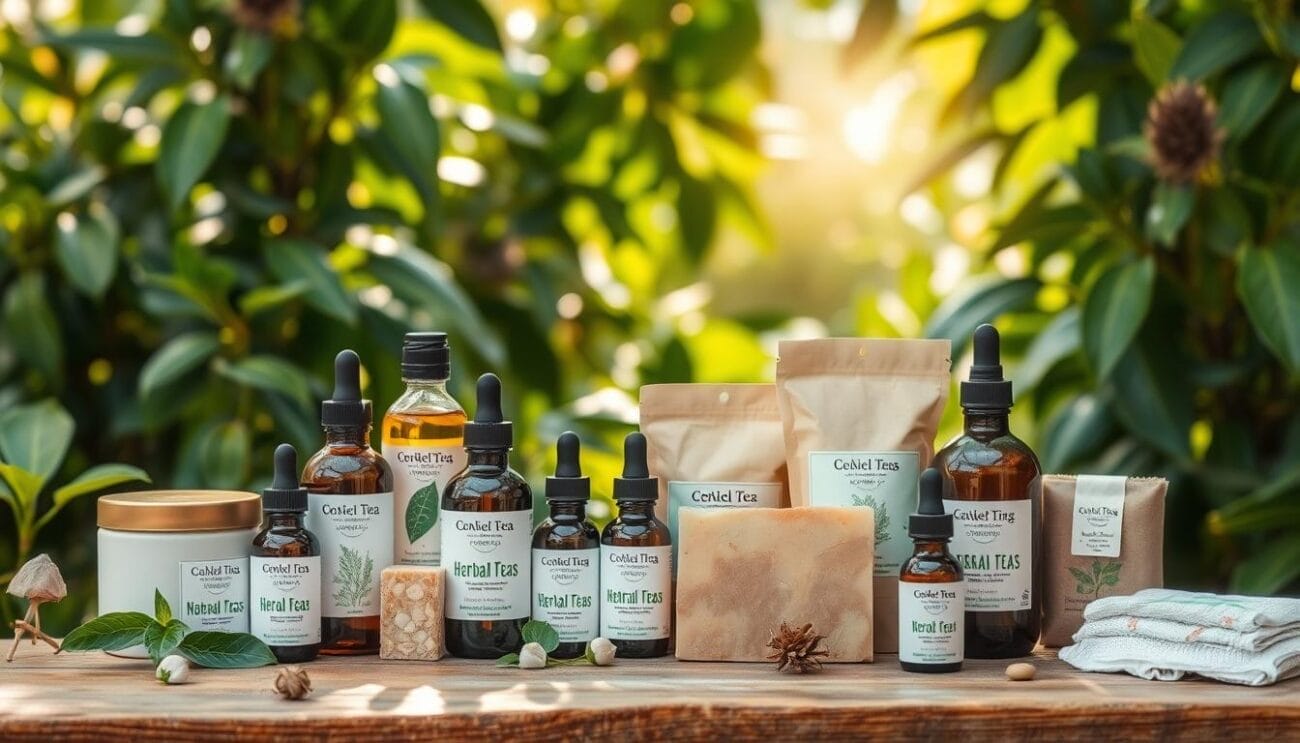
Lean on natural health products as supportive tools and explore Fit n Fab Shop’s natural health essentials via Fit n Fab Shop’s natural health to boost energy and recovery without losing training focus.
Key Takeaways
- Core services can fit modest budgets—expect $36–$90 per employee yearly.
- Optional investments (screenings, coaching) should be scoped to avoid cost surprises.
- Leadership support and a nimble committee drive everyday participation.
- A ten-minute health culture audit yields fast, actionable feedback.
- Natural health products can complement training and recovery sensibly.
Understand Search Intent and Set Your How-To Roadmap
Anchor your plan in search intent: discover what people seek, then translate that into a short, testable roadmap you can run this week. Start with quick market research: survey members, scan local offerings, and note trends like HIIT, mind-body and wearable-driven classes.
What you’ll achieve with this guide today
Practical outcomes: a clear checklist that balances organizational objectives and real employee needs. You’ll define measurable objectives—attendance, retention, and revenue—while keeping progression and variety central.
Aligning your goals with employee needs and organizational objectives
Use quick surveys and brief interviews to capture preferences. Run a simple SWOT to spot strengths, gaps, and opportunities. Map activities to the workday—lunch classes, mid-afternoon mobility, or brief online sessions for remote teams.
“Focus on small pilots: one change this month, one challenge next month, and one policy tweak to sustain gains.”
- Document 2–3 audience segments (beginners, intermediates).
- Translate insights into concrete objectives and early metrics.
- Plan a lightweight four-week review process to iterate the process.
Tip: Prioritize your wellness with Fit n Fab Shop’s selected essentials and explore Amazon top supplements to support energy and recovery while you test new offerings.
Start With Stakeholder Support and Roles
Secure visible leadership early to set the tone and normalize healthy habits across teams. Communicate clear goals and benefits to management and to employees so everyone knows what success looks like.
Gain leadership buy-in to boost engagement and culture
Invite executives to take part in kickoffs and share short commitments. A one-page executive brief with goals, budget, and metrics speeds decisions and keeps alignment.
Form a committee and designate a coordinator
Create a cross-functional group of 6–12 people representing HR, operations, and shifts. Meet quarterly and rotate members every 1–2 years to keep ideas fresh.
Give a coordinator protected time to run the program. If internal bandwidth is tight, consider a vendor to maintain continuity.
Appoint team leaders to motivate participation
Recruit captains close to participants. Focus on creativity and commitment over athleticism; give them simple scripts and micro-training to run short huddles and track quick feedback.
- Model norms: active breaks and supportive language to shift culture.
- Define roles clearly so communications, data tracking, and incentives each have an owner.
- Empower people near the activity to surface barriers early and remove them before launch.
“Visible support and local leaders turn policy into daily action.”
Explore practical tools like Fit n Fab Shop essentials to complement your rollout and keep momentum high.
Assess Needs: People, Culture, and Risks
Begin with a short on-site checklist to reveal environmental and policy gaps before you spend budget or time. This gives quick wins and a clear starting point for any wellness program.
Run a health culture audit
Use a Checklist to Change to score supports like healthy food, smoke-free property, and walking routes. A rapid audit uncovers friction that keeps employees from joining activities.
Use Health Risk Assessments (HRA)
Deploy web-based HRAs to deliver confidential feedback to individuals and aggregated reports to leadership. Offer incentives to lift completion rates; aggregate data helps with risk stratification and planning.
Segment by goals, readiness, and levels
Group people by goals and readiness so you can match offers—fundamentals, performance blocks, or mobility and recovery.
- Quick outputs: two environment fixes (add healthy options; open a safe walking route) and one targeted program cycle.
- Tools: wearables, class passes, and stretching areas to turn insight into action fast.
- Privacy: use aggregate data for planning and confidential channels for coaching.
“Turn assessment into action with simple fixes and a short, targeted cycle.”
Wellness Program Design for Fitness Enthusiasts
Start by mapping each person’s goal—strength, fat loss, or improved mobility—so every path has a clear beginning and next step. Personalization helps you match sessions to levels and keeps engagement high.
Create three primary tracks: strength, fat-loss, and mobility. Each track should include clear milestones and brief weekly check-ins so people see progress.
Variety and progression
Cycle blocks that mix strength, cardio, flexibility, and recovery. Use micro-load increases and scheduled deload weeks to avoid plateaus or overuse.
Offer example sessions like a 30‑minute strength superset plus a 10‑minute mobility finish. These templates make participation feasible on busy days.
Trend-aware formats
Integrate time-efficient HIIT for tight schedules and HILIT to reduce joint stress. Add mind-body classes—yoga or Pilates—to support stress and posture.
Include hybrid sessions (cycling plus light resistance) and functional circuits that build daily movement capacity and confidence.
- Personalized paths: let employees pick strength, loss, or mobility tracks with clear progressions.
- Block planning: alternate high-intensity, skills, and recovery weeks to sustain gains.
- Practical templates: short sessions and small-group formats encourage consistency.
Motivation, Incentives, and Engagement That Stick
Meet people in their day with brief, guided activities that fit between meetings. Right-time delivery removes common barriers by offering options onsite, online, and during natural breaks.
Right-time delivery
Offer micro-sessions at lunch, short mobility breaks, and on-demand videos so employees can join without reshuffling work. Web-based HRAs that give immediate feedback help people choose the best sessions.
Behavioral nudges
Simplify choice. Use clear sign-up steps, defaults, and brief benefit statements that make saying “yes” effortless. Auto reminders and QR check-ins cut admin friction.
Incentives mix
Prioritize benefits-based rewards. Premium discounts, paid time off, and HSA/HRA credits drive participation; many employers allocate $200–$800 per person yearly, with some offering up to about $600 in premium discounts.
Gamification and team challenges
Use point systems, streaks, and leaderboards that reward steady activity and safe progression. Team captains amplify culture and social accountability.
“Design incentives that match employee health outcomes and make rules clear and fair.”
- Deliver right-time access: onsite micro-sessions, on-demand content, and break-time mobility.
- Layer nudges: simple defaults, short benefit lines, and quick sign-ups.
- Mix incentives: cash, time off, recognition, and premium discounts tied to milestones.
- Use light tech: wearable sync, QR check-ins, and auto reminders to reduce admin load.
Build the Environment and Policy to Support Healthy Habits
Create clear workplace defaults that make better choices simple. You’ll set catering to be fruit- and protein-forward, add hydration stations, and maintain smoke-free grounds so healthier options are the default on campus.

Healthy food, smoke-free rules, and active breaks
Formalize short active breaks and supportive signage so walking and stretch breaks become normal. Update policy to allow on-the-clock micro-activity windows and clear reimbursement rules for approved classes.
Tools, access, and inclusive spaces
Provide access to wearables integration, class passes, and safe, well-lit spaces so employees act without barriers. Adopt inclusive areas—quiet rooms and adaptable spaces—so more people feel welcome.
- Run the “Checklist to Change” twice yearly to prioritize quick-impact upgrades.
- Coordinate facilities, safety, and HR so environment, training access, and policy align.
- Keep equipment standards and housekeeping high to make spaces inviting.
“The environment, not just messaging, makes the healthy choice the easy choice.”
Budgeting and Value: What Great Programs Cost Today
Start budgeting with clear outcomes: state the attendance, retention, and satisfaction targets you expect at each spend level. That makes it easier to justify costs and measure results.
Baseline range: expect $36–$90 per employee per year (about $3–$7.50 PEPM). This typically covers a mobile app/website with HRA, incentive management, online resources, culture campaigns, team challenges, and device integration.
High-impact add-ons: biometric screening runs about $40–$75 each. Health coaching (six sessions) is roughly $140–$165. Benefits-based incentives often range $200–$800 per employee per year; premium discounts like $50/month ($600/year) drive strong uptake.
- Estimate a clear baseline and confirm which features are included.
- Model add-ons to see how costs affect participation and outcomes.
- Build tiered options—good, better, best—so leadership can choose now and scale later.
- Track cost per engaged participant and reallocate to higher-ROI activities.
“Link investment levels to measurable performance and review quarterly to optimize spend.”
When you need examples and budgeting tips for smaller teams, see this guide to affordable programs for small companies.
Launch and Promote Your Program Like a Pro
Launch with a clear message that tells employees who will benefit, what outcomes to expect, and why this offer stands out locally. A tight USP makes every channel work harder and helps clients and staff decide quickly.
Craft a clear USP and multi-channel campaign
State who benefits, the main outcome, and one reason you’re different. Use email, intranet banners, posters, team huddles, and social posts so messages reach people at work and at home.
Leverage testimonials, early-bird offers, and local influencers
Share short before/after stories and 30–60 second clips on your site and social feeds. Offer early-bird incentives like priority class slots or a bonus coaching check-in to boost sign-ups in week one.
- Make joining simple: publish an example weekly schedule and a quick-start checklist to reduce friction.
- Drive social proof: invite internal champions and a trusted local trainer to amplify reach to clients nearby.
- Build groups: offer buddy discounts and team challenges to create a sense of community from day one.
- Follow a tight cadence: teaser, launch day, 72-hour reminder, and last-call messages with clear calls to action and time-bound prompts.
“Track engagement across channels and shift spend to the formats that drive the most registrations.”
Measure opens, clicks, sign-ups, and retention in the first 30 days and use that data to refine copy, timing, and incentives.
Measure What Matters and Optimize Continuously
Start with a lean scorecard that focuses on actions you can change this week. Pick five clear KPIs—attendance, retention, completion, revenue, and satisfaction—so everyone knows how success is measured.
KPIs to track
Track class attendance, new sign-ups tied to the initiative, completion rates, and revenue. Collect client satisfaction scores and short testimonials to capture impact.
Feedback loops and quick fixes
Use end-of-class QR surveys, quick polls, and social listening to find issues fast. Act on clear signals—shift a session time, change a format, or adjust incentive triggers—within a week.
Iterate with data-driven progression
Periodize offerings with planned deloads and progression blocks. Use wearables and attendance dashboards to set levels based on real completion and form quality, not guesswork.
- Connect incentives to measurable behaviors like check-ins and completion.
- Run simple A/B tests (times, formats) and scale winners.
- Publish a quarterly scorecard to leadership and employees to celebrate wins and explain changes.
“Focus on learning and results, not blame, so your team embraces experimentation.”
Natural Health Products to Power Your Holistic Plan
Thoughtful supplements help bridge gaps when training, travel, or heavy workloads threaten recovery. Use natural products as a supportive layer, not a substitute for solid habits like sleep, hydration, and balanced meals.
Smart supplementation: top Amazon picks for energy, recovery, and immune support
Energy and focus: caffeine paired with L-theanine reduces jitters and sharpens attention.
Recovery: whey or plant protein and magnesium support muscle repair and restful nights.
Immune support: vitamin D3 with zinc helps during peak stress or season changes.
Herbal remedies and self-care: stress relief, sleep quality, and mobility
Ashwagandha can aid stress management. Magnesium glycinate supports sleep. Topical rubs and mentholated balms help mobility and soreness before or after sessions.
Pair herbs with simple habits—blue-light limits, foam rolling, and Epsom soaks—to magnify benefits without adding time to your day.
Shop Fit n Fab Shop’s curated essentials to feel your best—inside and out
Prioritize quality and transparency. Choose third-party tested brands with clear labeling. Match products to goals: protein for recovery, electrolytes for hot sessions, and D3/zinc during heavy stress.
- Streamline routines with once-daily formulas and ready-to-mix powders.
- Personalize choices to individuals’ tolerance and consult a clinician when needed.
- Use targeted support during challenge blocks—magnesium for sleep, electrolytes during long sessions.
| Goal | Recommended Support | When to Use |
|---|---|---|
| Energy & Focus | Caffeine + L‑theanine | Pre-session or busy workday |
| Recovery | Whey/plant protein, magnesium | Post-session & evening |
| Immune Support | Vitamin D3, Zinc | Seasonal stress or travel |
| Stress & Sleep | Ashwagandha, magnesium glycinate | Nightly routine |
“Supplements support consistency; they do not replace training, nutrition, hydration, or sleep.”
Tip: Prioritize your wellness with Fit n Fab Shop’s carefully selected essentials and explore verified Amazon picks to keep energy, recovery, and immunity in balance. Always align choices with your medical needs.
Conclusion
Set a short runway: finalize budget, brief leadership, and invite your first cohort. ,
In short: you’ve built a clear path from assessment to launch—leadership support, a committee, environment and policy upgrades, and smart budgeting ($36–$90 per employee baseline). Keep room for high‑impact add‑ons and benefits-based incentives ($200–$800) to lift engagement and results.
Measure fast and iterate: use five KPIs, weekly feedback loops, and simple pilots so you optimize quickly. Reinforce culture with team challenges, captains, and recognition.
Prioritize your daily habits with curated products from Fit n Fab Shop and top Amazon picks. Learn more about effective approaches in this guide to effective wellness programs and shop now to round out your toolkit.
FAQ
What will you achieve with this guide today?
You’ll get a clear, actionable roadmap to create an employee-focused wellness initiative that supports strength, weight loss, mobility, and recovery. The guide helps you align goals, select activities, and pick tools so your teams move from intent to consistent results.
How do you align program goals with your company’s objectives and the needs of fitness-minded employees?
Start by mapping business priorities—productivity, retention, reduced healthcare costs—against participant goals like performance, body composition, and mobility. Use surveys and focus groups to find common needs, then set measurable outcomes that serve both people and the organization.
How do you secure leadership buy-in to boost participation and culture?
Present data on ROI and employee satisfaction, offer pilot results or case studies, and propose a phased budget. Show leaders how visible support—time allowances, executive participation, and recognition—drives higher engagement and sustained behavior change.
What roles should you create to run your offering smoothly?
Form a cross-functional committee with HR, facilities, and a health coordinator to manage operations. Appoint team captains or activity leads to encourage peers, and use external coaches for specialized sessions. Clear roles reduce friction and improve execution.
How do you assess needs across people, culture, and organizational risks?
Combine a culture audit with health risk assessments and usage data to spot policy gaps and barriers. Segment employees by readiness, goals, and fitness level to tailor offerings and identify cost-effective interventions for higher-risk groups.
How do you personalize training paths for different goals like strength, weight loss, or mobility?
Use intake forms and brief assessments to assign participants to targeted tracks—strength, cardio, mobility, or mixed formats. Provide scalable progressions, clear milestones, and coach feedback so each person follows a safe, effective path.
How do you keep programming fresh and on-trend without losing structure?
Blend proven blocks—strength, cardio, flexibility, recovery—with trend formats like HIIT, functional training, and mind-body sessions. Use periodization so intensity and variety progress logically toward measurable goals.
What engagement tactics actually stick long-term?
Deliver at the right times—breaks, lunchtime, and after-shift—and offer hybrid access (onsite + online). Use nudges, easy sign-ups, incentives (time-off, discounts, recognition), and gamified team challenges to build routine and social motivation.
Which incentives drive real behavior change?
A mix works best: meaningful time credits, small cash or gift incentives, health-plan discounts, and public recognition. Tailor rewards to your culture and make them achievable to sustain momentum without large budgets.
What environment and policy changes support lasting habits?
Introduce healthy food guidelines, active-break norms, and smoke-free zones. Provide tools like wearables integration, class passes, and dedicated safe spaces for movement. Policies that permit short activity breaks reinforce behavior across teams.
How much should you budget per employee and what’s included?
Baselines vary by scope, but plan for core offerings (classes, coaching, tech) and optional high-impact add-ons like biometric screening and health coaching. Present tiered budgets to stakeholders so you can scale based on results and demand.
How do you launch and promote the initiative to ensure strong uptake?
Craft a clear USP focused on benefits for employees and the company. Use multi-channel campaigns—email, intranet, posters, short videos—and leverage testimonials, early-bird perks, and local fitness influencers to drive sign-ups.
Which KPIs should you track to measure success?
Track attendance, retention, completion rates, satisfaction scores, and health outcomes where possible. Add business metrics like productivity and absenteeism to demonstrate organizational impact. Keep reporting simple and action-oriented.
How often should you gather feedback and iterate your offerings?
Collect quick pulse surveys monthly and deeper reviews quarterly. Use real-time data from sign-ups, class usage, and social channels to tweak schedules, content, and incentives so programs stay relevant and effective.
What natural health products are useful to include in a holistic plan?
Recommend reputable supplements for energy, recovery, and immune support—look for third-party testing and clear dosing. Include herbal remedies and self-care items that aid sleep, stress relief, and joint mobility, and offer evidence-based options via vetted vendors.
How do you ensure safety and legal compliance when offering health services?
Use certified professionals for assessments and training, secure participant consent, and align offerings with ADA and privacy rules. Partner with vendors who carry proper insurance and follow clinical guidelines to reduce liability.
How can you make participation easy for people at different fitness levels?
Provide scalable options, beginner-friendly classes, and clear modifications. Offer short, accessible sessions and on-demand resources so people can engage at their own pace and build confidence gradually.
How do you measure ROI and present results to executives?
Tie program KPIs to business outcomes—reduced sick days, improved retention, productivity metrics—and present before/after data with testimonials. Use cost-per-engaged-employee and projected healthcare savings to make the financial case.